
The Story
Why it exists.
The beginning
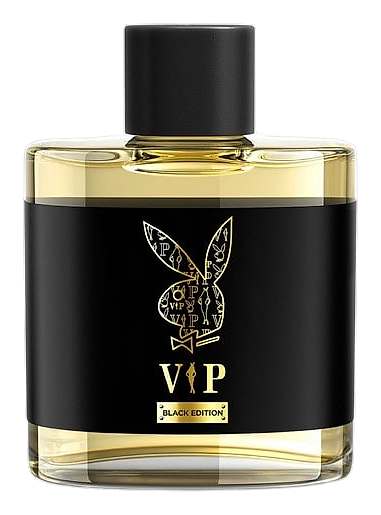
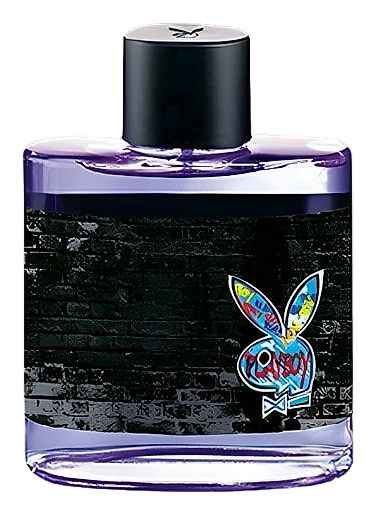
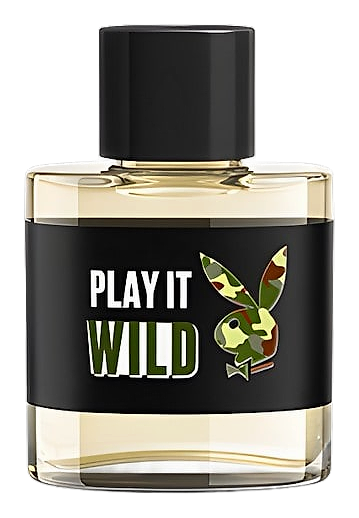
Juliette Karagueuzoglou composed Play It Wild for Him in 2015, released alongside a women's counterpart as part of what Playboy called a "passionate, dynamic and very seductive duo." The brief centered on arriving, of translating that electric moment when someone walks into a room and everything else gets quieter. The fragrance needed to do the same thing: announce, then settle close enough to make people lean in.
The heart is where this fragrance earns its name. Dark chocolate and blueberry aren't typical partners, add pineapple to the mix and you're in territory most perfumers avoid. But Play It Wild commits to the gourmand angle without tipping into dessert territory. Cinnamon and nutmeg provide enough warmth to ground the sweetness, while the leather and tonka base keeps everything from floating away entirely. It's playful. It's confident. It's not trying to be serious.
The evolution
The opening hits sharp. Grapefruit and lemon arrive clean, nutmeg adding a warmth that prevents it from reading as "morning." Within fifteen minutes the heart emerges, dark chocolate takes the lead, blueberry following close behind, pineapple providing occasional brightness like a flash of teeth in a smile. The base is leather-forward, tonka and amber creating a warmth that sits close to the skin. On most skin types, the full arc runs three to four hours. The drydown is intimate: someone standing beside you, not across the room.
Cultural impact
Play It Wild for Him arrived during a period when Playboy was repositioning itself beyond its traditional publishing roots into lifestyle branding. The 2015 launch reflected a broader trend of mass-market fragrances targeting younger male consumers who associated the Playboy name with aspirational masculinity. By partnering with IFF and positioning the scent in the Gourmand Oriental category, the fragrance aimed to bridge accessible pricing with premium-seeming ingredient choices like dark chocolate and leather. The dual-gender release strategy tapped into the companion-fragrance market model that dominated mass-market perfumery at the time.