The Story
Why it exists.
The beginning
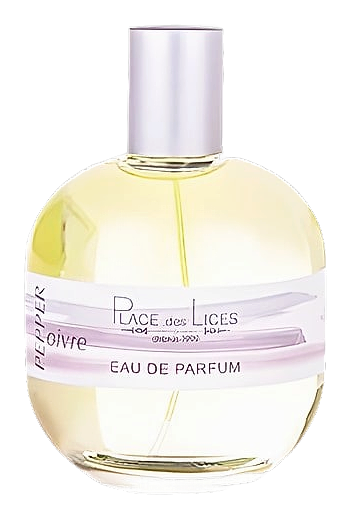
Pepper arrived in 2011 from Place des Lices, and the name says exactly what's inside, no poetry required. Marie Duchêne built a composition around a single concept executed without moderation: spice, layered until it became architecture rather than garnish. It's a fragrance that takes its subject seriously, the warmth of a working kitchen rather than a decorative one. Duchêne lets the pepper do the heavy lifting and trusts the supporting cast of sage, cumin, caraway, leather, patchouli, cedar, and white musk to shape the edges rather than compete with the lead. The result reads as confident and unhurried, the kind of composition that knows exactly how much heat it wants to carry and refuses to apologize for any of it.
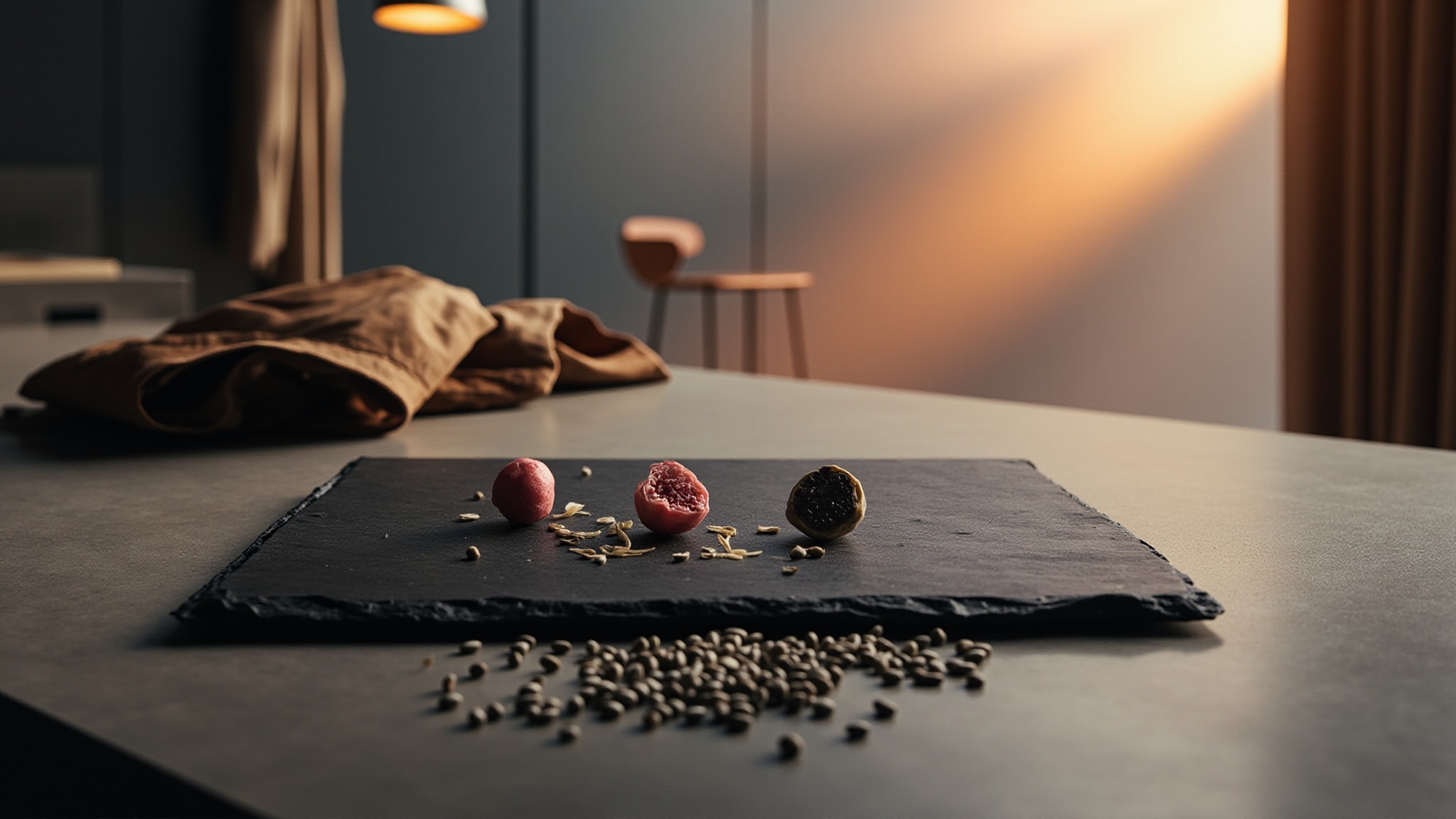
What makes this composition worth a second read is the triple-pepper structure. Pink pepper opens bright and almost fruity, a sharp opening act for the black and Madagascar varieties that follow. Duchêne layered all three, then grounded them in sage, an herb that does for spice what linen does for furniture. It cools the burn without killing it. Cumin and caraway add an earthy, almost savory register that pushes the whole thing toward leather territory before the base even arrives.
The evolution
The opening arrives loud, almost confrontational. Three pepper varieties hit the skin simultaneously, and the cumin underneath announces itself with a warm, dusty presence that anyone in the same room is likely to catch. Then sage does its quiet work, softening the heat into something more architectural, more deliberate. The leather note takes over and this is where Pepper stops being a spice fragrance and becomes something closer to a jacket draped over a chair. The patchouli and cedar arrive as the composition settles, lending a dry, woody depth that grounds the spices in something more permanent. The white musk closes the show with a clean, almost soapy lift that lingers on skin and leaves a surprisingly gentle trail for something that opened so sharp.
Cultural impact
Pepper arrived in 2011 as one of the more direct spice compositions in the brand's catalogue, and it wears like a confident answer to a simple question: what happens when you build a fragrance entirely around pepper and refuse to dilute the idea. It reads as the work of a perfumer who wanted to test how far a single ingredient family could be pushed before it collapsed under its own weight. The composition holds together because of its careful structure, and it stands as a useful reference point for anyone curious about what spice-forward perfumery can look like when it leans fully into its subject.
The House
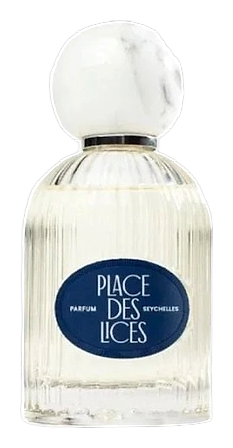
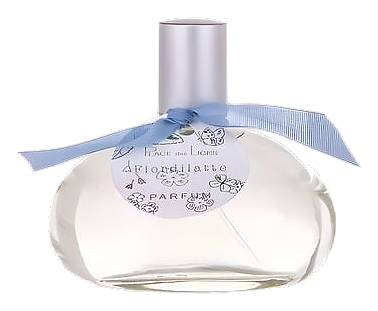
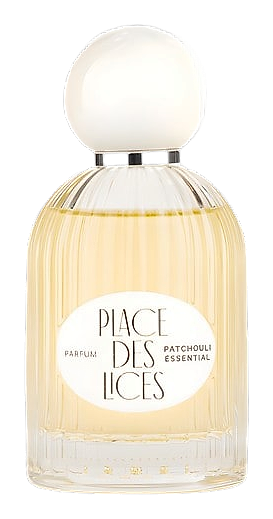
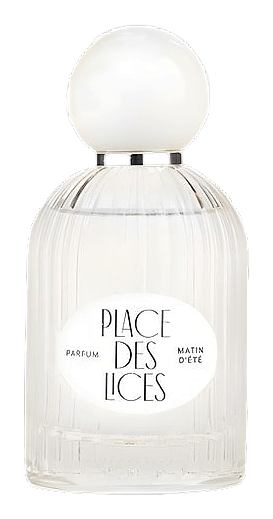
Place des LicesPlace des Lices creates fragrances that echo the light of the French Riviera. Based in Grasse, the historic perfume capital, the house draws on Provençal gardens, sun‑kissed beaches and the rhythm of coastal towns. Its catalogue includes scents launched between 1999 and 2023, such as Matin d’Ete, Vanille Crème and Passion Figuier. Each bottle offers a concise portrait of a place, a season or a memory, inviting wearers to carry a fragment of the Riviera on their skin.
The Creator
Marie DuchêneMarie’s style leans toward naturalism, favoring botanical absolutes, fine woods, and delicate florals. She often begins with a single heart‑note—lavender, rose, or jasmine—then builds a supporting structure of citrus top notes and soft musks.