The Story
Why it exists.
The beginning
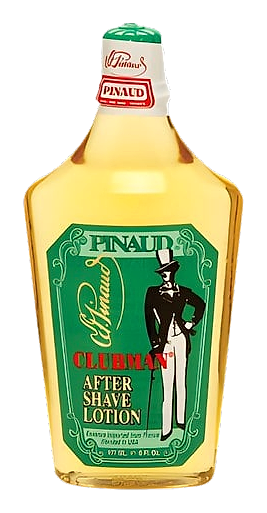
Clubman arrived as the scent for men who frequented private clubs, back when that phrase meant leather chairs and paneled walls rather than velvet ropes. Pinaud had been blending formulas for years, building a catalogue that included specialties like Eau de Quinine and Lilac Vegetal, but this was the one built for the gentleman, a clean, unpretentious composition meant to mark the close of a clean shave and the start of an evening. The formula drew on the fougère tradition, the backbone of masculine perfumery built on oakmoss, citrus, and aromatic herbs. What came out of that tradition was a fragrance that never tried to impress, and that's exactly what made it last. The restraint shows in every spritz: nothing shouts, nothing demands, nothing overwhelms.
The note structure tells you everything about why this fragrance never ages out. Oakmoss anchors the entire composition, a raw material that gives the scent its damp, forest-floor depth and the slightly bitter green character that runs through so many classic masculine scents. The citruses lift it so it never turns heavy, brightening the edges and keeping the whole thing from sinking into something mossy and stagnant. Meanwhile, the spicy and herbaceous elements add warmth without weight, threading lavender and a subtle spice accord underneath the green backbone.
The evolution
On skin, the first impression belongs to citrus and the brighter edges of the herbs, a brisk green opening that smells like the first minute after a hot towel comes off the face. Then the oakmoss arrives, damp and slightly bitter, settling into the skin like moss on old stone. The spices warm underneath, never spiking, more like residual warmth from a close shave than any declared cinnamon or clove. As the composition wears, the citrus recedes entirely while the moss and herbs merge into something quieter, drier, almost powdery. Through the later hours it becomes a skin scent, close and steady, more suggestion than statement, the kind of fragrance you catch in small, unexpected moments rather than a single bold announcement. On fabric the trail is faint and clean, reading as a quiet green soap that stays recognizably itself from morning into the next day.
Cultural impact
Clubman earned its reputation as an everyday barbershop staple, a bottle that found its way into medicine cabinets and grooming kits through sheer consistency rather than marketing push. For generations it has functioned as the accessible fougère, the one you reach for after a shave or keep on the sink as a daily refresher. It still sits alongside other recognizable names in the barbershop conversation, not because anyone is drawing direct comparisons, but because it shares that particular green-soap elegance that defined mid-century masculine fragrance.