




    Brand Profile

    Pinaud Clubman is a French fragrance house that traces its roots to the early nineteenth‑century perfume district of Paris. Founded by Édoua…More

    France·Est. 1830·Site

    2

    Fragrances

    4.3

    Rating

    19
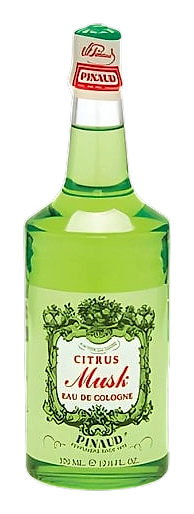
    Citrus Musk by Pinaud Clubman – Cologne
    Best Seller
    4.5

    Citrus Musk

    Cologne

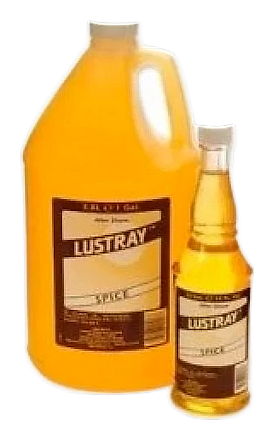
    Lustray Spice by Pinaud Clubman
    4.0

    Lustray Spice

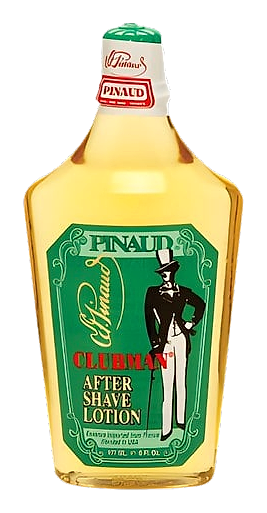
    Clubman by Pinaud Clubman
    Best Seller
    4.4

    Clubman

    Clubman Reserve Sweet Rum by Pinaud Clubman
    Best Seller
    4.4

    Clubman Reserve Sweet Rum

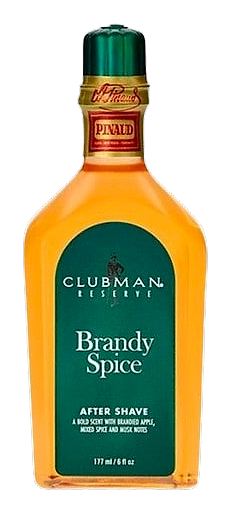
    Clubman Reserve Brandy Spice by Pinaud Clubman
    4.3

    Clubman Reserve Brandy Spice

    Virgin Island Bay Rum by Pinaud Clubman
    4.3

    Virgin Island Bay Rum

    Clubman Special Reserve by Pinaud Clubman
    4.3

    Clubman Special Reserve

    Lustray Blue Spice by Pinaud Clubman
    4.2

    Lustray Blue Spice

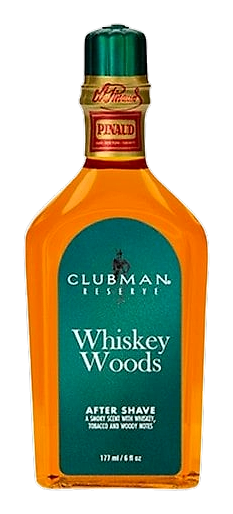
    Clubman Reserve Whiskey Woods by Pinaud Clubman
    4.2

    Clubman Reserve Whiskey Woods

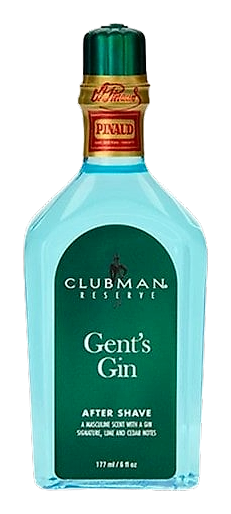
    Clubman Reserve Gent's Gin by Pinaud Clubman
    4.2

    Clubman Reserve Gent's Gin

    Clubman Musk by Pinaud Clubman
    4.1

    Clubman Musk

    Classic Vanilla by Pinaud Clubman
    4.0

    Classic Vanilla

    1 of 2

    The Heritage

    The Story of Pinaud Clubman

    Pinaud Clubman is a French fragrance house that traces its roots to the early nineteenth‑century perfume district of Paris. Founded by Édouard Pinaud, the brand built a reputation for classic, masculine scents that have been refreshed for modern wardrobes. The Clubman line, first released in the 1940s, remains the core of the portfolio, complemented by contemporary reinterpretations such as Sweet Rum and Brandy Spice. Today the house balances historic formulas with careful ingredient sourcing, offering a quiet confidence to those who appreciate a well‑crafted scent.

    Heritage

    Édouard Pinaud was born in Abbeville in 1810 and opened his first shop on boulevard de Strasbourg in Paris in 1830, at the age of twenty. The boutique quickly attracted aristocratic patrons, and contemporary accounts note that both Queen Victoria and Napoleon placed orders for his creations. In 1920 Pinaud established an American branch to serve the growing expatriate market, positioning the brand in New York and Chicago. A pivotal change occurred in 1935 when Roger Goldet acquired the French house and renamed it Parfums Pinaud, preserving the original formulas while expanding the product range. The signature Clubman fragrance debuted in 1941, marketed as an aftershave and cologne for gentlemen who frequented private clubs. During World War II, the formula survived rationing thanks to a small reserve of essential oils kept in the Paris atelier. Post‑war, the brand introduced a line of scented grooming products, including lotions and soaps, that reinforced its association with refined male grooming. The 1990s saw a revival of the Clubman name, with limited‑edition releases that referenced the original 1941 composition. In the 2010s the house launched a series of Reserve variants—Sweet Rum, Brandy Spice, Whiskey Woods, and Gent’s Gin—each built on the classic base but infused with contemporary notes. Throughout its history, Pinaud Clubman has remained a family‑run operation, with successive generations overseeing the balance between heritage and subtle innovation, ensuring that the original Parisian spirit endures in every bottle.

    Craftsmanship

    Production begins with a selection of raw materials that meet the house's strict purity criteria. Natural extracts such as Calabrian bergamot, Haitian rum, and Indian sandalwood are sourced from long‑standing farms that practice sustainable harvesting. These ingredients are macerated in high‑grade ethanol for periods ranging from several weeks to months, allowing the aromatic compounds to fully integrate. The blending stage takes place in the original Paris workshop, where a small team of perfumers follows handwritten formulas that date back to the 1940s, adjusting proportions only when a new Reserve variant is created. Quality control includes gas‑chromatography analysis to verify the concentration of key notes and sensory panels that assess balance and longevity. Bottles are filled by hand in a climate‑controlled environment to prevent evaporation or contamination. The final product is sealed with a waxed cork and wrapped in a paper sleeve that bears the historic Clubman monogram. Throughout the process, the house records each batch in a ledger, ensuring traceability from raw material to finished perfume. This meticulous attention to detail mirrors the standards set by Édouard Pinaud, who believed that a fragrance should retain its character over time and across markets.

    Design Language

    Visually, Pinaud Clubman embraces a restrained, vintage aesthetic that reflects its Parisian origins. The primary bottle shape is a tall, rectangular flacon with clean lines, finished in dark amber glass that protects the fragrance from light. A navy‑blue label bears the Clubman monogram in gold foil, a nod to the original 1940s branding. The typography is a classic serif, evoking the elegance of early twentieth‑century print. Limited‑edition Reserve releases feature subtle variations: the Sweet Rum edition adds a copper‑tinted cap, while the Brandy Spice version includes a deep burgundy label. Packaging materials are matte‑finished cardboard with a soft-touch feel, and each box includes a brief historical note about the scent's inspiration. The overall image conveys understated luxury without relying on ostentatious embellishments, aligning with the brand's philosophy of quiet confidence. In retail displays, the fragrances are often grouped with vintage grooming accessories—metal shaving brushes, leather toiletry bags—to reinforce the heritage narrative and invite customers into a tactile, nostalgic experience.

    Philosophy

    The house describes its creative outlook as a dialogue between tradition and the present moment. Rather than chasing trends, the perfumers at Pinaud Clubman study historic French formulas and reinterpret them with ingredients that meet modern safety and sustainability standards. The brand values consistency, transparency, and a respect for the craft that dates back to the founder’s apprenticeship in the early 1800s. Each scent is meant to evoke a specific setting—a gentlemen's club, a seaside promenade, a quiet study—allowing the wearer to experience a narrative rather than a fleeting impression. The company emphasizes responsible sourcing, favoring suppliers who can trace raw materials such as bergamot, sandalwood, and rum essence back to their origin. This approach reflects a belief that a fragrance should be both a sensory experience and a modest tribute to the people and places that contribute to its making. By keeping production volumes modest, the house aims to maintain a level of quality that larger, mass‑market operations cannot sustain, reinforcing a quiet confidence in the product rather than overt hype.

    Key Milestones

    1830

    Édouard Pinaud opens his first perfume shop on boulevard de Strasbourg in Paris.

    1920

    Pinaud establishes an American branch to serve the U.S. market.

    1935

    Roger Goldet acquires the French house and renames it Parfums Pinaud.

    1941

    Clubman fragrance is launched as an aftershave and cologne for gentlemen's clubs.

    1990

    Limited‑edition reissues of Clubman are released, sparking renewed collector interest.

    2015

    Clubman Reserve Sweet Rum is introduced, adding a rum‑infused twist to the classic base.

    At a Glance

    Brand profile snapshot

    Origin

    France

    Founded

    1830

    Heritage

    196

    Years active

    Collection

    2

    Fragrances released

    Avg Rating

    4.3

    Community sentiment

    pinaud.com

    Did You Know?

    Interesting Facts

    Distinctive details and defining moments that shape the house personality.

    01

    The original Clubman aftershave was marketed specifically to members of private gentlemen's clubs in Paris and London.

    02

    During World War II, the formula survived rationing because a small stock of essential oils was hidden in the basement of the Paris atelier.

    03

    Édouard Pinaud reportedly supplied fragrance samples to both Queen Victoria and Napoleon, a claim documented in contemporary newspaper advertisements.

    04

    The American branch of Pinaud operated independently for several decades, allowing the brand to develop distinct product lines for the U.S. market.

    05

    Clubman Reserve Sweet Rum uses a rum essence sourced from a family‑owned distillery in the Caribbean, a partnership that began in 2014.