The Story
Why it exists.
The beginning
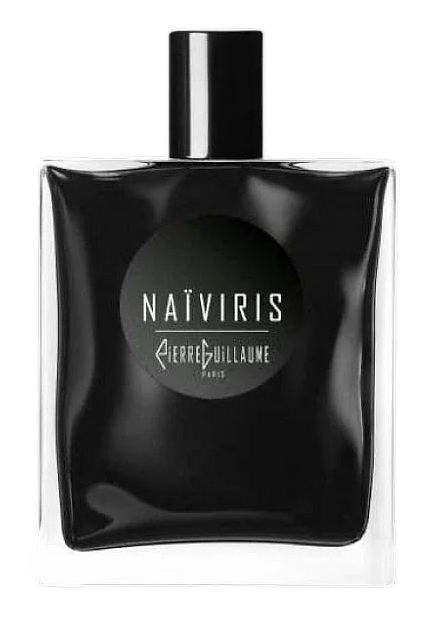
Naiviris arrived in 2010 as part of the Collection Noire line from Pierre Guillaume Paris. Each fragrance in the line is designed and manufactured in the brand's workshop in France, a place that has stayed deliberately small and self-contained. The scent sits within a catalog that tends to favor focused, concept-driven compositions over sprawling statements, and Naiviris is a clean example of that approach. Pierre Guillaume built the fragrance around a single idea: what happens when the delicate lift of red iris meets the structural warmth of zebrano wood.
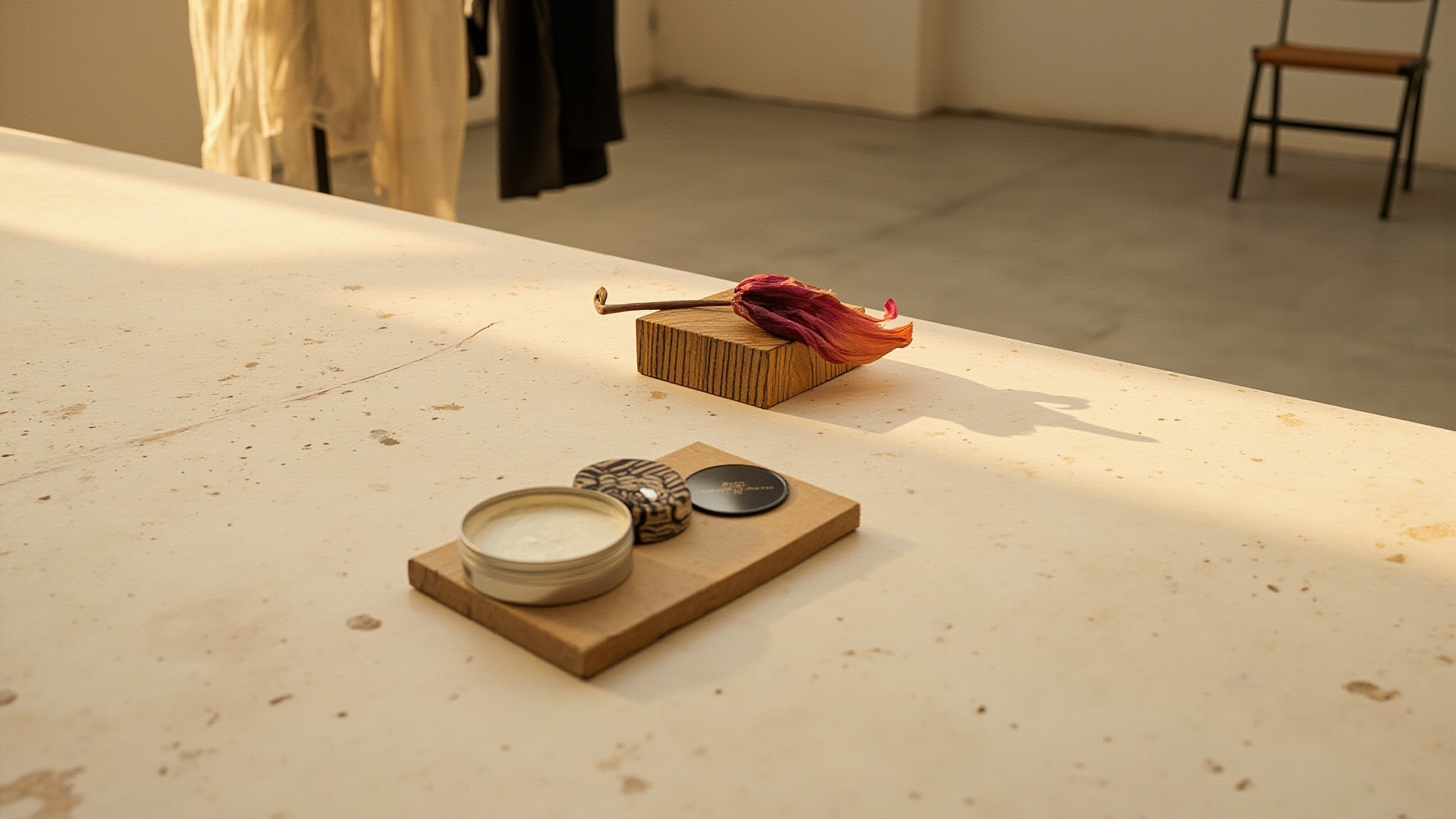
Red iris is an unusual choice for a leading note. It carries a slightly more floral character than the deeper, rootier iris materials that anchor most iris-forward compositions, with a powdery softness that sits closer to a cosmetic counter than to a field of flowers. Pairing it with zebrano wood is the structural gamble of the fragrance. Zebrano brings a dry, slightly sweet grain that reads as wood without leaning smoky or resinous, and that restraint is what keeps the whole composition from tipping into heaviness.
The evolution
The opening of Naiviris belongs to red iris, powdery and slightly cool, like the inside of a vintage compact or a dry rouge brush drawn across skin. The sweetness is restrained, more suede than sugar, and there is a clean dryness to the first impression that keeps the fragrance from feeling rich or indulgent. As the composition settles, the zebrano wood begins to register, not as a separate note that announces itself, but as a shift in weight, the whole thing settling from light to grounded. The iris softens further into a warm, skin-adjacent powder while the wood keeps the composition from dissolving into pure cosmetics. The drydown is where Naiviris earns its reputation for staying consistent rather than dramatic. The two materials blend into a single impression, warm, woody, slightly sweet, and quietly close to skin, and the blend holds its shape for hours.
Cultural impact
Naiviris holds a distinctive position within the broader iris fragrance family. Its powder-dominant profile places it alongside other iris compositions that lean toward cosmetic and tactile territory, and the way wearers tend to describe it, in terms of dry lipstick, compact powder, and sun-tan oil rather than classical perfumery vocabulary, signals that the fragrance reads more as a sensory object than as a traditional floral. It shares thematic ground with other iris works that emphasize powder over root, though its specific two-note construction sets it apart from more complex iris compositions in the wider market.