
The Story
Why it exists.
The beginning
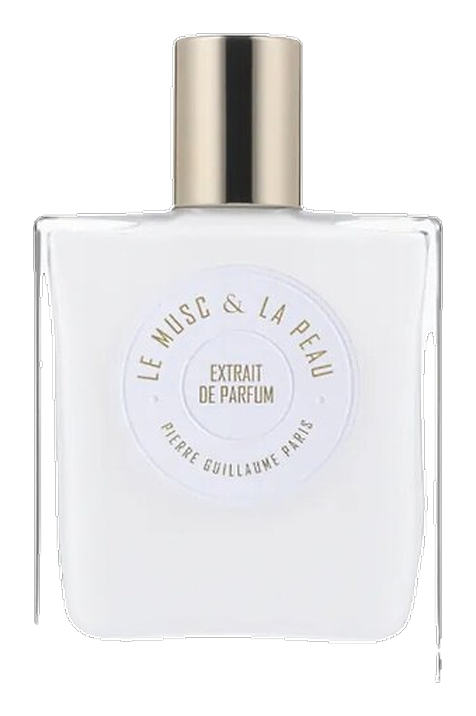
Pierre Guillaume's first Extrait de Parfum is a re-concentration of something the house developed with Le Musc & La Peau. The release belongs to the Hors-Série collection, a designation that signals something outside the standard catalog, a creative detour the house takes when the idea demands it. What began as a question about skin and scent has become, in Extrait form, the most direct expression of that question yet. The name says it all: Le Musc & La Peau, the musk and the skin. This is a fragrance built from the idea of what skin smells like, distilled into something you can wear.
The note structure is deceptively simple: milk and rosemary at the top, musk and ylang-ylang at the heart, sandalwood and cedar anchoring the base. But simplicity is the point here. A blend of seven different musks conjures human skin. The lactonic quality of the milk interacts with the herbal freshness of the rosemary, they don't just coexist, they amplify each other. The milk gives the rosemary something to hold onto, keeps it from being too sharp. Meanwhile, the musks and ylang-ylang establish a warm foundation that bridges the fresh opening to the woody base.
The evolution
The first hour belongs to the milk and the rosemary together. Herbaceous and creamy at once, an unexpected combination that works because neither note dominates. The rosemary keeps the milk from going flat; the milk keeps the rosemary from going sharp. By the second hour, the musk takes over and takes its time letting go. That's the heart of this fragrance, the part that defines it. Cedar and sandalwood arrive as quiet undertakers, lingering after the musk fades. The drydown is where the real commitment shows, a quiet persistence that stays with you.
Cultural impact
Le Musc & La Peau Extrait arrives as a first for the house, a re-concentration of an existing idea taken in a new direction. The name is direct: The Musk and The Skin. The Hors-Série designation signals something outside the standard catalog, a creative indulgence from a house that keeps its formats portable and its work poetic. There's something quietly confident about this approach. Rather than chasing industry trends toward re-concentration, Pierre Guillaume follows the idea where it needs to go, trusting that the most intimate expressions find their audience naturally.