
The Story
Why it exists.
The beginning
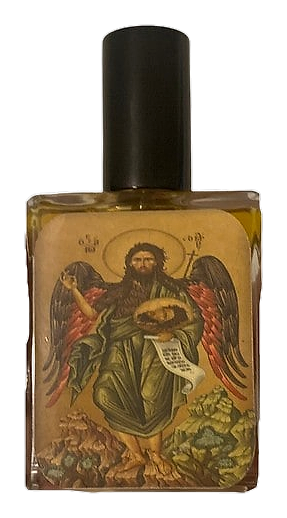
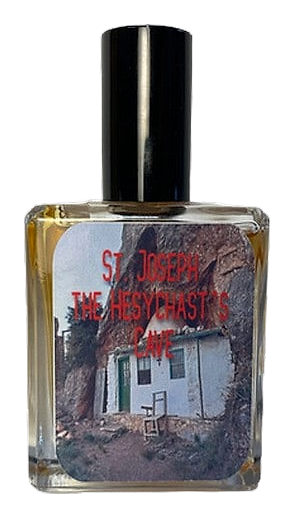
St. Joseph the Hesychast's Cave describes a physical space defined by stillness, privation, and the particular quiet that accumulates when one human being attempts to be alone with the divine. Weston Adam built the scent around that atmosphere, not the legend, but the smell of it. The fragrance opens with the sweetness of dried provisions kept for winter, dates and fruits that suggest abundance in scarcity. There is warmth here, the kind that comes from limited resources made precious. As the scent develops, it moves toward resinous depths, sweet resins and animal notes that create intimacy within the stillness. The Phronema house approaches each fragrance as a short text, a narrative made aromatic.
The note structure leads with sweetness before arriving at smoke. Dates and dried fruits come first, the provisions a hermit would keep. Then jasmine and orange blossom, white florals that suggest something living in the space alongside the absent occupant. Only when the heart arrives does the incense proper emerge: frankincense and myrrh in equal measure, the resins of Orthodox tradition. The base is where St. Joseph the Hesychast's Cave becomes itself. Cedar, sandalwood, and oud form a wooden framework, the cave as architecture. But civet and deer musk pull it toward the body.
The evolution
The opening hits with surprising sweetness, dates and dried fruits arriving before anything else, almost gourmand-adjacent, though the cinnamon underneath keeps it from being soft. Jasmine and orange blossom push through, their white floral warmth complicating the fruit. Frankincense begins its entrance, resinous and slightly medicinal, while the florals recede into the background. The heart develops as myrrh deepens the incense quality, rose adds a faint, dark sweetness that prevents the whole thing from becoming austere. Then the base takes over. Cedar and sandalwood arrive first, grounding everything in warm wood. Vietnamese oud lingers underneath, animal without being aggressive. The civet and deer musk emerge, wrapping around the vanilla and tonka bean sweetness in something that reads as skin-warm, intimate, present.
Cultural impact
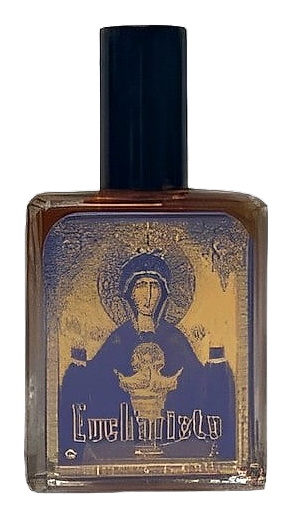
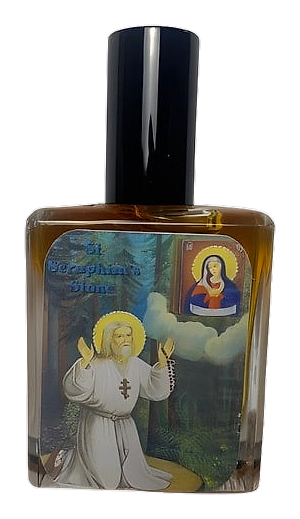
In the niche fragrance landscape, Phronema draws on religious and cultural figures, St. Joseph the Hesychast, St. Moses the Ethiopian, various Orthodox saints, as naming conventions and conceptual anchors. This fragrance joins a collection that includes Natural History and Eucharisto, each released as a self-contained narrative. The house occupies a register that is literary and unhurried, appealing to wearers who seek meaning in story.