The Story
Why it exists.
The beginning
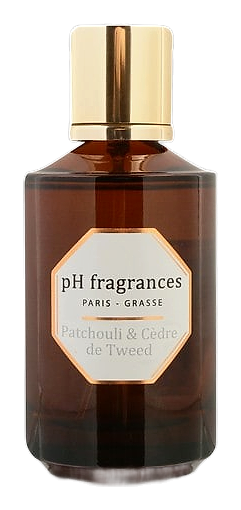
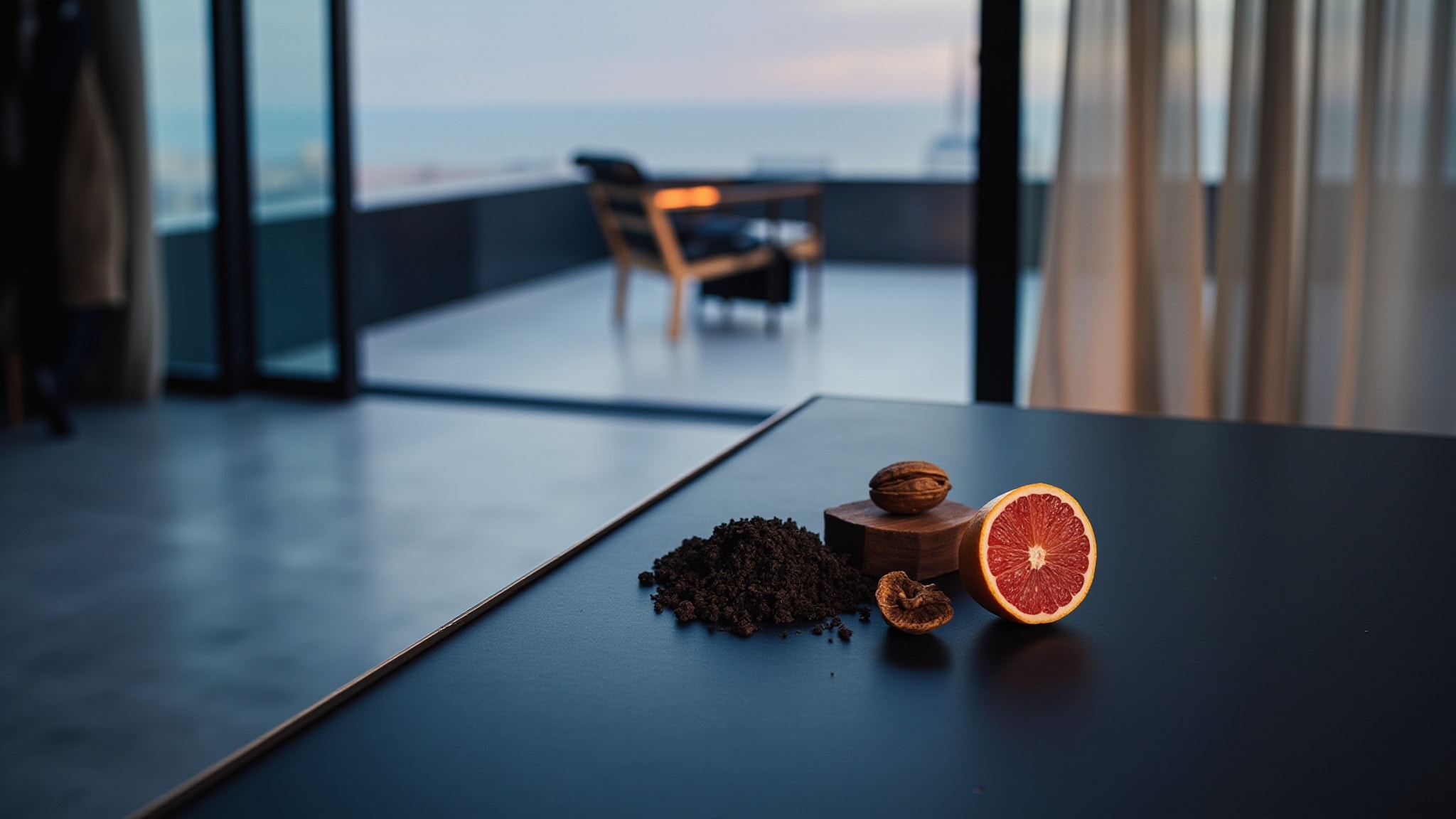
Patchouli & Cèdre de Tweed was created by Quentin Bisch for pH Fragrances in 2018. Its composition pairs the depth of Indonesian patchouli with the dry character of Atlas cedar, while grapefruit introduces a bright opening and cashmeran adds a smooth woody texture. Musk softens the stronger materials without taking over. Together, the notes create a fragrance that feels earthy, woody, and gently textured, with a clear movement from citrus brightness to deeper resinous and mineral-like warmth. Patchouli gives the composition its dark center, cedar brings definition, and grapefruit keeps the opening vivid. Cashmeran contributes a supple layer between the sharper citrus and the richer woods, while musk leaves the overall impression balanced and polished.
The unusual strength of this composition comes from the way grapefruit and Indonesian patchouli sit together from the first moment. Citrus gives the opening lift, while patchouli pulls it toward earth and resin. Atlas cedar and cashmeran then add a woody middle that feels both smooth and textured, like brushed fabric beside rough bark. Musk leaves a soft trail underneath, but it doesn't erase the stronger materials. As the bright grapefruit impression recedes, cedar and cashmeran give the fragrance a drier, more tactile character.
The evolution
It starts with a clear lift: grapefruit flashes against the dark grain of Indonesian patchouli, giving the opening a bitter, sparkling edge. That brightness soon gives way to Atlas cedar and cashmeran, which bring a drier, more tactile kind of warmth. The woods don't behave like a simple background. They take over, sharpen, and keep the composition moving. Musk softens the edges without making it fluffy, while patchouli returns in the drydown as an earthy and faintly smoky presence. The fragrance develops through several distinct impressions: bright citrus, dark patchouli, dry cedar, smooth cashmeran, and a clean musks effect. As the sharper opening fades, the woody and earthy notes become more apparent, leaving the composition rich, textured, and gently warmed rather than overly sweet.
Cultural impact
Patchouli & Cèdre de Tweed is a fragrance built around a meeting of vivid grapefruit, earthy Indonesian patchouli, dry Atlas cedar, smooth cashmeran, and soft musk. Its appeal comes from the way these materials shift across the composition: citrus brings a clean brightness, patchouli adds dark earth and resin, cedar contributes structure, and cashmeran introduces a supple woody texture. The result is neither sharply sweet nor entirely austere, but a layered scent that moves between freshness, dryness, warmth, and depth.
The House
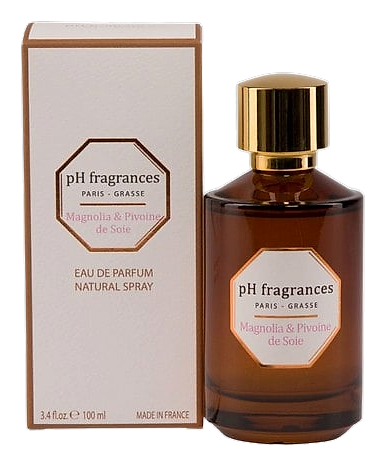
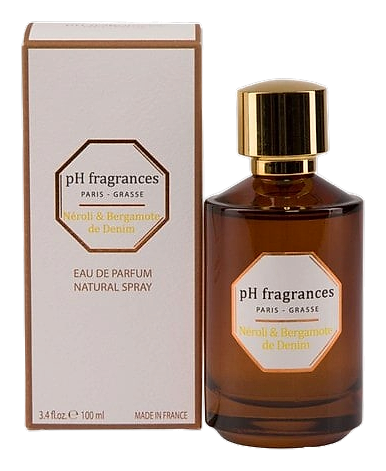
pH FragrancespH Fragrances is a contemporary French fragrance house that reframes how we think about scent by drawing a direct line between fabric and fragrance. Founded by Camille Le Feuvre, the house debuted in 2018 with a collection that pairs specific textiles with complementary olfactory profiles. Each fragrance carries a fabric-inspired name, translating the tactile character of materials such as cashmere, leather, and silk into scent. The house sources ingredients through Givaudan's Orpur programme, a selection of raw materials subject to the Swiss fragrance company's quality and traceability standards. According to fragrance publication ÇaFleureBon, all pH fragrances are biodegradable and composed of 84 to 93 percent natural ingredients, a formulation profile that places natural content at the centre of the brand's identity.
The Creator
Quentin BischBisch's style often leans toward the opulent and intense. Many of his creations feature a generous use of musks and woody ambers, creating a warm and enveloping effect.