The Story
Why it exists.
The beginning
Naming a fragrance after a wind is naming a force of nature. The Mistral conjures images of sharp, cleansing clarity, a wind that sweeps through and leaves the air feeling renewed. Vichy, by contrast, speaks to gardens, thermal waters, the slow warmth of a place where things grow and flourish. The tension between these two ideas, the sharp clarity of one and the blooming warmth of the other, is where this composition lives. Perfumer Nisrine Bouazzaoui Grillié created a fragrance that opens like cold sea air and settles into something earthier, grounded by oakmoss and amber. It's a conversation between two temperatures, played out on skin.
What makes this work is the structural honesty of it. The top doesn't pretend to be anything other than coastal clarity, marine notes, Italian citron, lemon. Clean and direct. But then the heart introduces French clary sage, and suddenly there's an herbal dimension that pushes back against the salt. Coriander adds a quiet spice. Lily of the valley keeps things from getting too serious. The drydown with oakmoss and styrax is where the fragrance earns its keep, it doesn't drift into sweetness just because that's expected. It stays mossy, resinous, and grounded. That's the Vichy in the name showing up, even as the Mistral tries to keep things cool.
The evolution
The opening hits immediately, citron and lemon cutting through marine salt. This phase is bright, almost sharp, the kind of clarity that makes you inhale twice. The citrus dominates the initial hours, but it's not solitary. The marine accord threads through, adding a damp salt quality that keeps the lemon from becoming furniture polish. Then the hand-off begins. Clary sage arrives quietly, bringing an herbal bitterness that softens everything. Coriander follows, adding a spice that reads more aromatic than warm. Lily of the valley surfaces as a whisper, not a statement, more a reminder that flowers exist in this landscape. The drydown belongs to oakmoss. It builds slowly, taking its time, and when it arrives it's mossy and green in a way that feels more forest than beach. Styrax adds resin without sweetness. Amber keeps it warm underneath.
Cultural impact
Mistral & Flower of Vichy occupies a distinctive space in perfumery, offering a fresh take on the aquatic genre. The fragrance builds its marine quality through careful use of oakmoss, styrax, and clary sage, creating a drydown that feels substantial rather than fleeting. The overall effect is one of quiet confidence, a scent that invites rather than shouts. It presents a nuanced dialogue between cool, wind-like freshness and warm, garden-inspired depth, balancing these elements across its development.
The House
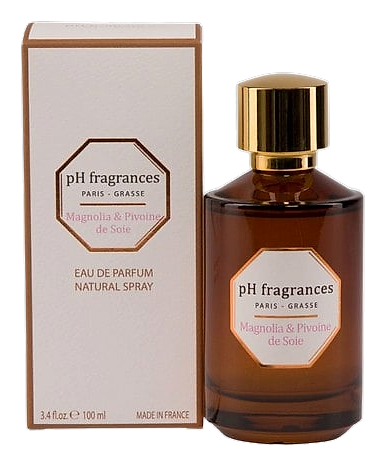
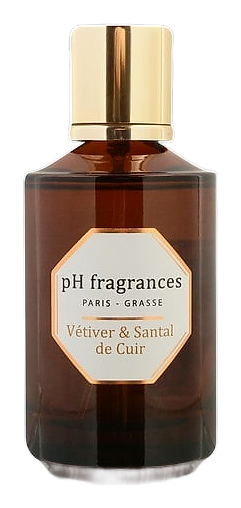
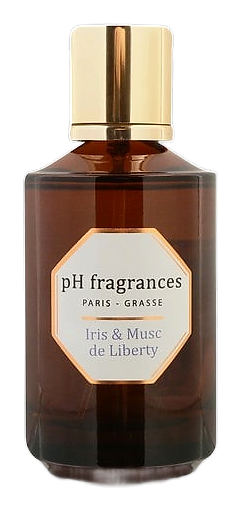
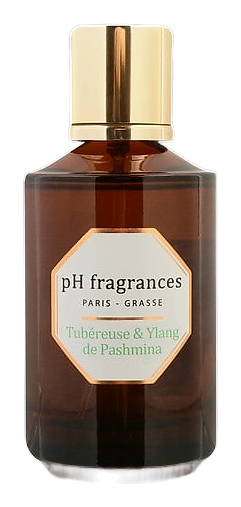
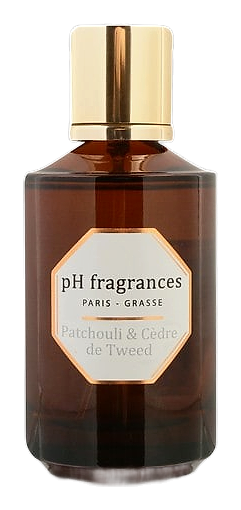
pH FragrancespH Fragrances is a contemporary French fragrance house that reframes how we think about scent by drawing a direct line between fabric and fragrance. Founded by Camille Le Feuvre, the house debuted in 2018 with a collection that pairs specific textiles with complementary olfactory profiles. Each fragrance carries a fabric-inspired name, translating the tactile character of materials such as cashmere, leather, and silk into scent. The house sources ingredients through Givaudan's Orpur programme, a selection of raw materials subject to the Swiss fragrance company's quality and traceability standards. According to fragrance publication ÇaFleureBon, all pH fragrances are biodegradable and composed of 84 to 93 percent natural ingredients, a formulation profile that places natural content at the centre of the brand's identity.
The Creator
Nisrine Bouazzaoui GrilliéClean structure defines Nisrine's compositions. She favors accords that remain legible within the whole, so each layer contributes without disappearing into noise.