The Story
Why it exists.
The beginning
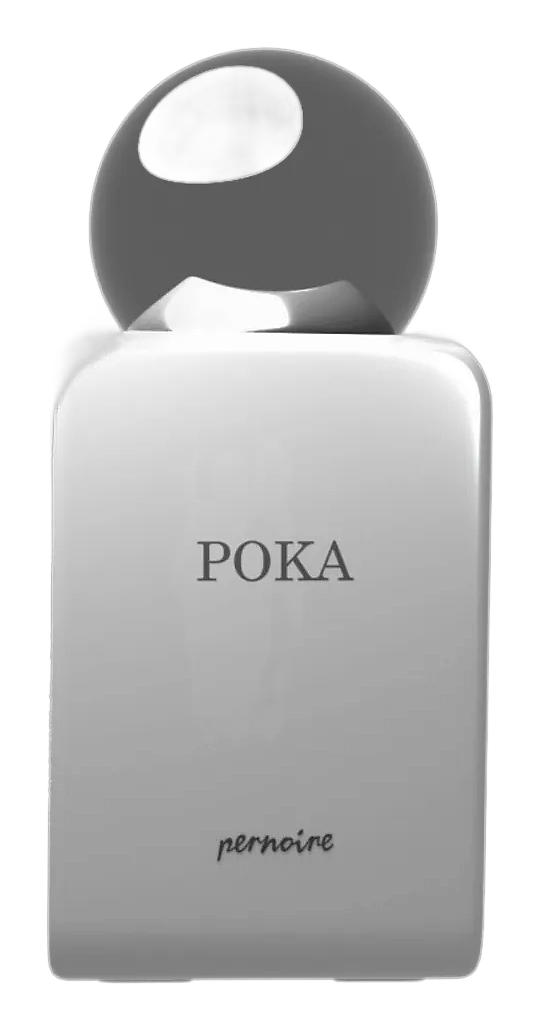
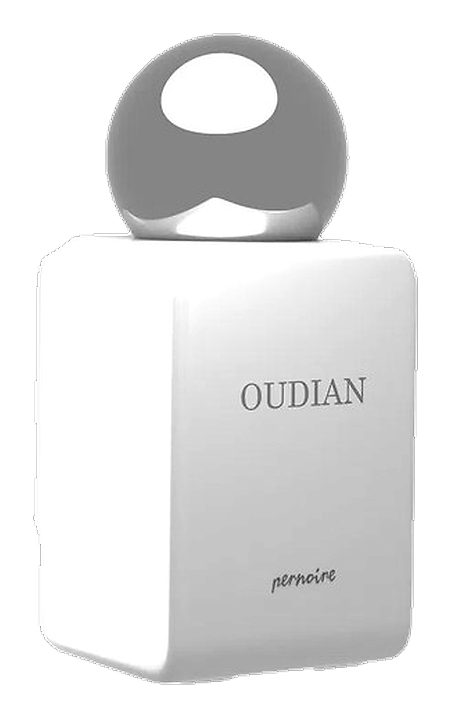
The name arrives from the phoenix myth, carrying the weight of that creature's return. After defeat, the phoenix rises as something more powerful. Something that knows exactly what it's worth. Andreas Wilhelm built the fragrance to that same tension: a slow burn that arrives bold, refuses to soften, and earns every hour it lingers on skin. The top notes hit first with an unexpected brightness, rum's warm embrace wrapped around the crisp tartness of quince, creating a fruity spark that catches attention without begging for it. Then the composition deepens, the sweetness thickening into something richer and more insistent as praline takes hold, its caramelized nuttiness weaving through the cardamom's spiced green notes.
What separates this from the crowd of sweet Gourmand fragrances is the cardamom-tobacco pairing that anchors the heart. Cardamom carries warmth that reads almost savory, it doesn't sweeten, it depthens. Paired with tobacco leaf, it gives the praline and tonka bean something to lean against instead of collapse into. Meanwhile, osmanthus in the base brings a strange, apricot-like floral that most people don't see coming until it's already wrapped around their wrist. The result is sweet without being saccharine, a careful tightrope that Wilhelm walks with control.
The evolution
The opening announces itself with rum's warmth and quinces brightness, a brief moment of juicy fruit that doesn't overstay. As the fragrance develops, the praline arrives and thickens everything into something warmer, more insistent. Cardamom pushes through as the sweetness firms up, and the tobacco begins its slow take, holding steady without ever becoming overwhelming. This is where the fragrance earns its reputation: the tonka and vanilla have taken over but the tobacco hasn't surrendered, they exist in parallel, neither dominating. As the hours pass, the osmanthus surfaces as a quiet floral note against the deepening vanilla, adding a soft floral dimension that keeps the composition from becoming too heavy. The cedarwood arrives as the sweetness softens into something close, intimate, wrapping everything in a woody warmth that lingers on fabric long after application.
Cultural impact
Gourmand fragrances have evolved significantly, moving into territory that embraces complexity and narrative alongside their foundational sweetness. The food-like simplicity that defined the genre has given way to compositions that tell stories through layered accords and unexpected combinations. Pernoire's approach reflects a broader shift among independent houses, where precision and craftsmanship serve as the primary differentiators from mass-market releases.
The House
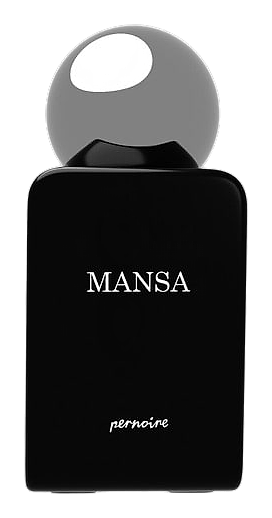
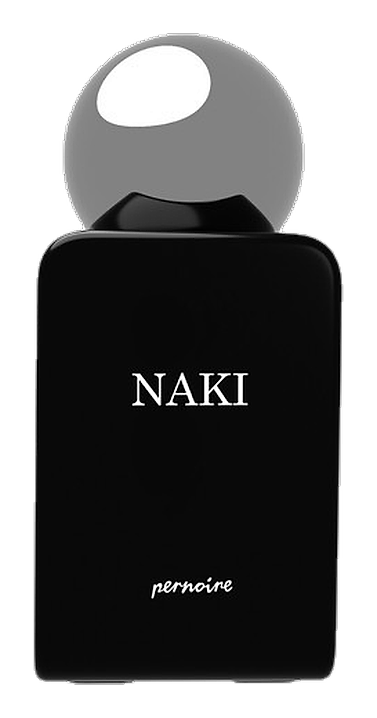
PernoirePernoire is a Swiss niche perfume house founded in 2020 by childhood friends Robin Dünner and Nico Mannino. Based in Basel, the brand specializes in scents designed to reflect and amplify individual personality, positioning each fragrance as an extension of the wearer's character rather than a generic statement. The house operates independently, developing and producing all compositions within Switzerland using local craftsmanship. Pernoire describes its creations as perfumes with personality, a philosophy embedded in both the brand's name and its approach to fragrance design. The collection includes releases spanning multiple years, with recent entries like Anelo (2025) and Yuma (2026) continuing to expand their catalog of distinctively characterized scents. Their offerings include limited editions and a range of compositions targeting different mood and character profiles, from their earlier releases like Vitias (2021) and Mansa (2022) through more recent creations.
The Creator
Andreas WilhelmWilhelm demonstrates fearless willingness to explore unconventional notes and combinations—petroleum accords with oud, raw gourmand materials, green themes that even his wife finds challenging. His portfolio spans extreme diversity: the masculine boldness of patchouli-spice in…