The Story
Why it exists.
The beginning
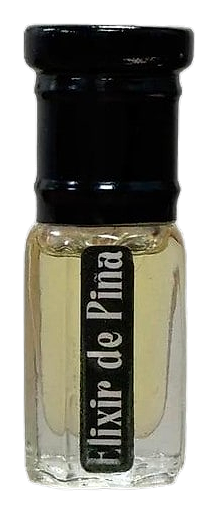
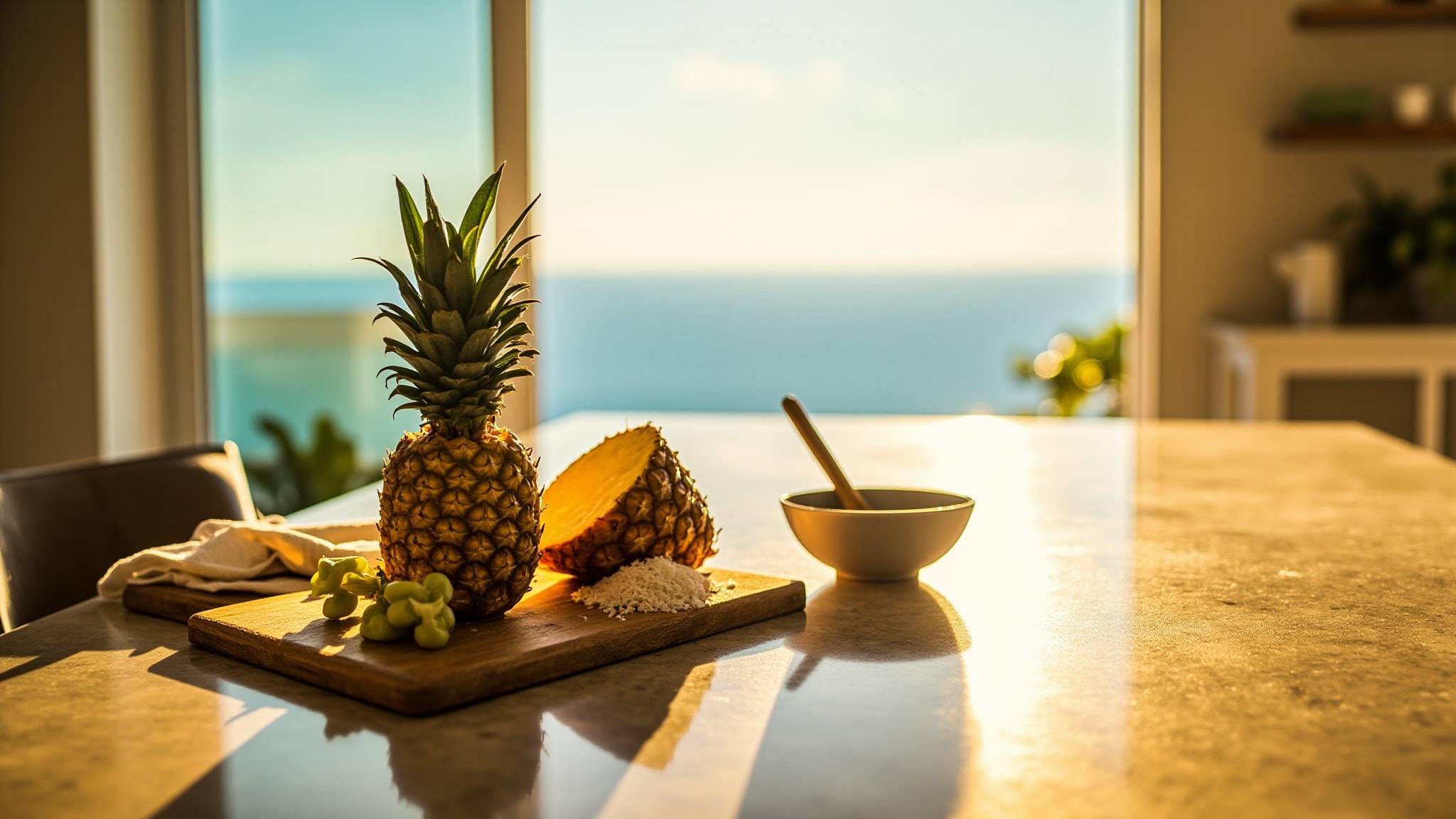
Elixir De Piña is a love letter to summer written from the other side of the world. Perito Moreno released it as part of a growing catalogue that approaches scent with a certain lightness of touch. The composition takes the piña colada, that most caricatured of tropical drinks, and asks it to behave like something more atmospheric. Less umbrella-deck. More the residue of one. The whole thing reads as an exercise in editing: what do you keep of a cocktail when you strip away the straw, the pineapple wedge, the blaring intent to entertain? What survives is a kind of warm-weather haze, a suggestion of sunscreen and sea air rather than a statement about either. There's a postcard quality to it, the way a single snapshot from somewhere hot can carry more weather than a full postcard ever does.
What makes the structure interesting is restraint. Most pineapple-coconut fragrances play carnival: loud fruit on top, louder sugar underneath. This one sidesteps that trap almost deliberately. Coconut milk opens creamy rather than sweet, and that single decision rewires everything that follows. The pineapple arrives as juice rather than candy, with a tartness that keeps the cream honest. Then white rum and Tahitian vanilla take over, reading as warm resin more than as dessert. The base of musk and sun-warmed sandalwood grounds all of it without ever turning heavy or syrupy.
The evolution
The opening is the cleanest part. Pineapple and coconut milk arrive together in a lush, almost translucent sweetness, the way a fresh fruit salad tastes on the second bite. The pineapple reads bright and just-cut, with a green edge that keeps it from collapsing into syrup, while the coconut milk sits underneath like soft light, more texture than flavor. As the first phase softens, the pineapple starts sliding toward the rum: that sweet, faintly solvent warmth that rum-based drinks leave on the inside of a glass, the memory of a cocktail rather than the cocktail itself. The Tahitian vanilla doesn't bloom so much as settle into the spaces the rum opens up, adding a brown-sugar softness, a faint flicker of smoke, a resinous edge that keeps the sweetness in line.
Cultural impact
The fragrance sits comfortably in conversation with a small but recognizable category of tropical-leaning compositions that treat their ingredients with more seriousness than the genre typically receives. Its rum note lands with particular weight, occupying a place alongside fragrances that allow warm-weather materials to behave like evening wear rather than beach gear. For wearers, it reads as a warm-weather option that doesn't peak at the sunscreen counter, more late afternoon than midday, more shaded terrace than pool lounge.