The Story
Why it exists.
The beginning
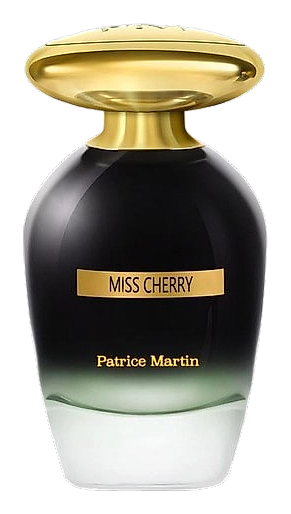
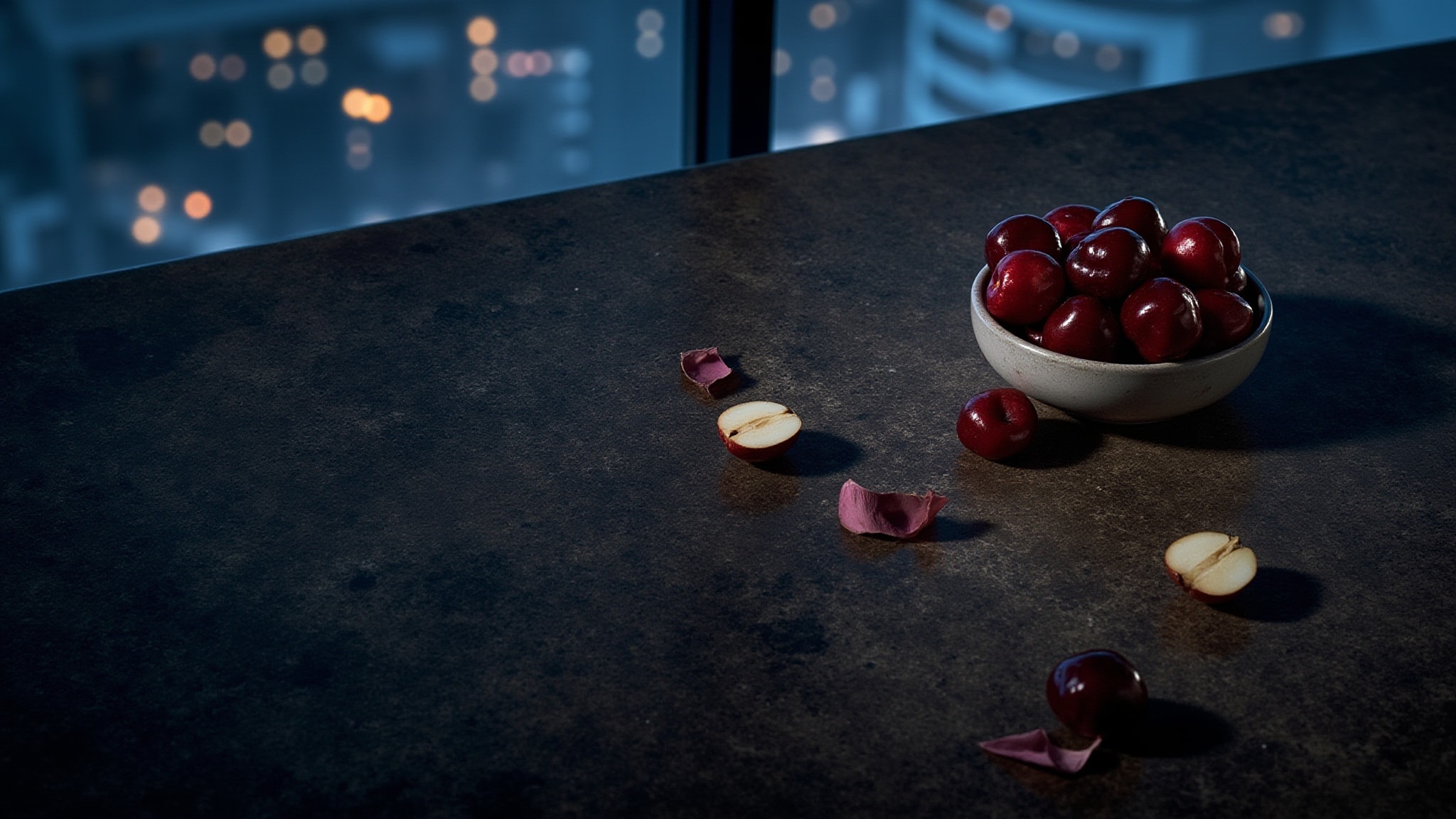
The name says Miss Cherry. The scent says something else. Where cherry fragrances typically lean into their innocence, this one treats it as a starting point rather than a destination. Patrice Martin built the composition around a tension between confectionery sweetness and something darker, bitter almond threading through the opening, plum and liquor lifting the whole thing into evening territory. The cherry doesn't pretend it isn't sweet. It just refuses to stay that way.
The cherry note appears twice, top and base, giving the fragrance a circular quality. Bitter almond performs the same trick, present in both the opening and the heart. This repetition isn't accidental. It creates a continuous thread of that sharp-sweet contrast, keeping the composition from settling into a simple sweetness. Peru balsam adds a dark, sticky sweetness to the heart that balances the rose and jasmine, preventing the florals from going powdery. Vanilla in the base doesn't arrive as rescue or correction, it arrives as confirmation that this fragrance knows what it is.
The evolution
The opening hits fast: cherry sweetness and bitter almond's sharp edge collide immediately, followed by plum's wine-dark fruit and a boozy warmth from the liquor note. The alcohol lifts the whole thing upward for the first few minutes before fading. By the time you reach the heart, the florals arrive, Damask rose and jasmine, but they're not delicate. Peru balsam's balsamic richness anchors them, giving the middle phase a warmth that feels almost resinous. The drydown is where it earns its keep. Vanilla, sandalwood, cedar, and patchouli create a warm, close finish. Cherry whispers from the base, not shouting anymore but present, a memory of the opening, now settled and intimate. On most skin types, expect a 4-6 hour arc that stays close rather than filling the room.
Cultural impact
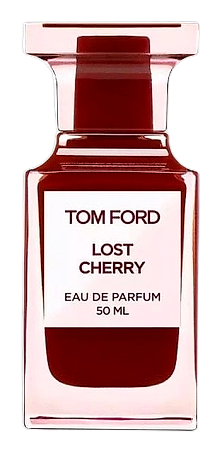
Miss Cherry arrived at a moment when Russian indie perfumery was gaining international recognition, riding a wave of post-2014 creative energy that saw Eastern European fragrance houses emerge as serious contenders in a market long dominated by French and Italian houses. The broader cherry fragrance trend, which surged after Tom Ford Lost Cherry in 2018, had already primed consumers for more complex interpretations of the note. Miss Cherry distinguished itself by refusing to be a simple sweet cherry scent, instead leaning into the bitter almond tension that gives it an edge. The inclusion of liquor and plum positioned it as a night-out fragrance rather than a daytime office scent, tapping into the growing demand for perfumes that function as social signals.