The Story
Why it exists.
The beginning
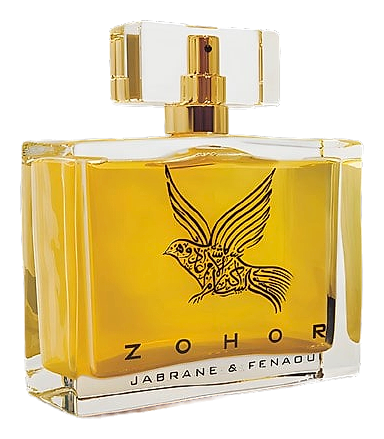
Zohor emerged from the brand's vision to bottle the sensory memory of Moroccan evenings. The founders, A. Jabrane and A. Fenaoui, created this fragrance for a specific moment: a quiet night in a Riad garden, jasmine carried on night air, two people lost in conversation. The name itself suggests a pause, a moment of beauty suspended between day and dark. This isn't a fragrance that announces itself. It's the kind of scent you wear when the dinner party has thinned out and the real conversations finally begin.
What makes Zohor unusual is its treatment of white florals. Most fragrances in this family lean heavily on jasmine or tuberose, but hyacinth takes the lead here, a note that's harder to handle, more green, more specific. It gives the opening a coolness that jasmine then warms, creating a dialogue between fresh and heady. Patchouli appears in the heart rather than the base, which is also atypical, it anchors the florals before vanilla and honey take over in the drydown. The result is a fragrance that reads as sweet but isn't sugared, warm but not heavy.
The evolution
Patchouli announces itself next, earthy and slightly mineral, preventing the honey from tipping into cloying territory. By the drydown, the fragrance has settled into something intimate and close, amber and honey warming the skin like candlelight, jasmine still present but quieter, more a memory of the opening than a declaration.
Cultural impact
For those exploring beyond mainstream niche, it represents an accessible entry point into Moroccan-influenced perfumery.