The Story
Why it exists.
The beginning
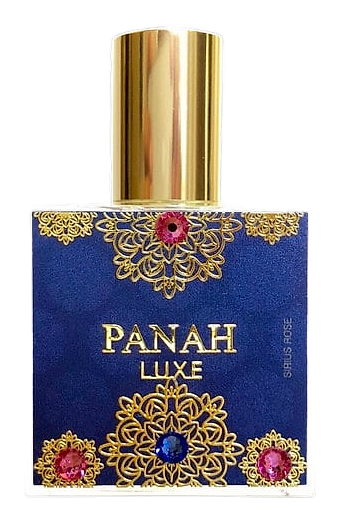
Sirius Rose takes its name from the brightest star in Earth's night sky, a fixed point that every civilization has looked up and recognized. Panah London released it as part of a growing catalogue that has earned the house attention for its approach to heavier, resinous compositions. The composition was designed as a rose-oriental, built around patchouli as its structural spine rather than treating rose as the lone event. Patchouli here isn't the dusty, chocolate-dipped version found in some vintage orientals. It arrives more mineral, slightly damp, like turned earth after rain, and it gives the rose something solid to climb rather than a soft bed to rest on.
What makes this composition worth attention is the hierarchy. Rose and saffron get the spotlight in the opening, but the real architecture lives below. Patchouli does the load-bearing work in the heart, giving the florals an earthy anchor that keeps the whole thing from drifting into sweetness. Then the base layers in oud, amber, and musk, a combination rooted in Middle Eastern tradition but rendered through Panah's British restraint. This isn't a rose fragrance with extras. It's a patchouli composition wearing rose on top.
The evolution
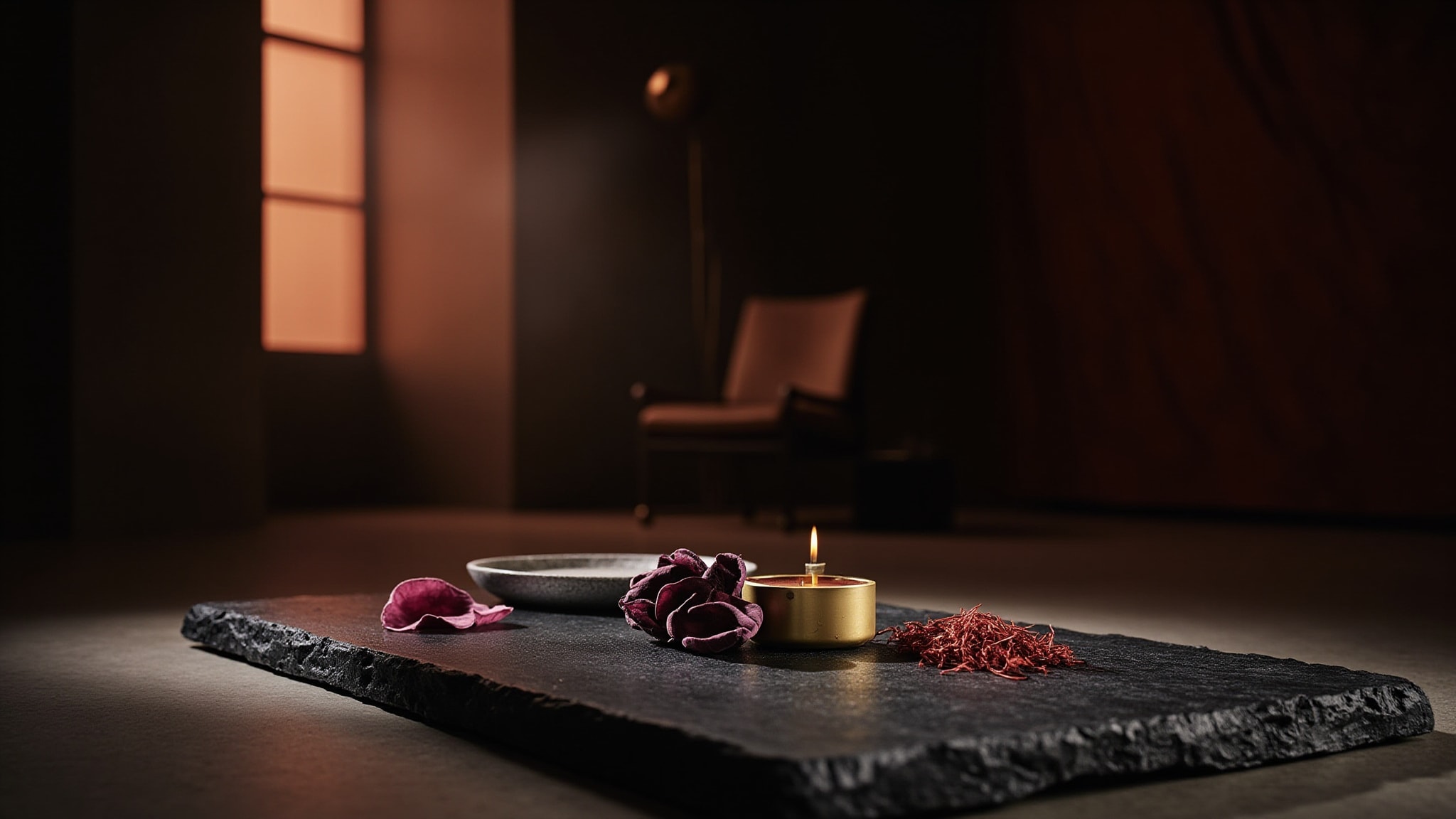
The first 15 minutes are a negotiation. Saffron arrives first, dry and almost metallic, pulling the rose behind it like a current. The rose comes through but never screams. It sits somewhere between Turkish Delight and something darker, darker being the patchouli beginning its slow climb. By the 30-minute mark the saffron recedes, and the florals deepen into something warmer, almost jammy, held together by that earthy patchouli backbone. The 2-hour window is where the oud surfaces. Not the animalic, barnyard kind. More like polished wood in a warm room, smooth and close. From hour 3 onward, it's amber and musk doing the quiet work. The rose is still there, a ghost of itself, folded into the warmth. On fabric the next morning, it reads softer, more like the memory of the fragrance than the fragrance itself.
Cultural impact
Sirius Rose sits in a specific corner of the niche world: rose-orientals built for colder months and evening hours. The patchouli spine gives it weight and seriousness that lighter floral-orientals rarely achieve, and the jammy Turkish-leaning rose keeps the composition from becoming too austere or medicinal. On skin, it opens with that mineral-damp patchouli and the full rose fighting for space, and the first hour is where the tension between them is most visible.