The Story
Why it exists.
The beginning
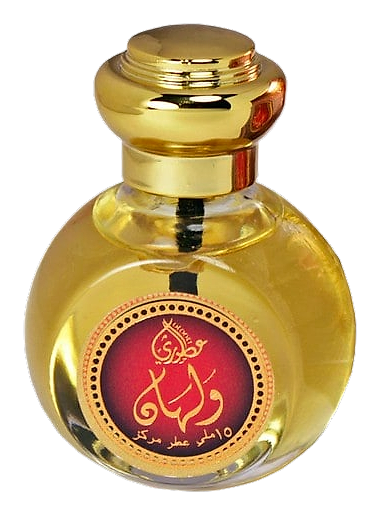
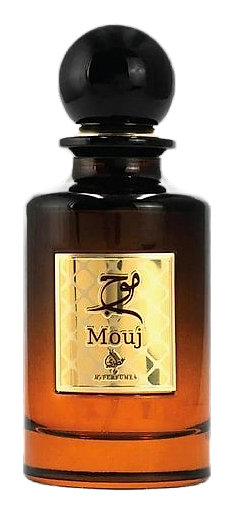
Mouj comes from Otoori, a house whose work draws on the resinous vocabulary of perfumery: the warm, dense materials that anchor incense traditions across the Arabian Peninsula. Each composition reads as a deliberate construction, and Mouj sits comfortably within that approach. The word itself carries weight in Arabic, evoking a rhythmic pulse and the kind of motion that repeats and returns. That sense of return is baked into the composition, which loops back on itself: rose opens, leather settles, vanilla and amber close the circuit hours after the saffron has burned away. The fragrance reads as contemplative Arabian sensuality, scent as a private ritual, and Mouj feels like a quieter, more meditative entry in a catalogue that tends toward oud's intensity.
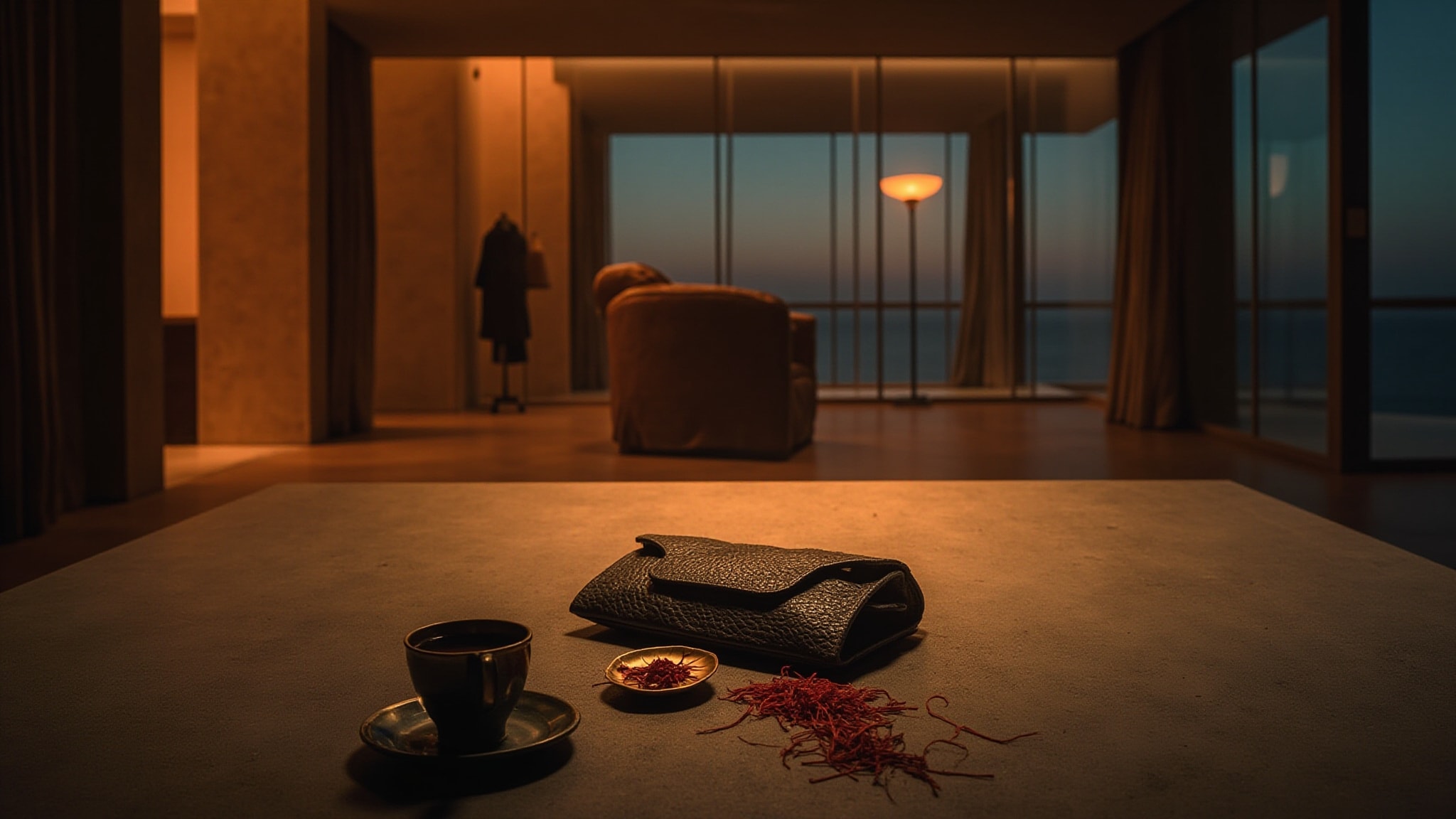
What's interesting here is the restraint. Saffron and rose could easily tip into syrup, especially once vanilla and amber enter the base, but the leather and patchouli at the heart hold the line. That pairing creates the composition's defining tension: floral-spice warmth pressed against something rougher and more structural. The leather isn't suede-soft. It reads more like cured hide, slightly metallic at the edges, giving the saffron and rose a frame they wouldn't have on their own. Patchouli underneath adds an earthy weight that keeps the vanilla from collapsing into pure sweetness.
The evolution
The first fifteen minutes belong to saffron. It's sharp, slightly medicinal, with a leathery edge that arrives almost immediately from the heart notes, as if the perfumer wanted no gap between intention and arrival. Rose enters within minutes, not as a standalone floral but woven into the saffron's warmth, giving it a rounder, more lived-in quality. By the thirty-minute mark, the leather takes over fully. The saffron recedes, the rose softens, and the composition settles into a dense, animalic warmth. Patchouli hums underneath, adding an earthy depth that keeps the leather from feeling polished or showroom-new. It's the phase that defines the fragrance. Two hours in, the vanilla begins to surface, slow and unannounced. It doesn't announce itself with sweetness. Instead, it smooths the leather's rougher edges, rounding the composition without softening its spine. The amber arrives alongside, adding a golden, resinous warmth that lingers close to skin.
Cultural impact
Mouj reflects a certain direction in contemporary Arabian perfumery, one that doesn't rely on oud as the sole point of gravity but builds structure around leather and saffron instead. The composition brings those materials into focus alongside Otoori's agarwood signatures, expanding the brand's reach beyond pure oud territory. Within the warm-spicy category, it offers an alternative profile to the heavier oud-and-amber compositions common to regional perfumery, swapping oud's density for leather's structural warmth and saffron's golden spice.