The Story
Why it exists.
The beginning
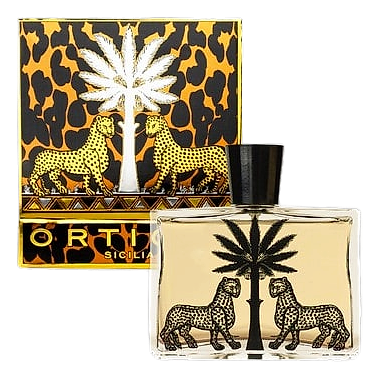
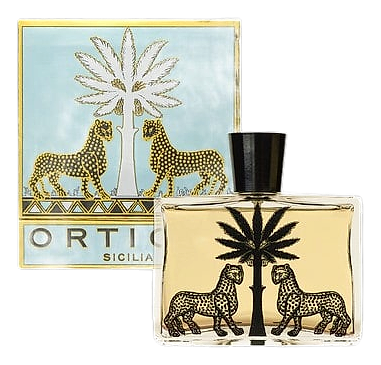
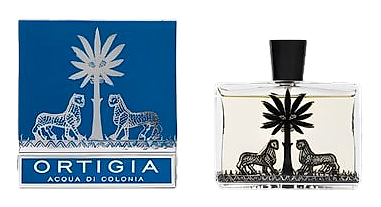
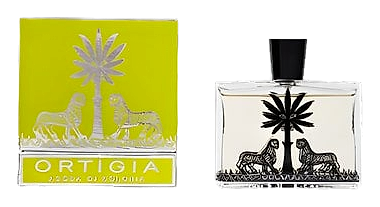
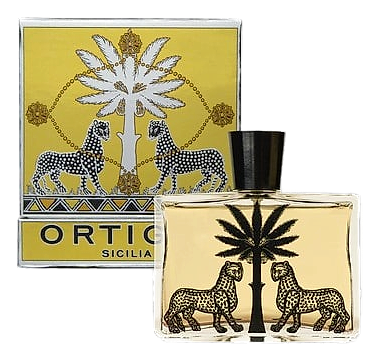
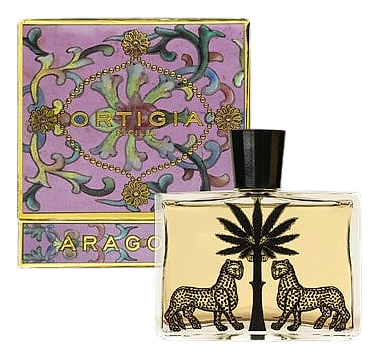
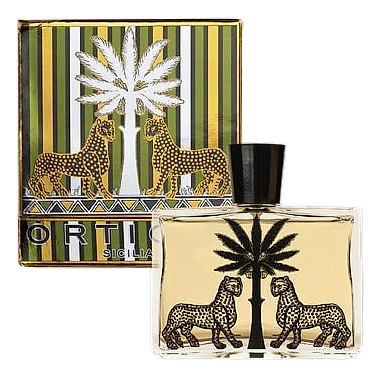
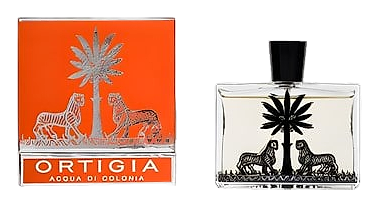
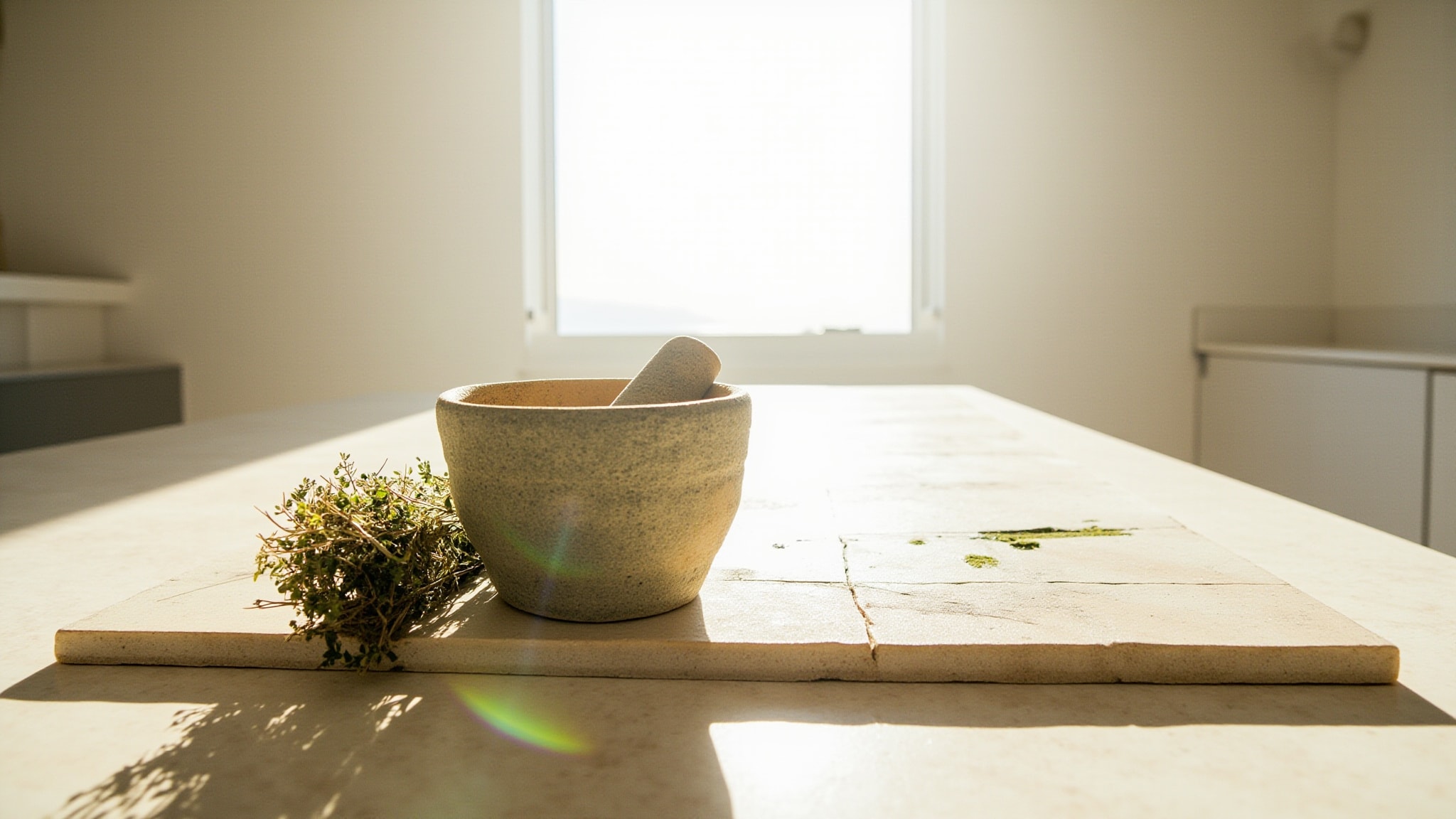
Coral Shell was created by Ortigia Sicilia, composed in collaboration with Italian master perfumer Lorenzo Villoresi. The scent draws on the wild aromatic plants that grow along Sicily's coast, oregano and fennel pushing through cracked stone, cypress and pine catching the sun. The full name, Coral Shell Marenostrum, nods to a Mediterranean rootedness that's felt in every note, a sea that smells like the herbs that rim it. The plants themselves tell much of the story: sun-warmed rosemary on dry hillsides, wild fennel with its faint anise thread, sage that dries on the stem and releases a camphorated coolness when crushed.
What's unusual here is the structure. Rather than building a fragrance around a single star ingredient, Coral Shell gathers a dozen or more Mediterranean botanicals, labdanum, immortelle, pine, rosemary, tarragon, thyme, and lets them share the stage. No sweetness to soften them, no citrus to brighten them. Just dry, sun-baked green stacked on resinous wood. The result reads less like a perfume and more like a walk through maquis at noon.
The evolution
The opening hits green and sharp, oregano and pine cut with a thread of wild fennel that's almost anise-edged without going sweet. Within the first quarter hour the labdanum starts warming underneath, and the whole composition settles into an herbal resin. The cypress gradually takes over as the dominant thread, the dry woody backbone carrying nutmeg and thyme as accents. The drydown stays low and close, a quiet aromatic wood with a whisper of immortelle's curry-leaf warmth. As the hours pass, the resinous base slowly swallows the brighter top notes whole, leaving something darker and more contemplative on the skin.
Cultural impact
Coral Shell has earned a reputation as one of the bolder, more herbal compositions in the Ortigia collection, the kind of scent that pulls you in if you're drawn to green, resinous, unsweetened fragrances. The Mediterranean context gives the composition its particular weight, with each botanical serving as a direct reference to the island landscape: the oregano that grows from cracked stone, the wild fennel that crowds coastal paths, the pine and cypress that shade the hills above the sea.