The Story
Why it exists.
The beginning
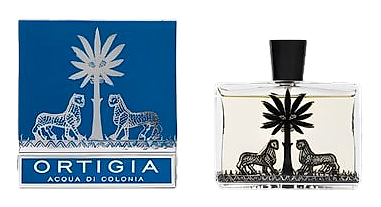
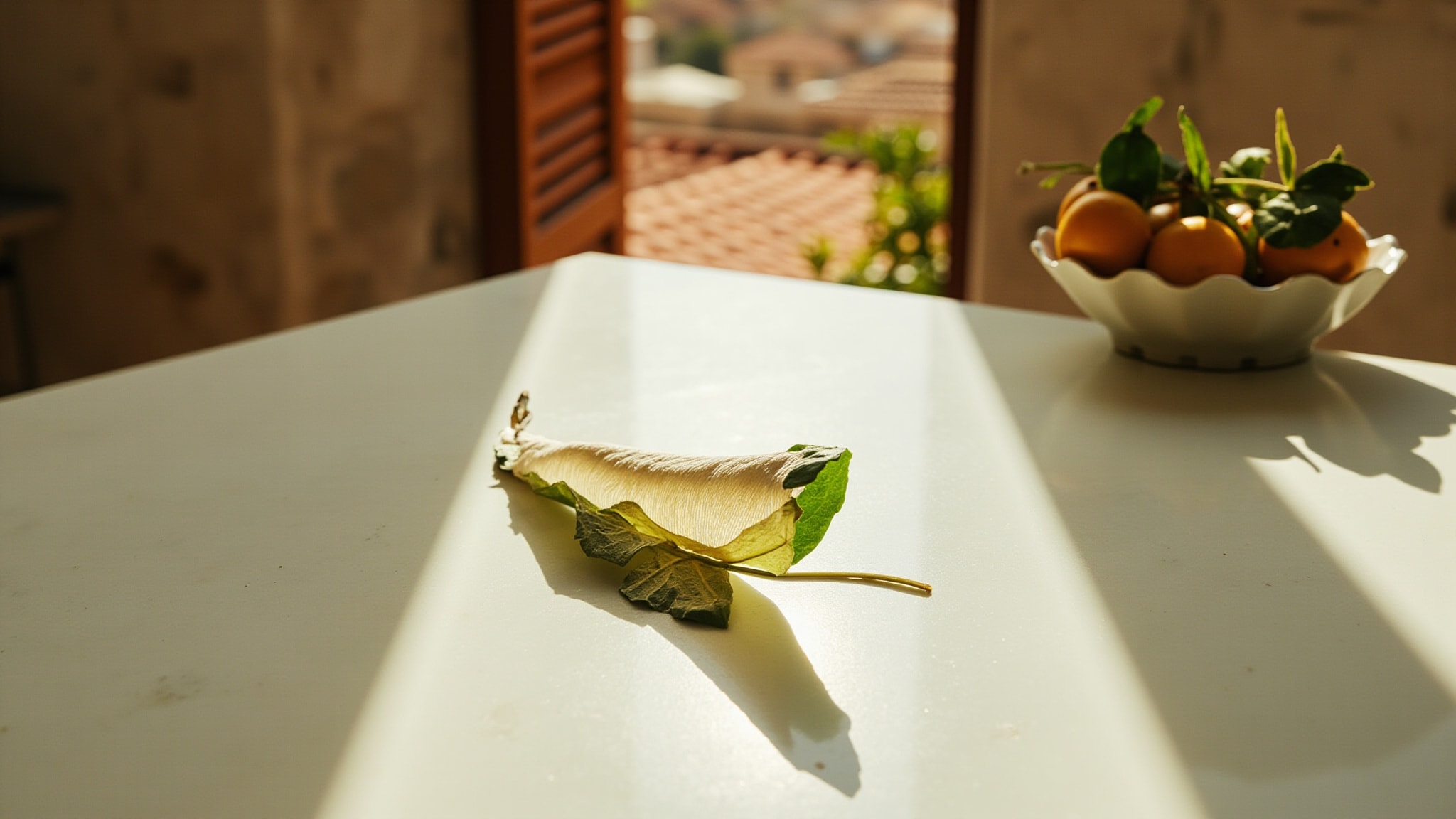
Bergamotto doesn't flirt with you. It arrives already mid-sentence. Ortigia built this one around a specific part of the bergamot tree, the leaves, not the zest that defines most citrus fragrances. The essential oil comes from the crushed leaves and rind of citrus aurantium amara bergamia, the bitter orange relative that gives the fruit its distinctive sour-edged aroma. Composed in collaboration with Lorenzo Villoresi, described in sources as one of Italy's leading perfumers, the fragrance reads less like a perfume and more like the air around a grove. Green, slightly bitter, and unapologetically vegetal. There's a roughness to it that most citrus colognes smooth away, a herbal bitterness that hits the back of the tongue as much as the nose.
Most bergamot-forward fragrances lean on the fruit. The zest gives that bright, slightly floral citrus character familiar from Earl Grey and eau de cologne traditions. What makes Bergamotto unusual is the decision to lead with the leaf instead. Bergamot leaf carries a different aromatic signature, greener, more herbal, carrying faint whispers of neroli's bitter-floral edge without any actual neroli present. It's a material that most perfumers treat as a supporting player, a top-note accent that disappears within the first ten minutes. Here it stays. The composition essentially asks: what happens when you build an entire fragrance around the part of the plant that usually vanishes?
The evolution
The first spray is immediate. No slow build, no waiting. Bergamot leaf hits with a sharp, green bitterness that reads almost vegetal, like tearing a leaf and pressing it to your nose. The citrus fruit underneath provides a thin bright current, but the green dominates, and anyone expecting a conventional citrus opening will be confused for the first five minutes. The opening has a raw, almost agricultural quality, less perfume and more crushed botanicals. Around the 30-minute mark, the sharpness softens. The green loses its raw edge and rounds into something warmer, more herbaceous, with the neroli-adjacent quality the leaf carries. The fruit becomes more present now, but it's working in service of the green, not competing with it. No new notes arrive.
Cultural impact
Bergamotto reads as a study in restraint. It commits to a single botanical idea and holds that line from first spray to final drydown, with no concessions to broader appeal or complexity. Within Ortigia's collection, it stands apart for how directly it presents its source material. There's nothing disguised, nothing blended into obscurity. The bergamot leaf is the whole point, and the fragrance makes no apology for that.