
The Story
Why it exists.
The beginning
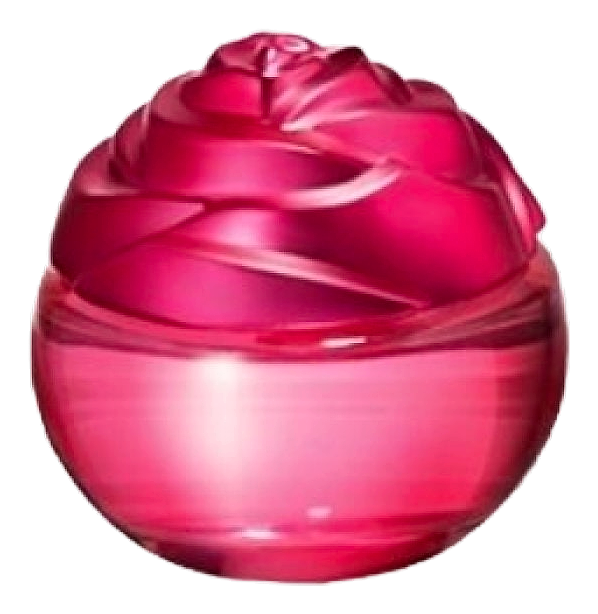
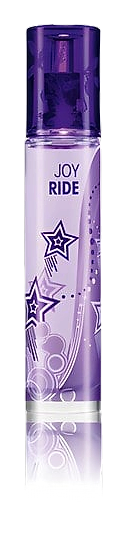
Philippe Roques designed Joy Ride for Oriflame in 2009 with one guiding idea: tropical fruit doesn't have to mean flat sweetness. The market was flooded with aquatic florals that smelled clean and pleasant but disappeared fast. Roques built around a tension instead, the watery brightness of watermelon against a lactonic base that most perfumers wouldn't pair it with. The result is a fragrance that starts juicy and ends warm, staying present through phases that feel like three different bottles wearing the same label.
Joy Ride's defining move is the watermelon-milk pairing. Neither note dominates on its own, but together they create something the accords describe as lactonica, a sweet-savory balance that keeps tropical sweetness from tipping into candy. The ozonic quality comes from water lily and cyclamen, which add a watery, almost cool softness to the heart. What makes this interesting is the structural clarity: fruit opens, florals settle, milk and amber anchor. No mud, no drift. The synthetic tag in the accords isn't a criticism here, it's what makes the composition hold together across those phases without losing identity.
The evolution
The opening hits immediately. Watermelon and passion fruit arrive together, juicy and sharp, with sweet orange lifting the brightness for about 20 minutes. Then the florals take over, water lily and cyclamen smooth out the citrus, the fruit softens into something quieter and more aquatic. This middle phase lasts the longest, around two to three hours on most skin. The base is where Joy Ride earns loyalty. Milk and musk arrive late, blending into the florals until the sillage becomes skin-close. Amber adds a warm amber glow that lingers for another hour or two after the florals fade. The drydown is the whole point, tropical sweetness that became something warmer, closer, a little softer than it started.
Cultural impact
Joy Ride arrived at a moment when fruity-floral was the dominant language of mass-market fragrance, 2009 saw tropical and aquatic notes everywhere. The interesting thing about Joy Ride is how the milk base separates it from that broader field. It's not quite aquatic, not quite fruity, sits in a space between them that feels intentional rather than confused. The composition holds up particularly well in spring and summer, when the tropical and ozonic accords read clearest.