The Story
Why it exists.
The beginning
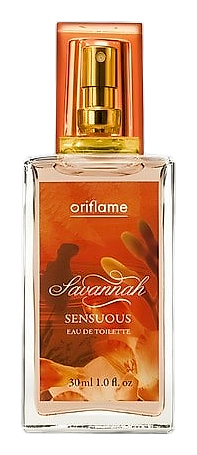
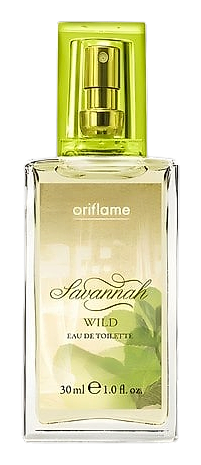
Savannah Wild arrived in 2010 from Marie Salamagne, a perfumer who understood that 'wild' doesn't mean loud, it means something that grew on its own terms. The name says open grassland, unharnessed energy, the scent of air before fences. But this isn't a fragrance that overwhelms. It's the opposite: the kind of scent that arrives and belongs, the way wildflowers just are. Salamagne built it around contradiction, tart and soft, green and warm, fruit that doesn't sweet-talk you. Blackcurrant leads, unapologetic. Then the rhubarb cuts in sideways. The fig keeps everything honest. This is a fragrance for someone who doesn't need permission to like what she likes.
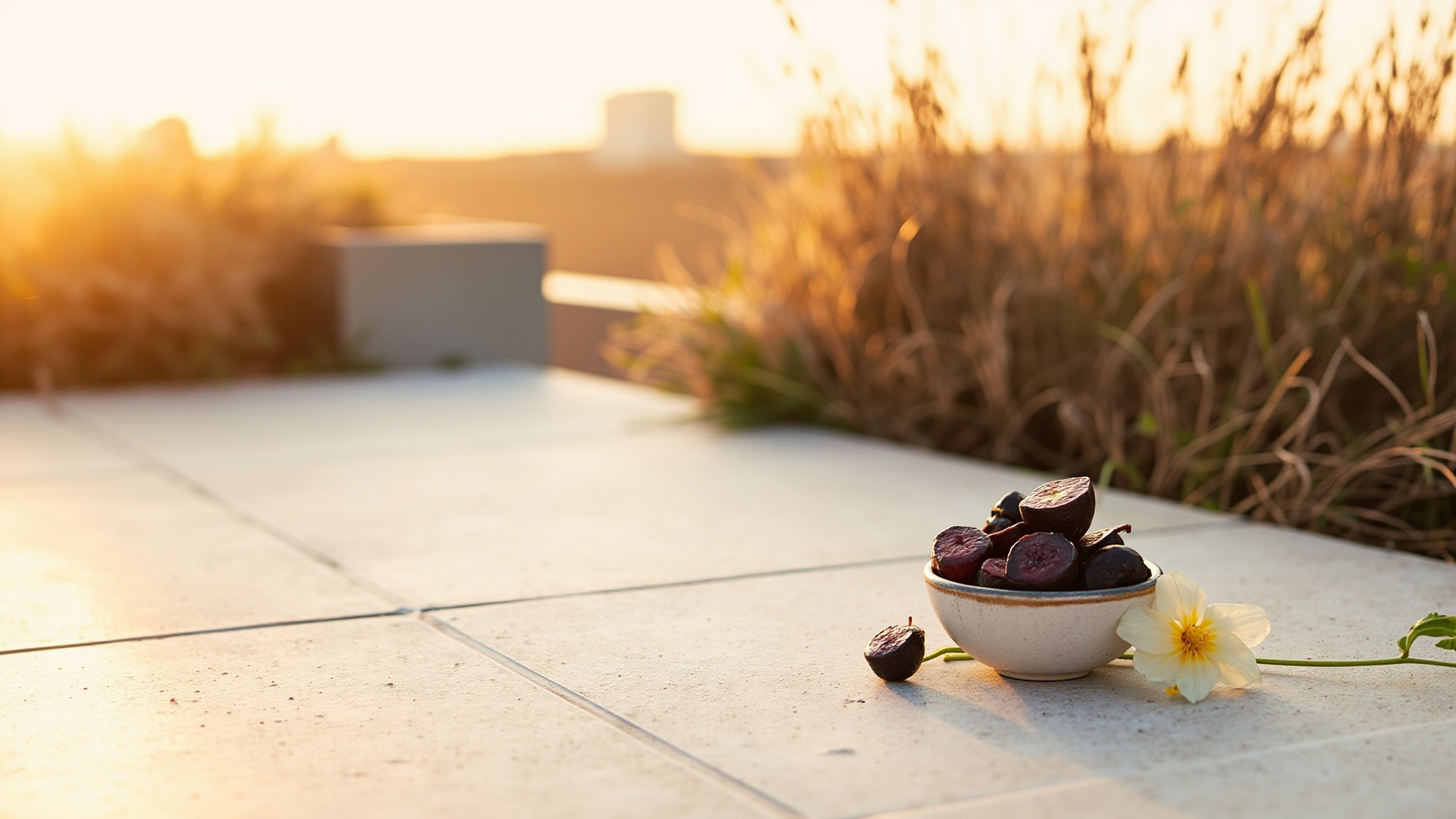
What makes Savannah Wild interesting is the way rhubarb and fig share space in the heart. Rhubarb is angular, sour, almost vegetable, while fig leans sweet and lactonic. Together they create a tension that most fragrances avoid by picking a lane. Freesia adds a clean floral brightness that could have tipped it into generic, but iris grounds it with powdery depth that keeps things interesting. The base is cedar and musk: woody without heaviness, skin-like without being aggressive. It's a composition that trusts the top notes to do the talking, then quietly holds its ground underneath.
The evolution
The opening hits blackcurrant and citrus, bright, immediate, a quick jolt of energy. Mandarin orange appears briefly, then exits cleanly. Twenty minutes in, rhubarb takes over: tart, green, slightly sour in a way that wakes everything up. Fig lingers underneath, softening the edges. The transition from top to heart happens fast, no waiting around. By hour two, the florals arrive: freesia is present but iris is doing the real work, adding that powdery warmth that makes the drydown feel inevitable. Cedar and musk show up fashionably late. They don't compete. They settle. The final hours are quiet, a skin scent, intimate, barely there but somehow harder to forget than the bright opening ever was.
Cultural impact
Savannah Wild arrives in the lineage of accessible fruity florals that democratized luxury-style fragrance for younger markets across Europe and emerging economies. The Blackcurrant and citrus combination speaks to a broader trend where consumers moved away from single-note freshie fragrances toward more complex but approachable fruity profiles. Oriflame built its identity on direct sales and affordability without sacrificing perceived quality, positioning products like Savannah Wild as an entry point into 'designer-adjacent' scent experiences. This fragrance type represents a significant cultural shift: fragrance as self-expression became accessible to demographics previously priced out of premium markets, shifting the industry from exclusivity toward inclusivity.