The Story
Why it exists.
The beginning
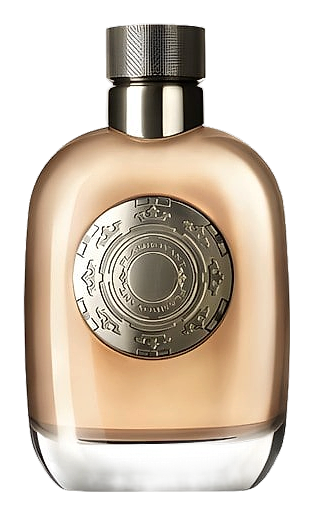
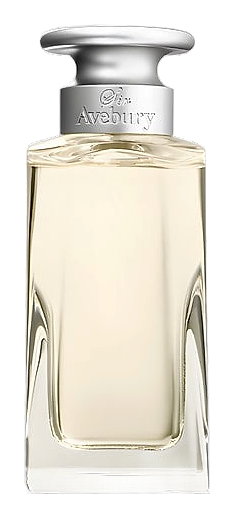
Rival emerged from Oriflame's 2013 push to refresh its men’s line with a scent that felt both modern and approachable. Perfumer Alexis Dadier, already familiar with the brand’s in-house R&D, aimed to capture the energy of a brisk Scandinavian morning. The brief called for crisp citrus and something unexpected beneath it. Dadier delivered with a citrus and spice opening anchored by mandarin orange and lemon, then built in a surprising heart of violet leaf, star anise, and geranium to keep things interesting.
The note philosophy behind Rival balances immediacy with longevity. The opening citrus and cinnamon combination is designed to grab attention quickly, projecting confidence in the first minutes of wear. The heart of violet leaf, star anise, and geranium serves as a transitional layer, cooling the initial brightness and adding complexity that rewards patience. The pairing rationale for the drydown is deliberate: coffee and patchouli leaf create a grounded, Intimate base that extends wear time without overwhelming. Amber acts as a bridge, softening the transition and ensuring the drydown feels cohesive rather than disjointed. This structure gives Rival a clear narrative arc from opening to finish.
The evolution
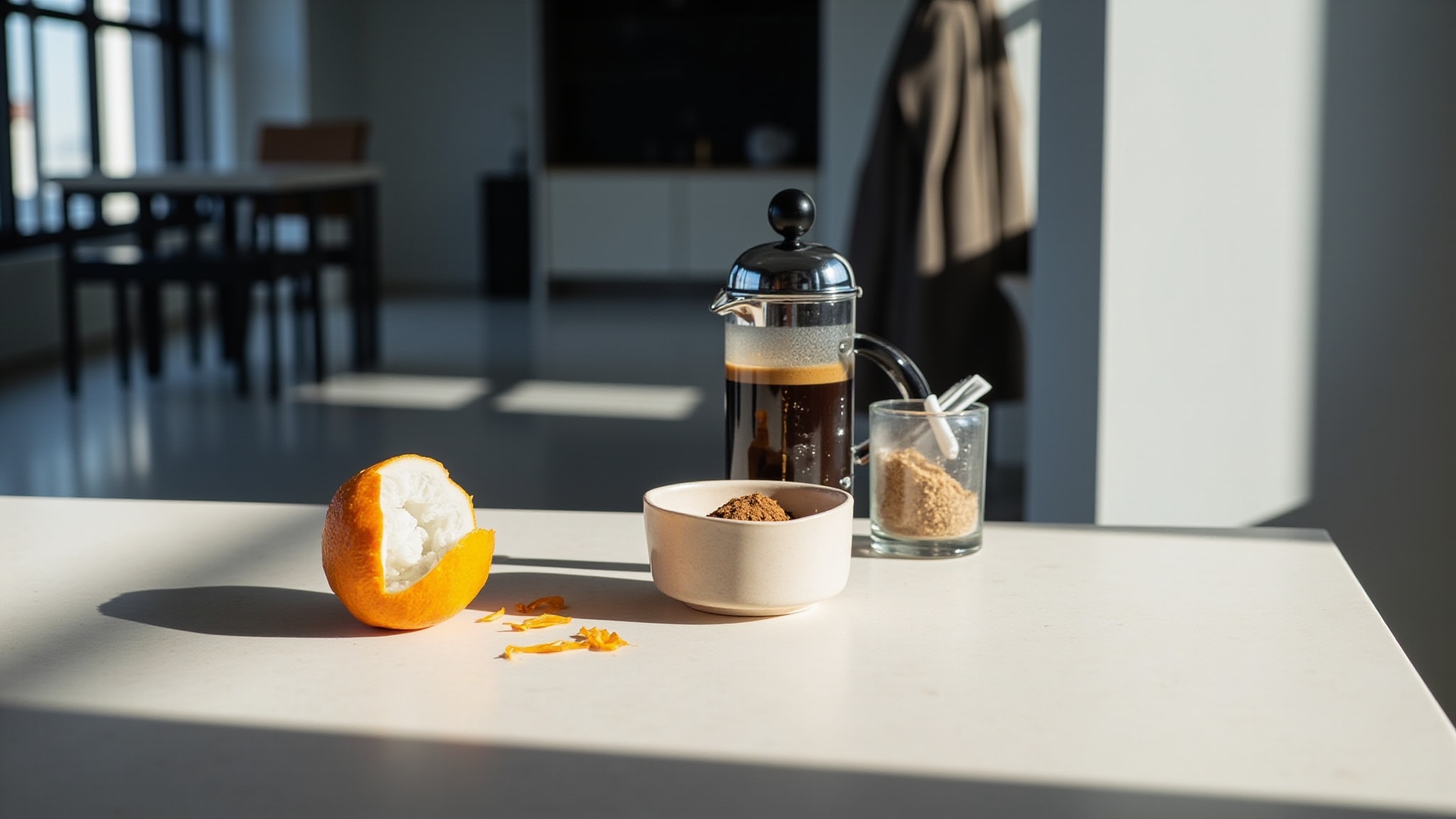
The opening of Rival is its boldest statement: a sharp citrus and spice combination that announces itself with confidence. Mandarin orange and lemon provide the initial brightness, but it is the cinnamon that adds the character, lending warmth and an almost edible quality that sets the tone for what follows. Within the heart, the composition cools and darkens. Violet leaf introduces a green, slightly aquatic note, while star anise contributes its distinctive aniseed warmth. Geranium threads through, adding a subtle floral bitterness that prevents the heart from becoming too sweet. The drydown is where the scent truly settles into itself. Coffee brings roasted depth, patchouli leaf adds earthy, smoky warmth, and amber rounds out the composition with a faint resinous glow. The overall arc moves from bright and punchy to cool and complex, finishing Intimate and lingering.
Cultural impact
Cinnamon has long been a symbol of hospitality and warmth in many cultures, from ancient Egyptian trade routes to modern holiday celebrations, where its spicy aroma evokes memories of family gatherings and festive feasts. Lemon, with its bright and clean scent, has been used in Mediterranean rituals to signify purity and renewal, often featured in springtime cleansing ceremonies and culinary traditions that celebrate the season's bounty. Mandarin orange, prized in East Asian cultures, represents prosperity and good fortune, frequently appearing in Lunar New Year festivities where its sweet citrus notes are believed to attract wealth and happiness.