The Story
Why it exists.
The beginning
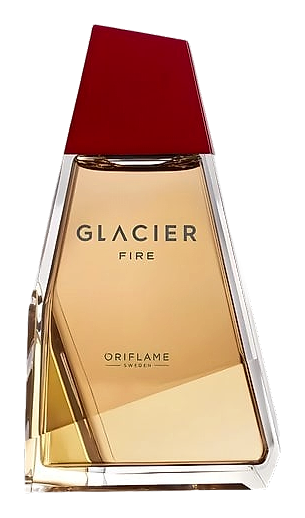
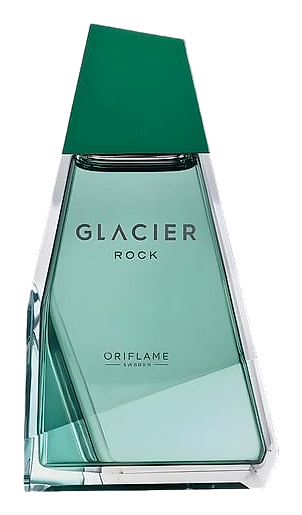
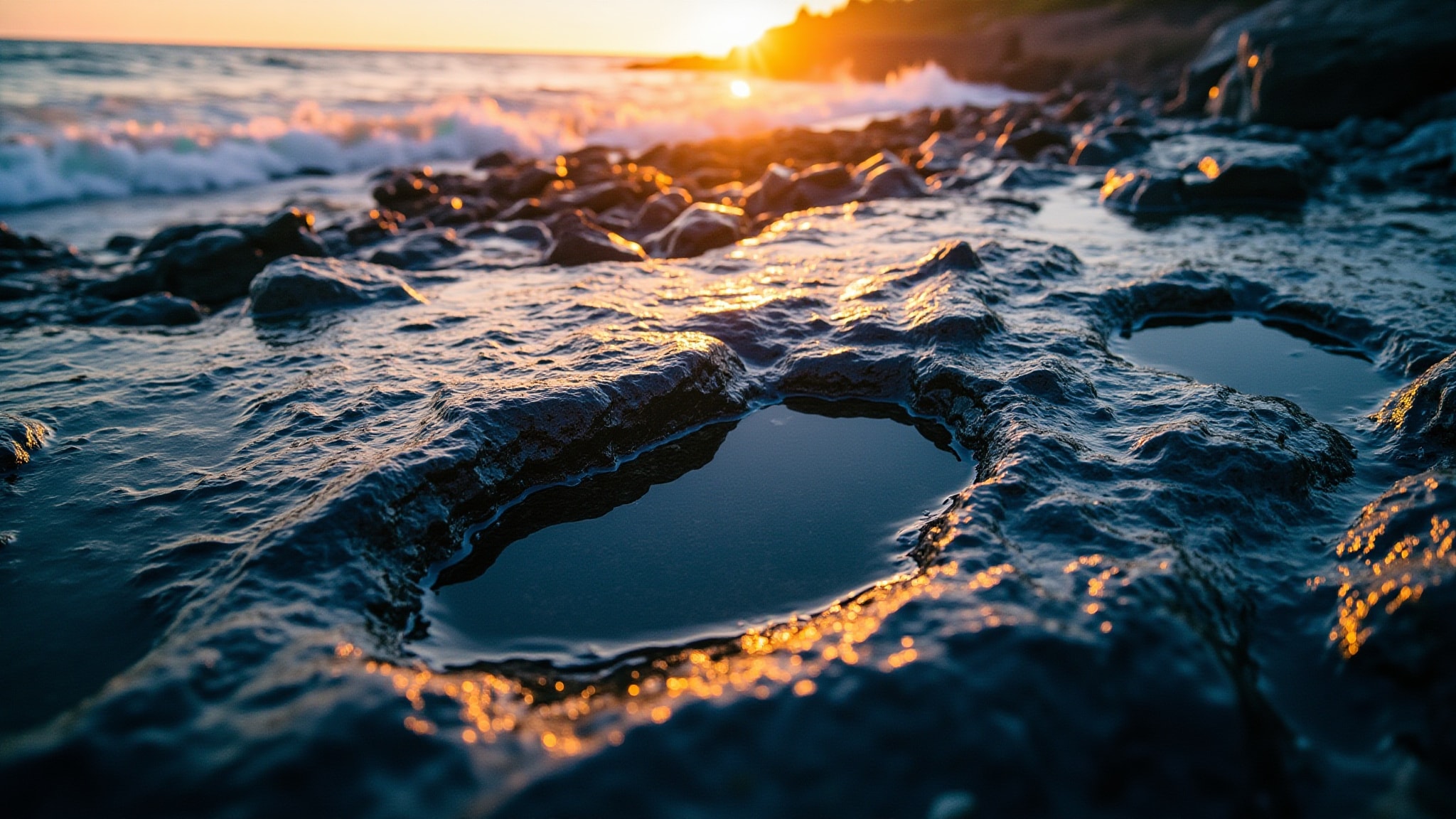
Glacier Rock arrived in 2015 from perfumer Alexandra Carlin, built around a single vivid image: the moment mineral cold meets warmth. Sweden's coastline and mountain terrain gave Carlin the vocabulary, cold stone, open air, the smell of water retreating from rock. The name is literal. It's a place where ice meets the sea, where everything feels sharp and alive. Carlin translated that tension into a fragrance that opens cold and ends warm, contradicting itself on purpose. Oriflame gave her the brief and stayed out of the way.
What makes Glacier Rock unusual is the heart. Cucumber and green apple feel expected in a fresh masculine, but the vermouth is the pivot point, bitter, herbal, faintly medicinal in a way that keeps the composition from going soft. That mid-section is where most flankers of this type fall apart, reaching for sweetness to compensate. Instead, the vermouth holds the line. The mineral amber base reinforces the stone metaphor without leaning into ozonic territory too hard. Tonka bean enters late and sweetens the deal just enough to make skin feel warm instead of cold.
The evolution
First hour: air accord and blood orange hit bright and sharp. The guarana adds a slight bitterness that keeps the citrus honest, not juice, not candy, just clean and awake. Second hour: the cucumber and green apple take over, and the fragrance shifts from bright to cool. The vermouth lingers longer than expected, giving the heart an aromatic quality that reads almost as medicinal. Third hour and beyond: the base wakes up. Mineral amber adds a stony dryness, musk keeps it close to skin, and tonka bean slowly introduces a warmth that contradicts everything that came before. The fragrance ends where it started: a paradox. Cold stone that somehow feels warm when you press your wrist to your neck.
Cultural impact
Glacier Rock arrived in 2015 during a transitional period for mass-market masculine fragrances. The fresh-aquatic wave of the 2000s was fading, and brands sought new directions for masculine freshness. Oriflame's answer was a mineral-forward concept that rejected the typical marine notes in favor of cold stone and cucumber, reflecting a broader cultural shift toward authenticity in fragrance preferences. The vermouth note was particularly bold for a mass-market release, introducing an unexpected bitter-herbal dimension that distinguished it from safer aquatic flanker formulas. Within Oriflame's lineup, Glacier Rock bridged the brand's traditional fresh masculines and the more complex, nuanced compositions emerging in the mid-2010s.