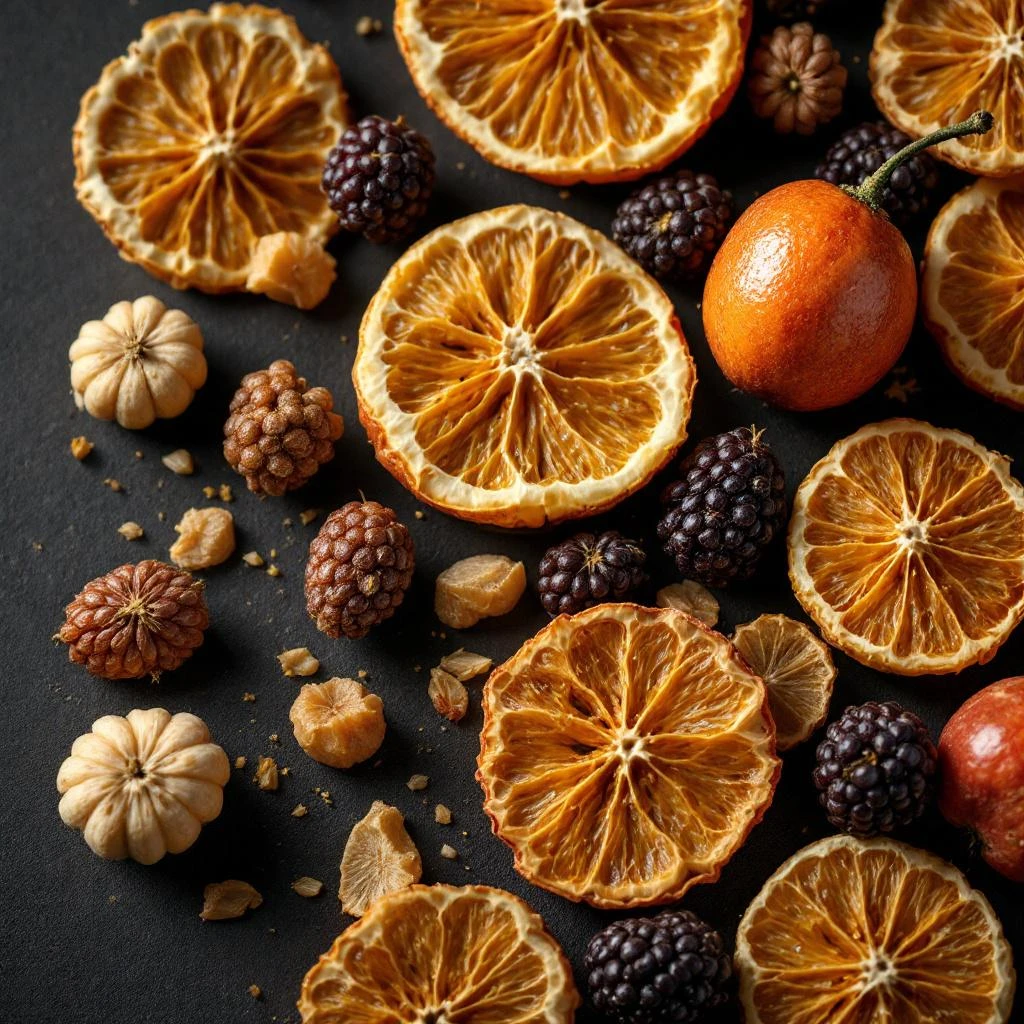
Guarana
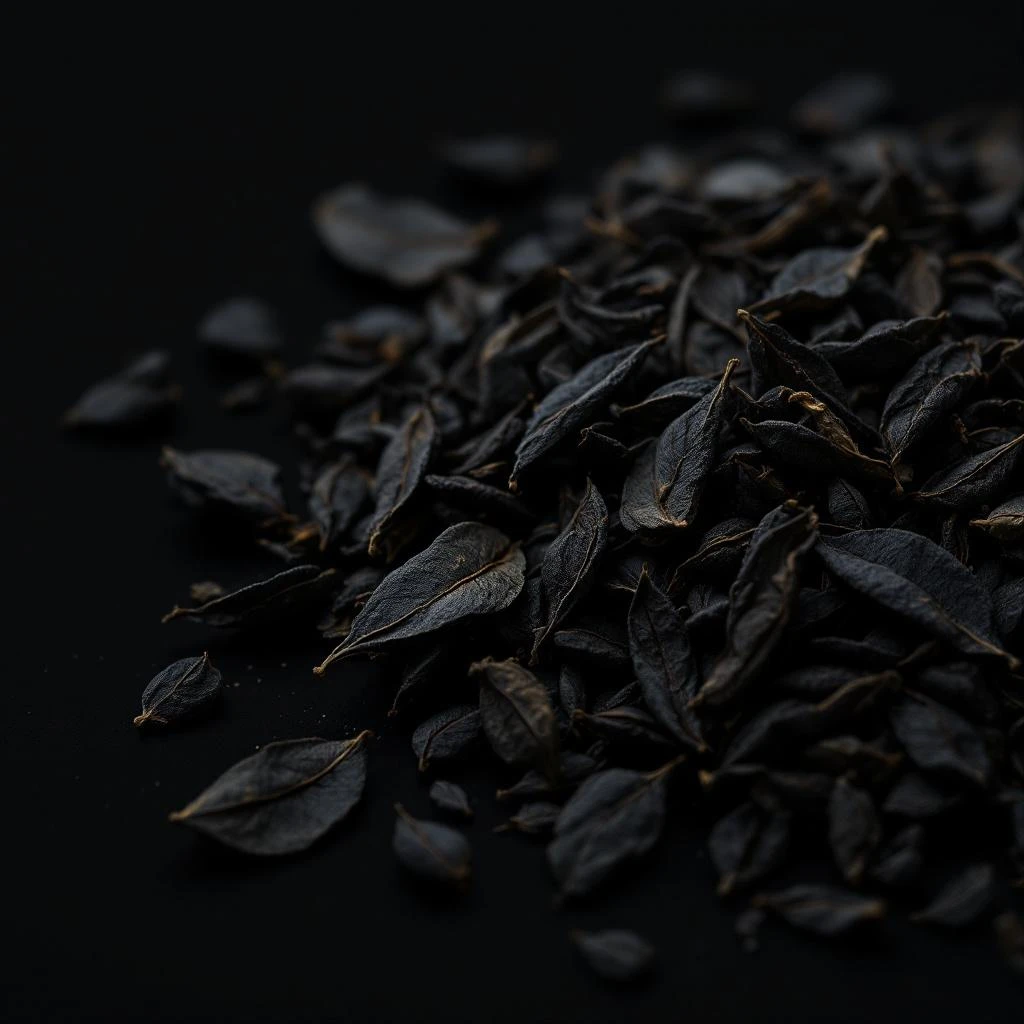
Guarana seed offers a bright, slightly bitter green note that lifts citrus and spice accords, delivering a crisp, energizing edge prized by modern perfumers.
Character
How it smells
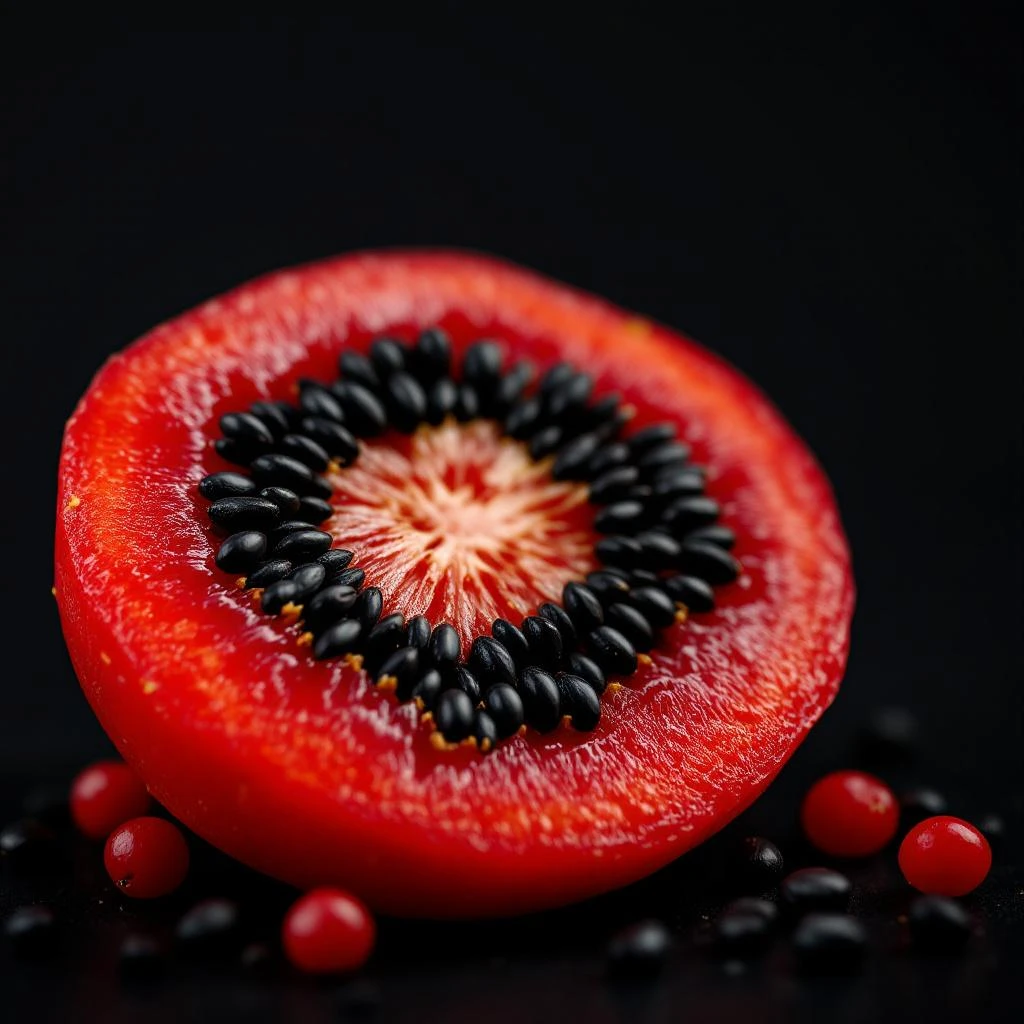
Green vigor in a single seed for scent creators.
Guarana seeds contain up to 5 % caffeine, more than coffee beans, and the same stimulant boost translates into a subtle, alerting aroma that perfumers use to add a lively spark to compositions.








Origin
Brazil
Indigenous peoples of the Amazon have chewed guarana seeds for centuries, valuing the plant’s stimulant power in rituals and daily life. Early explorers recorded the seed’s bitter taste and energizing effect, noting its use as a natural stimulant long before coffee reached Europe.
In the late 1800s, French chemists isolated caffeine from guarana and began experimenting with its aromatic potential. By the 1920s, perfumers in Grasse incorporated guarana absolute into masculine fougère compositions, appreciating its crisp green lift.
The rise of natural‑focused perfumery in the 2000s revived interest, and sustainable sourcing projects emerged to protect wild populations while meeting demand. Today, guarana appears in niche fragrances that seek a bright, alerting accent, linking modern scent design to ancient Amazonian tradition.
Wears it best
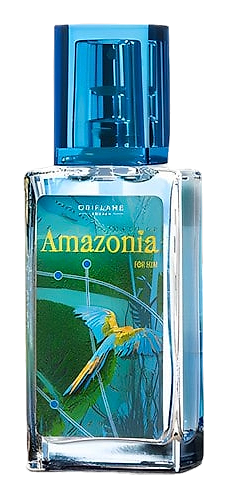
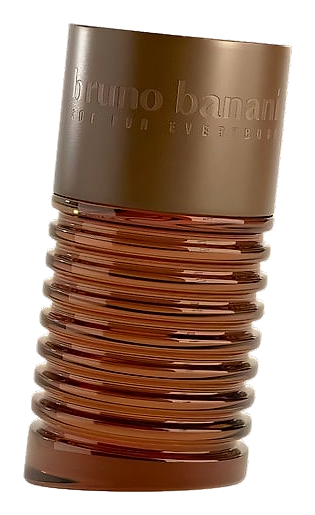
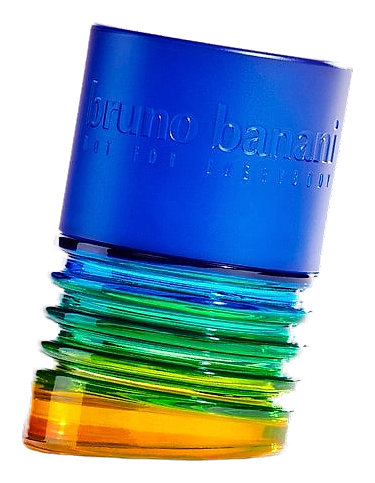
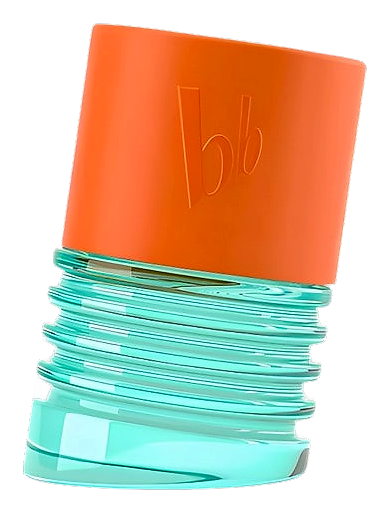
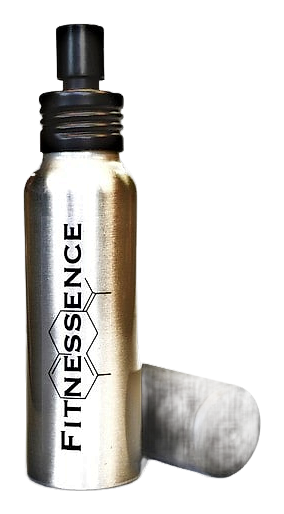
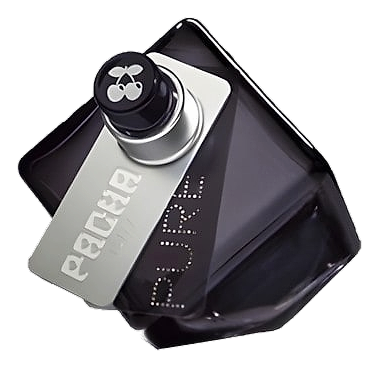
Fragrances featuring Guarana

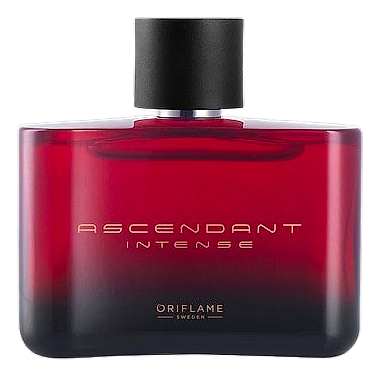
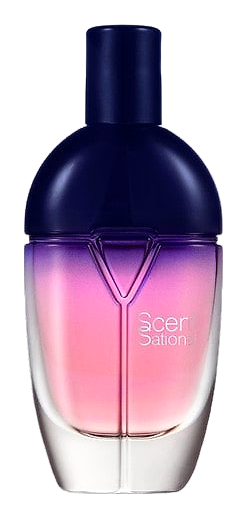
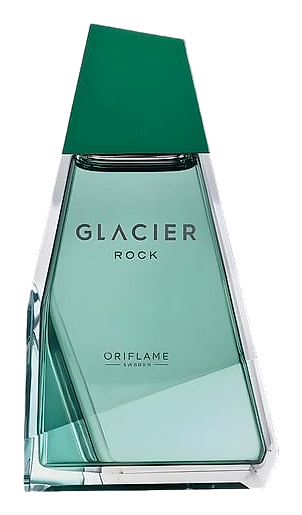
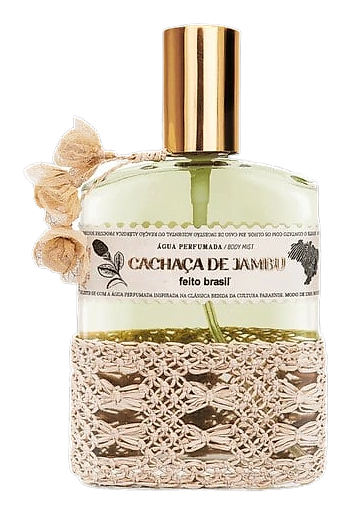
Brands
Brands known for Guarana
Good to know
Questions, answered
The essentials on Guarana in perfumery: how it smells, where it comes from, and how it behaves on skin.
What aroma does guarana contribute to a perfume?
Guarana adds a crisp, slightly bitter green note with subtle caffeine‑like sharpness. The note lifts citrus and spice accords, creating an alerting edge. This bright facet blends well with bergamot, ginger, and vetiver, enhancing overall freshness.
How do perfumers extract guarana aroma?
Perfumers extract guarana aroma using solvent extraction on dried seeds. They soak the ground seeds in ethanol, then filter and evaporate to yield a thick absolute. The 2020 industry report notes a typical yield of 1.8 % absolute by weight for commercial use.
Where does guarana naturally grow?
Guarana grows in the Amazon basin, primarily in Brazil’s Pará and Amazonas states. The plant thrives in humid lowland rainforests near the equator. According to Brazil’s 2019 agricultural census, wild harvests accounted for 68 % of national output, making it a key regional crop.
Is guarana considered a sustainable ingredient?
Guarana qualifies as a sustainable ingredient when sourced from certified agroforestry projects. These farms interplant guarana with native trees, preserving canopy cover. A 2022 sustainability audit recorded a 22 % reduction in soil erosion on participating farms. Thus, it supports biodiversity and local economies.
Does guarana pose allergen concerns in fragrances?
Guarana presents a low allergen risk for most users. The International Fragrance Association lists it as a non‑sensitizing material. In a 2018 patch‑test study, only 0.3 % of participants reported mild irritation. Therefore, it remains safe for mass‑market applications when used within recommended concentrations.
How long does the guarana note persist in a perfume?
Guarana’s green facet fades within the middle phase, typically lasting 2–3 hours on skin. Its volatile compounds evaporate faster than base notes. A 2021 longevity test recorded an average decay rate of 45 % after 120 minutes. Thus, it provides a brief spark before settling into the base.
Can guarana be used in natural perfume formulations?
Guarana fits natural perfume formulas that rely on plant‑derived absolutes. Its solvent‑extracted absolute meets organic certification standards when sourced responsibly. In 2020, 12 % of certified natural fragrances listed guarana as an ingredient. This demonstrates its acceptance among eco‑conscious brands seeking authentic green accords.
What is the caffeine content of guarana seeds used in perfumery?
Guarana seeds contain roughly 5 % caffeine by dry weight. This concentration exceeds that of coffee beans, which average 1.2 % caffeine. Laboratory analysis in 2019 confirmed the 5 % figure across multiple Brazilian harvests. These levels contribute to the note’s subtle stimulating character.