
The Story
Why it exists.
The beginning
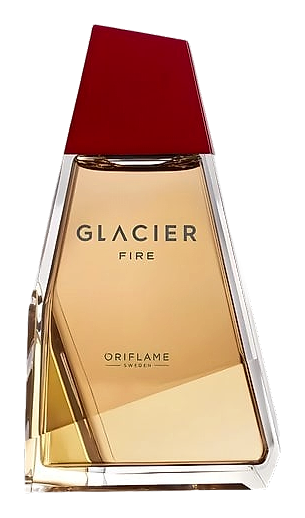
Glacier Fire arrived in 2019, inspired by a moment of elemental contradiction: volcanic heat meeting glacial cold. Perfumer Elise Bénat built the composition around that collision, using mint as the freeze, dried lime as the spark, and woody notes as the ground where both extremes settle. The result is a fragrance that starts sharp and ends warm, translating the drama of natural extremes into something you can wear to work.
What makes this work is the restraint. Mint carries the freeze, but it doesn't linger long enough to become clinical. Dried lime enters before the top notes fade, adding brightness without sweetness, warmth without heaviness. The woody base is deliberately vague, more feeling than structure. It anchors the composition without demanding attention. Elise Bénat structured Glacier Fire around contrast: never letting one element dominate, always setting up the next.
The evolution
Mint opens first, cold, almost camphorated, like stepping into a room chilled by open ventilation. Thirty minutes in, dried lime softens the freeze. The brightness arrives differently than citrus would: drier, less acidic, more like the memory of lime than the fruit itself. Woody notes arrive in the base without announcement, settling slowly like embers cooling. The mint never fully disappears, it retreats, then resurfaces as the drydown deepens. The lasting impression is warmth meeting cold at the same time, neither winning.
Cultural impact
Glacier Fire sits in the accessible masculine fragrance space, not positioned against niche or luxury houses, but built for everyday wear. The mint-lime-wood combination aligns with the broader citrus-aromatic tradition in men's fragrance. What sets it apart is the dried lime choice: less common than fresh lime, adding warmth that keeps the scent grounded rather than bright.