Dried Lime
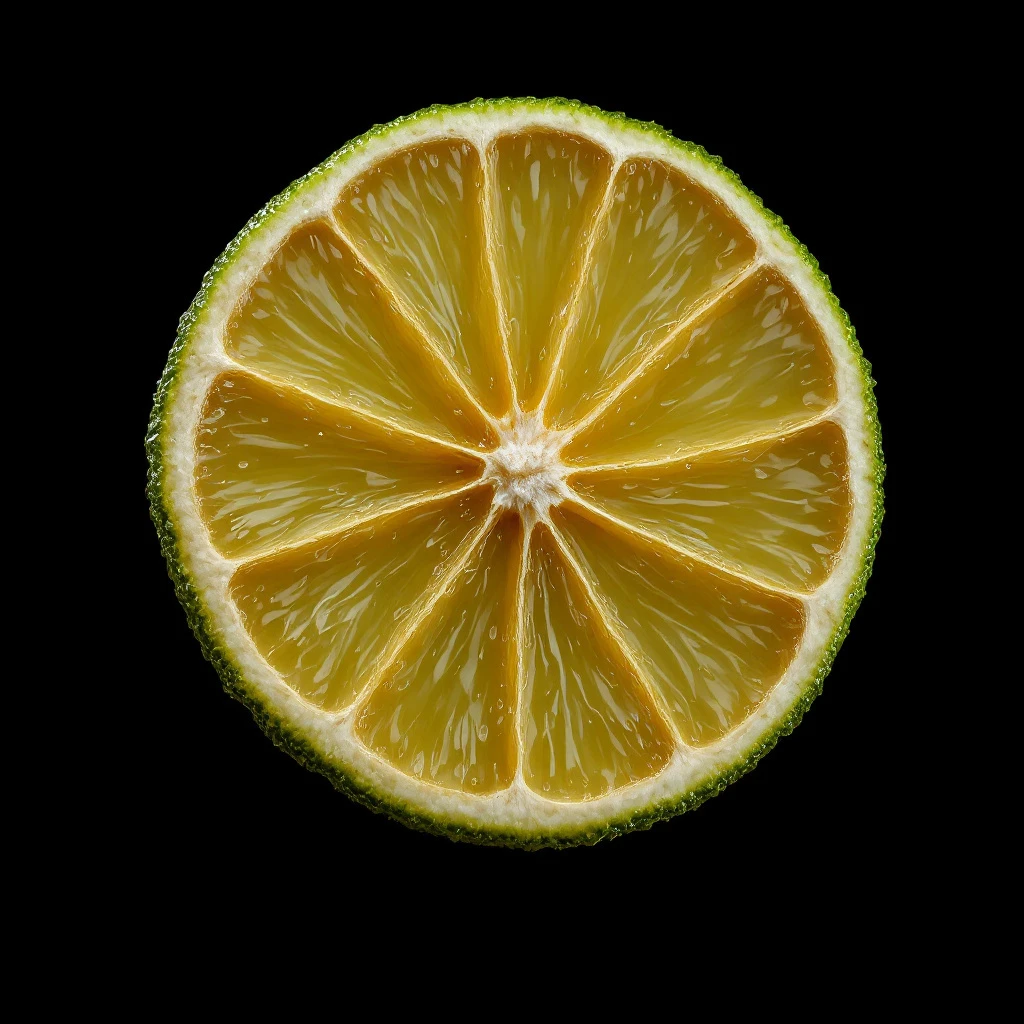
Dried lime undergoes a transformation that changes fresh citrus brightness into something deeper, darker, and mysteriously smoky. Sun-curing concentrates volatile oils and triggers the Maillard reaction, creating an aromatic unlike any other citrus material in perfumery.
Character
How it smells
Smoky citrus from the ancient world
Dried lime appears in 13th-century Persian texts alongside frankincense and ambergris as a treasured aromatic material.
Pairs beautifully with
Origin
Iran
The use of dried lime in perfumery traces back to the medieval courts of Persia and Arabia, where physicians and alchemists experimented with materials that combined culinary and aromatic applications. Ancient texts from the Safavid period describe perfumers incorporating whole dried limes into sachets and incense blends, pairing them with prized oud and ambergris. The material held a special position because it offered longevity unusual for citrus materials, which typically evaporate quickly.
Arabian physicians of the 10th and 11th centuries documented dried lime in medicinal preparations alongside frankincense, myrrh, and other aromatics that served both therapeutic and ceremonial purposes. Trade routes carried dried lime throughout the Middle East and along the Indian Ocean spice corridors, introducing it to Indian and Southeast Asian perfumery traditions. Western fragrance houses encountered the material only in the late 20th century, when demand for exotic Middle Eastern ingredients prompted greater interest in traditional regional materials.
Today, dried lime remains a signature note in fragrances that seek to evoke the smoky, resinous character of Arabian perfumery.
Wears it best
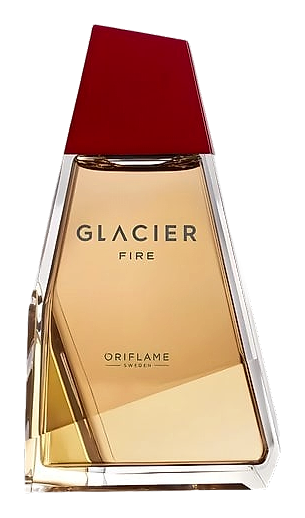
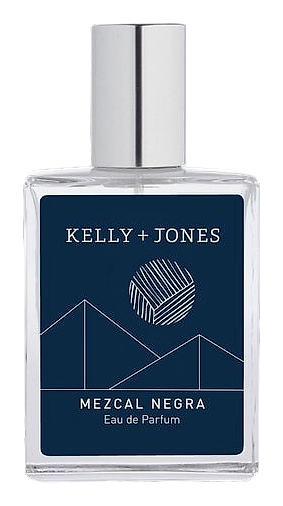
Fragrances featuring Dried Lime
Brands
Brands known for Dried Lime
Good to know
Questions, answered
The essentials on Dried Lime in perfumery: how it smells, where it comes from, and how it behaves on skin.
Where does dried lime used in perfumery come from?
Iran and surrounding Middle Eastern nations produce most dried lime for perfumery. The traditional sun-drying method works best in regions with low humidity and intense summer heat, which explains why Iran, Iraq, and parts of Afghanistan dominate production.
What makes dried lime different from regular lime in perfumery?
The brine treatment and prolonged sun-drying fundamentally transform the citrus profile. Fresh lime offers bright, sharp top notes, while dried lime delivers smoky, complex undertones created by the Maillard reaction during curing.
How does the Maillard reaction affect dried lime aroma?
The Maillard reaction generates new chemical compounds including pyrazines and melanoidins, which create the distinctive smoky, almost chocolate-like depth that sets dried lime apart from every other citrus material.
What fragrance families pair well with dried lime?
Dried lime works exceptionally well with oriental and woody compositions. Its smoky character complements oud, amber, and leather notes, while its citrus origin allows it to brighten darker fragrance profiles.
Is dried lime considered rare or common in perfumery?
Dried lime occupies a niche position. Most Western perfumers use it as an accent note rather than a foundation, while Middle Eastern perfumers treat it as a staple ingredient in traditional oud and amber blends.
What should buyers look for when sourcing dried lime for perfumery?
High-quality dried lime appears nearly black with a glossy, glass-like surface. The aroma should combine smoky depth with a lingering citrus backbone. Any hint of mold or staleness indicates improper drying.
Can synthetic materials replicate dried lime?
Synthetic citrus isolates capture fresh lime character accurately, but no laboratory reproduction has successfully replicated the Maillard-derived smoky complexity that sun-curing creates in whole dried limes.