The Story
Why it exists.
The beginning
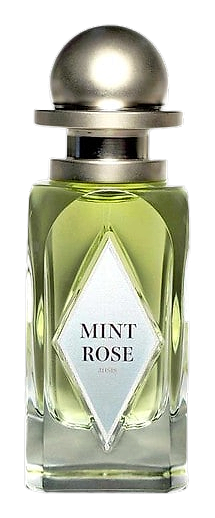
Jerry Lin built Mint Rose on a question: what if mint and rose refused to take turns? In Western perfumery, mint often plays a supporting role, a freshness that brightens the opening and then vanishes. Rose takes its time arriving, usually settling in the heart as the main event. Lin wanted to challenge that choreography. The idea was to give mint and rose equal weight from the start, letting them arrive together rather than in sequence. The result is a fragrance that opens with the mentholated clarity of the first and holds the quiet presence of the second. It is, in that sense, a mint rose, not a rose with mint on top.
The construction relies on two opposing temperature systems. The first is cold, spearmint, rosemary, and pink pepper creating a chill that reads as crisp and immediate. The second is warm, white rose, violet, and ambergris that emerge later and hold the drydown. The tension between these systems is what makes the fragrance interesting. Litsea cubeba plays a supporting role, its citrusy-floral character adding brightness without disrupting the cool register. The frankincense is a whisper, not a shout, present from the start but never demanding attention.
The evolution
Mint Rose opens cool and stays cool. That mentholated quality, rosemary and spearmint cutting through, does not fade the way it does in most fresh fragrances. It softens, yes, becomes less mentholated and more aromatic, but it does not vanish. The pink pepper adds a small electric kick at the top, and the litsea cubeba brings a citrusy brightness that prevents the whole thing from becoming too austere. Frankincense sits quietly underneath, a smoky thread that keeps the opening from reading as merely refreshing. Around the thirty-minute mark, mint settles into something more refined. White rose arrives, not bold, not showy, just there. Neroli adds a floral sweetness that softens the herbs without fighting them. Basil and fig leaf keep the green character alive, giving the heart a slightly savory edge that feels intentional rather than accidental. By the third hour, the rose has settled fully. Violet and ambergris take over the drydown, bringing a powdery, waxy quality that is intimate rather than projecting.
Cultural impact
Mint Rose won the Art and Olfaction Artisan Award in 2025, placing a small Taipei studio in the global niche conversation. For a fragrance that refuses the gender binaries common to the market, the recognition matters. It arrived at a moment when the fragrance world was actively questioning the categories it had inherited, masculine, feminine, fresh, oriental, and offered a quiet alternative. Not a statement fragrance. A composed one.