The Story
Why it exists.
The beginning
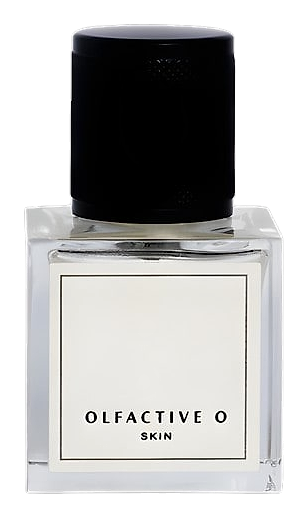
Skin arrived in 2019, composed by Olivia da Costa as the olfactory equivalent of a second skin. Not a costume. Not a statement. Something closer to a confession. The name does all the heavy lifting. The fragrance begins not with a burst but with a breath, a closeness that registers before you can name it. Where most compositions announce themselves with citrus flashes or bright accords that ask for attention, Skin simply arrives, settling onto the skin the way warmth settles into a room after the heat has been running for hours. There's no projection strategy here, no sillage engineered to fill a doorway. The composition reads as intention rather than performance, a deliberate softness that treats intimacy as the highest form of luxury.
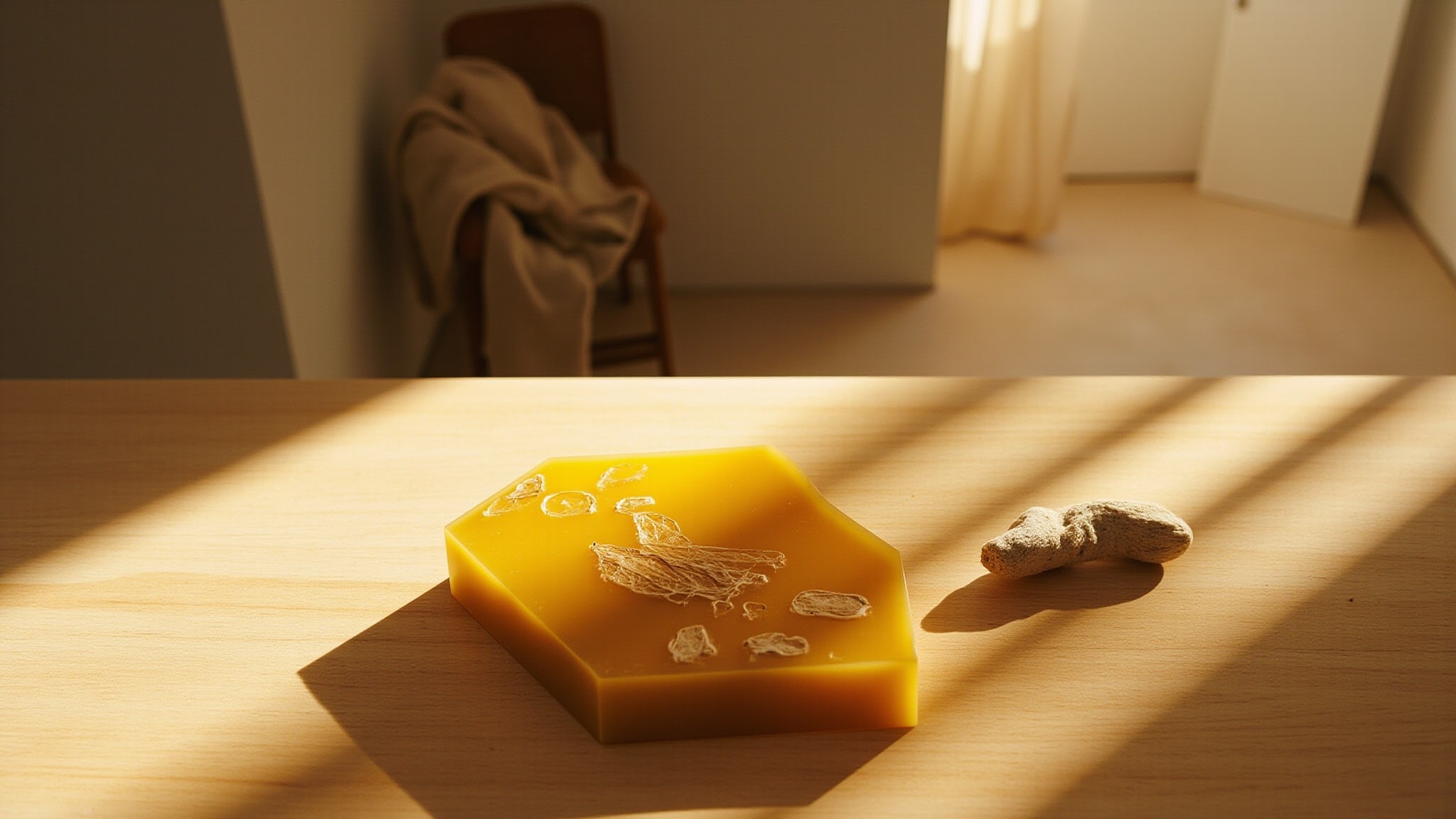
Beeswax absolute is the anchor. Wax doesn't open like citrus. It doesn't sparkle. It behaves more like a material than a top note, folding warmth into whatever sits beneath it, a slow-rising heat that wraps the composition in something tactile and lived-in. Pair it with orris, and the powdery iris root does the same thing, quiet but persistent, pulling everything down toward skin, lending a cool mineral edge that keeps the wax from becoming too rich, too heavy.
The evolution
The first half hour is beeswax and ambrette working as a single unit, waxy, slightly animal, faintly sweet in a way that reads more like a balm than a perfume. The ambrette carries a vegetal muskiness that doesn't smell like musk at all, more like the inside of a fig stem or clean linen left in the sun, dry and warm and faintly green. The wax softens the sharpness of everything around it, rounding each note into something that feels less composed and more inevitable. As the wax settles, orris surfaces, powdery and rooty, bringing a coolness that almost contradicts the warmth beneath it, a mineral hush that keeps the composition from becoming too food-like, too sweet. Cedar and sandalwood build the architecture, both quiet, both more about texture than presence, lending a dry woodiness that feels ancient and familiar at once.
Cultural impact
Skin is a composition that prizes closeness over projection, that asks the wearer to be comfortable with a fragrance that won't fill a room. Wearers who connect with it tend to be people who already know what they like and have stopped looking for approval. The fragrance operates in a register that rewards patience, that gives back to those who lean in rather than those who expect a scent to announce itself across a room. There's a confidence in its quiet, a trust that intimacy is worth more than impact.