The Story
Why it exists.
The beginning
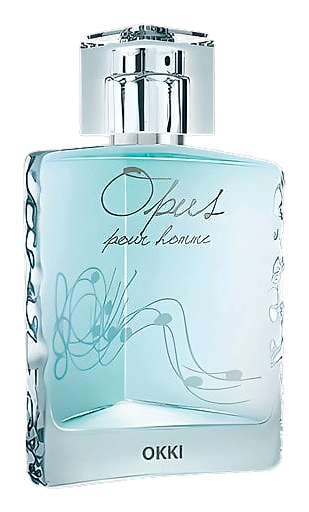
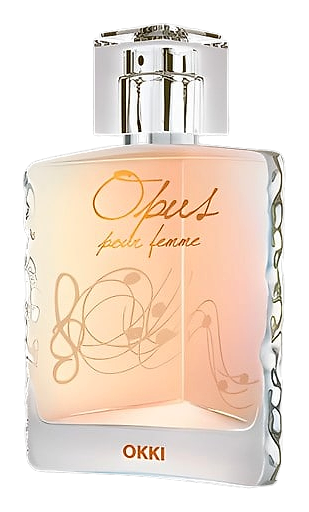
Opus pour Femme arrived in 2011 as part of a paired release with Opus pour Homme. The concept came from Olga Krutoy and her husband, composer and producer Igor Krutoy. Two fragrances released together, each occupying different olfactory territory while sharing a common origin. The structure of Opus pour Femme moves through contrast: a bright opening that captures attention immediately, an aromatic heart that gives the fragrance its defining character, and a grounded base that provides stability and presence. The name Opus references a musical work, a deliberate choice that signals ambition in the composition. The fragrance is built on contrast, its layers distinct yet connected, each phase carrying its own weight before passing the composition forward to the next.
The use of anise at the center of the heart is a notable structural choice in Opus pour Femme. Anise carries aromatic intensity that can easily overwhelm a composition if handled poorly. In this floral-fruity context, it occupies a different role than it might in other fragrance families. The floral notes interact with the anise, creating a heart that feels more layered than a standard floral arrangement would suggest. The blackcurrant contributes a darker, fruitier dimension that pairs unexpectedly well with the aromatic quality of the anise.
The evolution
The opening of Opus pour Femme presents a bright, tart impression with dark berry notes from blackcurrant alongside clean bergamot. The energy is immediate and direct. As time passes, the floral notes emerge and the anise becomes apparent. The anise makes its presence known in this transition, adding aromatic depth to the floral character. The composition then moves into a longer phase where florals and anise coexist, creating a more complex heart than the opening suggested. Eventually, cedar and musk take over as the dominant notes. The cedar provides dry, woody character while the musk adds warmth and intimacy. The overall impression becomes quieter and more personal as the fragrance settles. The blackcurrant remains detectable throughout, threading through the different phases and providing continuity from beginning to end.
Cultural impact
Opus pour Femme occupies a distinct space within the floral-fruity category. The inclusion of anise in a women's fragrance is uncommon, and its presence here creates a composition that stands apart from more conventional options in the genre. This distinctive character gives the fragrance a specific identity rather than blending into the general category of floral-fruity releases. The composition prioritizes personality over broad appeal, offering something with more defined edges than many alternatives in the market.
The House
OKKIOKKI is a fragrance house that emerged in the early 2010s, distinguished by its collection of refined scents spanning both women's and men's offerings. The brand developed a portfolio including La Muse (2012), Opus pour Femme (2011), La Muse Sensuelle (2013), and Opus pour Homme (2011). These releases suggest a focused approach to perfumery centered on a limited, carefully considered range of compositions rather than broad market expansion. The brand's identity draws on historical and mythological references, with its naming convention reportedly inspired by the legendary Euphrates River, though this origin story requires independent verification. OKKI occupies a niche position within the fragrance landscape, appealing to collectors and enthusiasts drawn to distinctive, independently-minded scent creation rather than mass-market accessibility.
The Creator
Nejla BarbirBarbir favors a structured approach, building compositions layer by layer. She often starts with a clear mineral or aromatic anchor, then weaves in floral or resinous heart notes that add depth.