
The Story
Why it exists.
The beginning
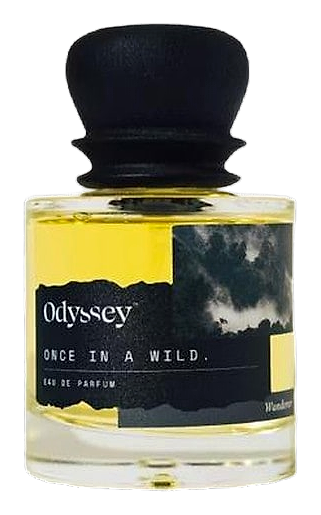
Perfumer Anunsith Wongkornvanich built the composition around a dense green forest idea, layering chypre tradition with modern construction. It reads as an attempt to bottle wildness without resorting to the obvious shorthand of smoke or leather. Instead, the wildness here is botanical, alive, a little bit dangerous in the way real undergrowth can be. The fragrance leans into vegetal materials with conviction, treating the green category less as an aesthetic choice and more as a structural one. Wongkornvanich's approach rewards patience; the composition doesn't announce itself so much as it grows on the skin, revealing layer after layer of foliage, resin, and shadow.
The note structure commits to a classic chypre architecture: bright citrus on top, green and resinous in the heart, a mossy-woody base. What keeps it from feeling like a museum piece is the animalic undertow. Civet in the base does what civet has always done in chypres, adds a bodily warmth that keeps the greens from going sterile. Nagarmotha, also known as cypriol, brings an earthy, vetiver-adjacent depth that grounds the more volatile top notes.
The evolution
The first ten minutes are a sharp green slap. Galbanum and rhubarb arrive almost simultaneously, tart and bitter, with lime cutting through the brightness. Bergamot softens the edges but doesn't tame them. This opening has the energy of snapping a stem in half and inhaling. As the composition shifts, patchouli and cypriol settle in, bringing a dark, rooty weight that pulls the scent downward and inward. The galbanum doesn't disappear; it deepens, turning from green-leaf-bright to something closer to damp earth after rain. The oakmoss arrives with its characteristic dry bitterness, and civet adds a soft, warm animalic hum underneath, locking the composition into a fully developed chypre identity. The drydown becomes something quieter and more personal. Cedarwood and amberwood smooth the rough edges.
Cultural impact
Once In A Wild rewards wearers who want green fragrances that still have bite, who find softer compositions too polite. The civet and galbanum combination is what polarizes: people who want their chypres challenging gravitate here, while those expecting a soft green aromatic tend to push back. The fragrance doesn't hide its sharp edges, and that refusal to compromise is precisely what gives it a loyal following among collectors who appreciate bold, opinionated perfumery. It appeals to a specific kind of wearer, someone who treats fragrance as a form of personal expression rather than a background accessory.