The Story
Why it exists.
The beginning
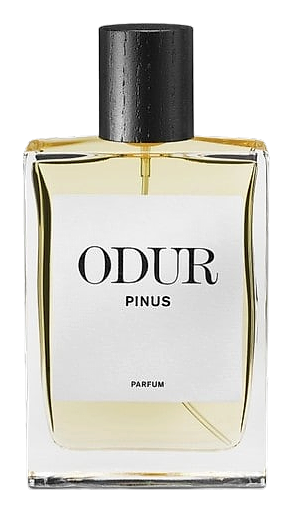
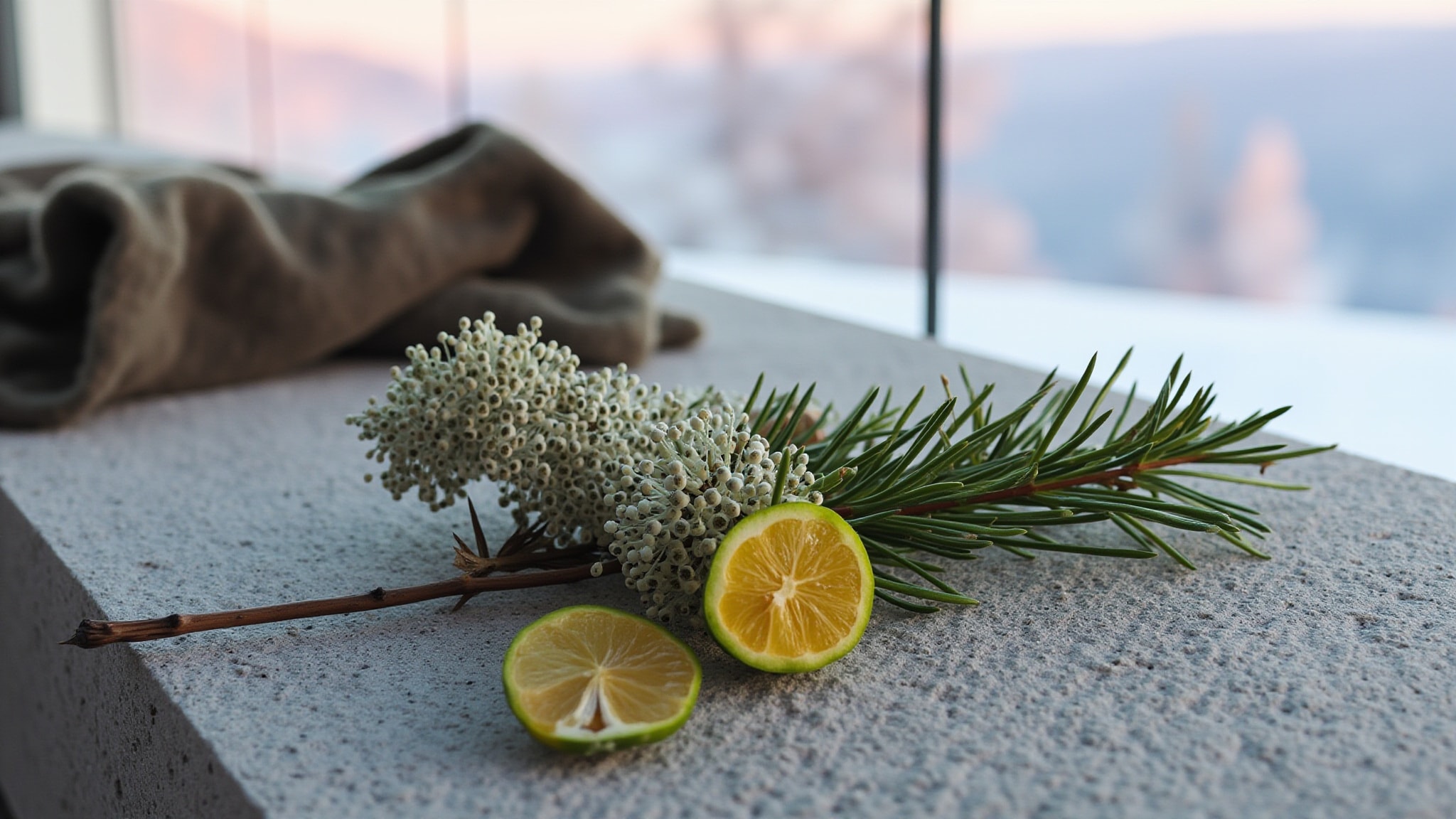
ODUR built Pinus around a single ingredient: oil of Pinus cembra, the Swiss stone pine. The fragrance launched in 2017, composed by Giovanni Sammarco, and it reads less like a perfume concept than like a postcard from one specific place on one specific kind of morning. No abstract pine accord. An actual botanical source, distilled with intention. The brief seems almost geological in its specificity. Sammarco layered grapefruit and bergamot over the top like a cold sunrise cutting through canopy, then anchored the heart with stone pine and a deliberate measure of patchouli to keep it from drifting into air-freshener territory. The base, myrrh and sandalwood and ambergris, is what keeps it on skin and in memory.
What's worth noticing is the patchouli decision. Here it sits right in the heart, shoulder to shoulder with the stone pine, and it's what gives the composition its particular gravity. Without it, Pinus would be a bright, pleasant, forgettable conifer sketch. With it, the forest feels rooted. The earth is in the room. The patchouli doesn't announce itself as patchouli in the conventional sense. It functions as a stabilizer, providing the kind of mineral depth that grounds the volatile top notes and keeps the stone pine from smelling like a cleaning product.
The evolution
First 20 minutes: the grapefruit and bergamot do their job, and they do it loud. Bright, almost bracing, with a green sharpness that could read as lemon balm if you weren't paying attention. The pine is already there underneath, but it's wearing a citrus coat and keeping its voice down. 30 to 90 minutes in, the citrus steps back and the heart takes over. The stone pine and patchouli settle into something that smells less like a product and more like a place. There's a resinous warmth building in the center, and the composition starts to feel like the sun finally reaching the forest floor after a cold start. After about 2 hours, the base arrives properly. Myrrh brings a soft sweetness that reads as incense rather than sugar. Sandalwood gives it a creamy backbone, the kind of quiet support that lets the other notes keep their character without competing for attention.
Cultural impact
Pinus occupies a particular place among fragrances that take forests seriously. Wearers who gravitate to it tend to be people who'd rather smell like a place than like a person, and the composition rewards that impulse by staying committed to its subject from first spray to drydown. The fragrance earns its loyalty through restraint rather than spectacle. There's no crowd-pleasing sweetness pulling focus from the pine, no aquatic breeze pretending to be mountain air, no synthetic shortcut giving you the shortcut's flat impression of conifer. What you get instead is a slow, layered portrait of one tree in one specific kind of light.