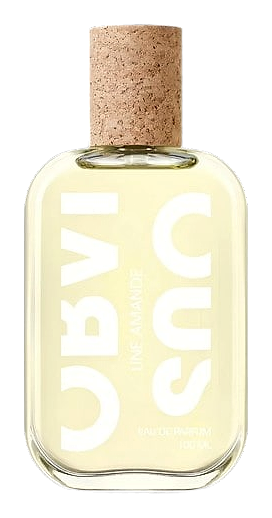
The Story
Why it exists.
The beginning
Une Verveine takes its name from verbena, the plant, not the concept. The fragrance was built around the herb's dual nature: bright citrus from its leaves, deep chlorophyll from its green. The brand's preference for straightforward compositions meant no excess, no layering for its own sake. Just verbena, done properly. The result is a scent that smells like crushed leaves and morning air, with a mineral undertone that adds depth without heaviness. The fragrance opens with an immediate burst of citrus that gradually settles into something earthier and more contemplative, showing how the same ingredient can shift depending on where you are in the wearing experience.
What makes this work is the honesty of the structure. Most green fragrances add complexity to cover the chlorophyll's sharpness. Here, Bourgeois leaned into it, galbanum amplifies the green rather than softening it. The ginger doesn't arrive as rescue; it arrives as contrast. Clean heat against cool herbal. The cardamom and juniper berries add an aromatic dimension that prevents the whole thing from reading as soap or air freshener. It's green, but it's also warm. It's therapeutic, but it doesn't smell like medicine.
The evolution
The opening arrives crisp, lemon verbena and bergamot hit fast, bright, almost sharp. Thirty seconds in, the galbanum softens the edges, and the ginger starts to build. The heart phase shifts the energy: the citrus fades into something more herbal, more grounded. The cardamom surfaces slowly, warm and slightly sweet. By the second hour, the juniper berries and galbanum hold the stage, an aromatic green that feels like crushed leaves on warm skin. The drydown settles into Haitian vetiver and white musk: clean, close, lasting into the evening. The next morning, a faint trace of vetiver still clings to the wrist.
Cultural impact
Une Verveine fills a specific gap in the modern fragrance landscape: green without the unisex soapiness, citrus without the sweet cocktail. It offers something herbal and distinctly therapeutic in character. The fragrance appeals to wearers who want something clean and honest, not quiet, exactly, but confident in its simplicity. There's a crispness to the opening that cuts through the noise of overly sweet or aggressively woody fragrances. The verbena note grounds the composition, preventing it from drifting into territory that's been claimed by countless other citrus-forward releases.
The House
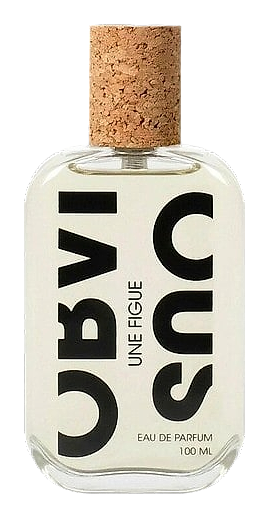
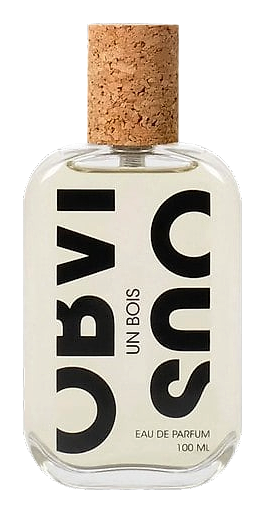
ObviousObvious Parfums is a Paris-based fragrance house founded by David Frossard, a veteran of the perfume industry whose career spans multiple respected houses including Frapin and L'Artisan Parfumeur. The brand takes its name as a statement of intent: simplicity as a form of honesty. Where many fragrance houses favor complexity for its own sake, Obvious strips the category down to its essence, producing clean, vegan perfumes that let raw materials speak without interference. The collection features single-ingredient signatures and uncomplicated accords, named with disarming directness: Une Figue, Un Bois, Une Pistache, Une Verveine. Each fragrance arrives in minimal, unadorned bottles that signal their contents rather than dress them up. Frossard's background as a former philosophy professor surfaces in the brand's deliberate anti-hedonistic stance, positioning perfume as revelation rather than disguise.
The Creator
Amélie BourgeoisBourgeois works within classical perfumery structures but pushes against the expected. She favors material combinations that surprise, finding harmony in contrasts others might avoid.