
The Story
Why it exists.
The beginning
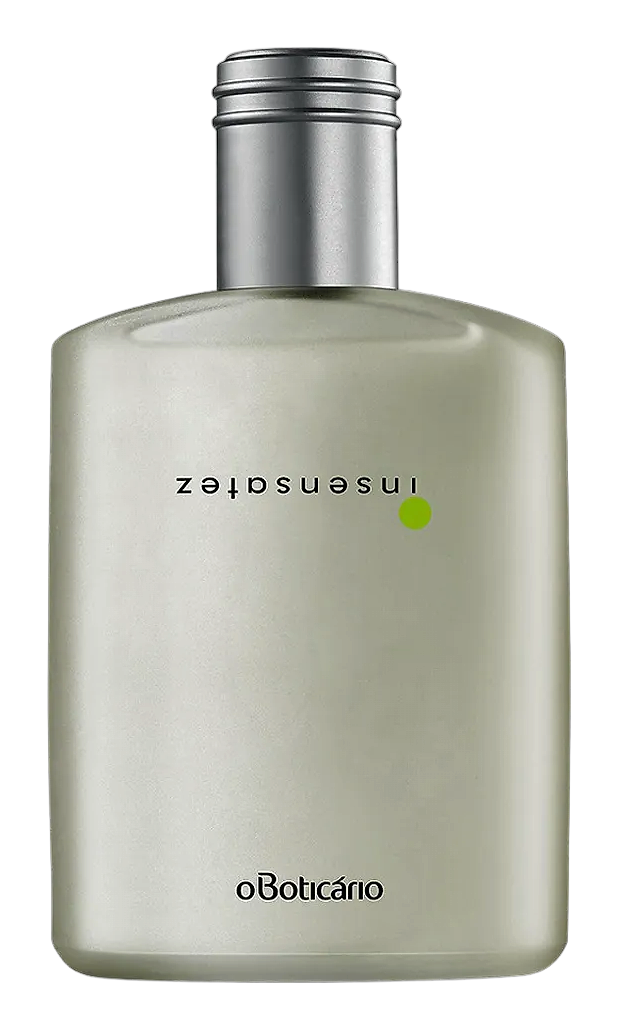
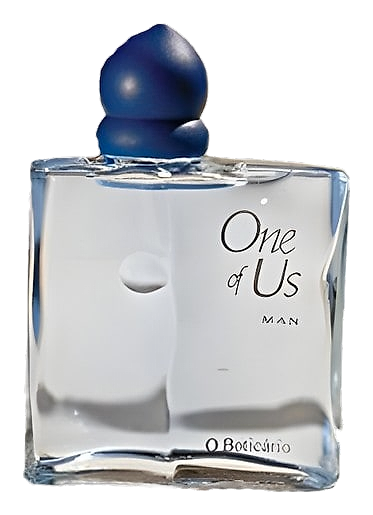
One of Us landed in 1997 as part of O Boticário's deepening catalogue, a Brazilian house that had spent two decades translating its landscape into scent. Where other releases leaned into bold tropical statements, One of Us took a different angle: a masculine built on restraint, the kind that arrives without announcement and stays without trying. The name itself suggests something democratic, inclusive, not the fragrance for someone who needs to stand apart, but for someone comfortable being part of something larger. It arrived as part of a broader growth strategy for the brand, and One of Us represented something quieter within that expansion, a bet on subtlety in a market that often rewarded loudness.
The note structure tells the story. Basil and lavender sit together at the top, an aromatic pairing that usually pulls masculine fragrances toward the soapy or the herbal. Here, bergamot keeps the citrus thread alive without brightening the composition into something forgettable. The heart layers cyclamen and lily of the valley against cedar, florals that don't announce themselves as florals, softened by wood that doesn't announce itself as wood. It's the kind of pyramid where nothing fights, nothing shouts. The base of musk and sandalwood keeps the drydown skin-close, intimate, the kind of fragrance that leaves a room and takes something with it.
The evolution
Bergamot retreats first, that initial citrus brightness giving way as the composition settles into its true character. What follows is a basil-lavender duet, now fully warmed by skin heat, aromatic and herbal without veering into soapy territory. Cedar threads through the florals with a dry, slightly pencil-shaving woodiness that keeps the masculine credentials intact. The cyclamen and lily of the valley do not announce themselves; they soften the cedar, keep it from pulling clinical. Sandalwood emerges in the heart of the wear, warmer and milkier than the cedar, blending with musk to create a close-body effect that lingers near the skin rather than projecting outward. The drydown is subtle rather than dramatic, the point being that this fragrance never demands attention, it simply remains present, a quiet companion throughout the day.
Cultural impact
One of Us arrived in 1997 at a moment when the Brazilian fragrance landscape was evolving. The composition's restraint, its quiet confidence, positioned it as something distinct in a crowded market. The fragrance did not rely on projection or demand attention, it simply existed, comfortable in its own skin. That quiet confidence found its audience among men who appreciated subtlety over spectacle, those who wanted a scent that felt authentic rather than performative. The fragrance's inclusive spirit and democratic sensibility resonated with consumers seeking something genuine.