The Story
Why it exists.
The beginning
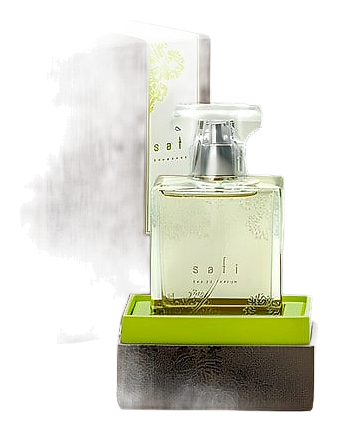
Nyakio Grieco launched Safi in 2008, stepping from her bath and beauty background into a fragrance composition inspired by her African heritage. The formula was composed by perfumer Sarah Horowitz-Thran, whose work spans indie and boutique projects across the American fragrance scene. Safi draws on tropical fruit and white florals as its lead materials, opening with a bright, generous fruit accord and settling into something softer and more grounded beneath. The composition reads like a first bridge between bath-and-body sensibility and fine fragrance ambition, rooted in heritage that predates the brand. It's a debut that translates cultural identity into scent, filtering sweetness through structure rather than letting it run unchecked.
What makes Safi interesting isn't the fruit. It's the base. Muhuhu wood brings a dry, papery bitterness that grounds the sweetness above it, reading more like smoke than syrup. Papyrus adds a mineral quality, almost like the smell of old paper drying in warm air, lending an unusual texture to the drydown. Bamboo keeps things cool and green, threading through the heavier notes and preventing the blend from feeling dense. The combination creates a base that feels grounded, earthy, and faintly architectural, a structure that holds its shape rather than melting into the skin.
The evolution
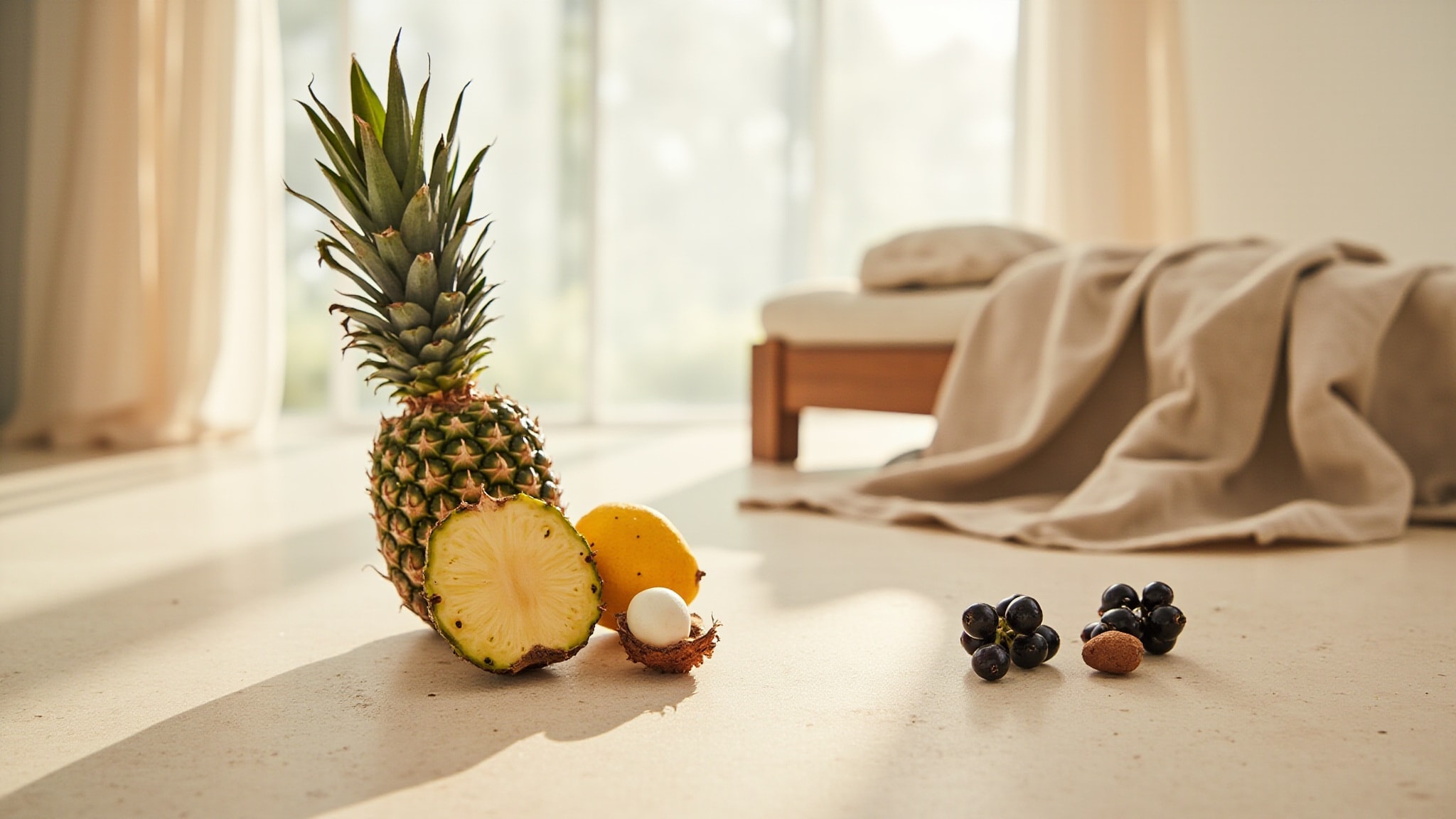
Safi opens loud and generous. Blackcurrant, lychee, and pineapple hit in quick succession, sweet and slightly sharp, the way biting into cold fruit on a hot day feels. That opening holds for roughly twenty to thirty minutes before freesia, neroli, and stargazer lily push through. The white florals arrive soft, almost translucent, with neroli giving a clean bitter edge that keeps the fruit from becoming sticky. The transition is the best part: the brightness doesn't vanish so much as get filtered through the petals, turning from juice into something more like steam. By hour two, the base settles in. Muhuhu wood brings a dry, woody warmth that reads almost smoky without actual smoke. Papyrus adds that papery, slightly mineral quality, like the smell of old books left in sunlight. Bamboo keeps the whole thing from getting too heavy, lending a green, clean thread that runs underneath.
Cultural impact
The name itself signals its intent, with 'safi' carrying meaning rooted in African heritage, an anchor that shapes the composition's identity. Within indie fragrance circles, Safi is remembered for its unconventional base of muhuhu wood and papyrus, two materials that bring a dry, earthy, almost architectural quality to what might otherwise read as a straightforward tropical-fruity floral. The fruit opening is generous and bright, but the wood and paper notes underneath give the fragrance a structure that resists sweetness.