Stargazer lily
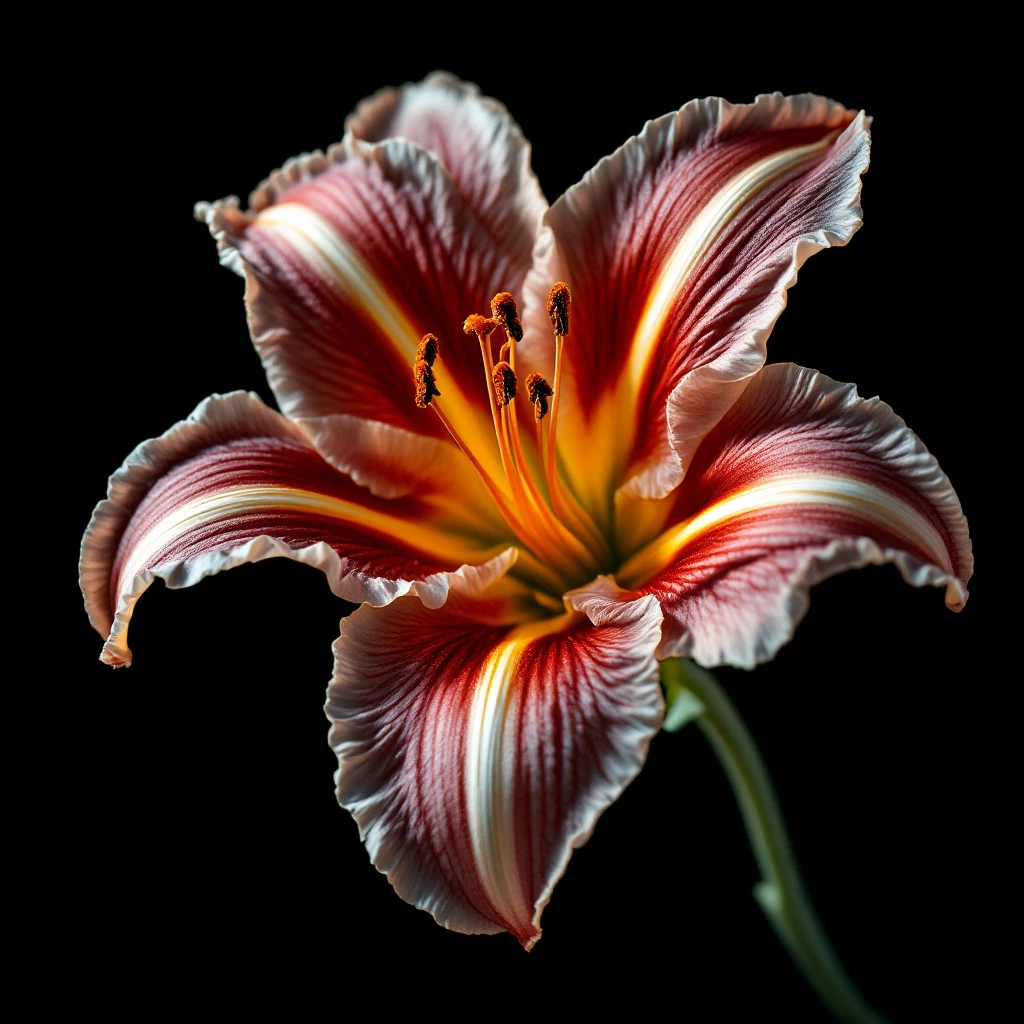
A bold, upright bloom born from a single act of horticultural rebellion. The Stargazer lily faces the sky where others bow, bringing its intoxicating creamy-floral signature to modern perfumery.
Character
How it smells
The sky-facing lily that changed florals forever.
It was designed to look up. Leslie Woodriff specifically bred the Stargazer to face skyward, breaking centuries of lilies that drooped earthward.




Origin
United States
The Stargazer lily entered the world in 1974, created by Leslie Woodriff in California. Woodriff had spent years crossbreeding Lilium speciosum with Lilium auratum, searching for a specific trait: an upward-facing flower. Most lilies in cultivation at the time faced the ground, their heavy petals pulling the blooms earthward. Woodriff named his creation the Stargazer, a deliberate declaration of intent.
The variety quickly became one of the most popular cut flowers in the world. In perfumery, lilies have a longer and more complex history. While ancient Egyptians and Romans used fragrant flowers broadly, lily of the valley only became a standard perfumery ingredient in the 19th century as extraction techniques improved. True lily absolute is rarely used as a solo note; instead, its character informs floral bouquets and muguet compositions.
The Stargazer lily added a new dimension to this tradition, offering perfumers a bold, almost tropical-floral note that reads as both creamy and radiant. Today it exists more as an olfactory reference point than a sourced material, shaping how modern fragrances articulate white floral warmth.
Wears it best
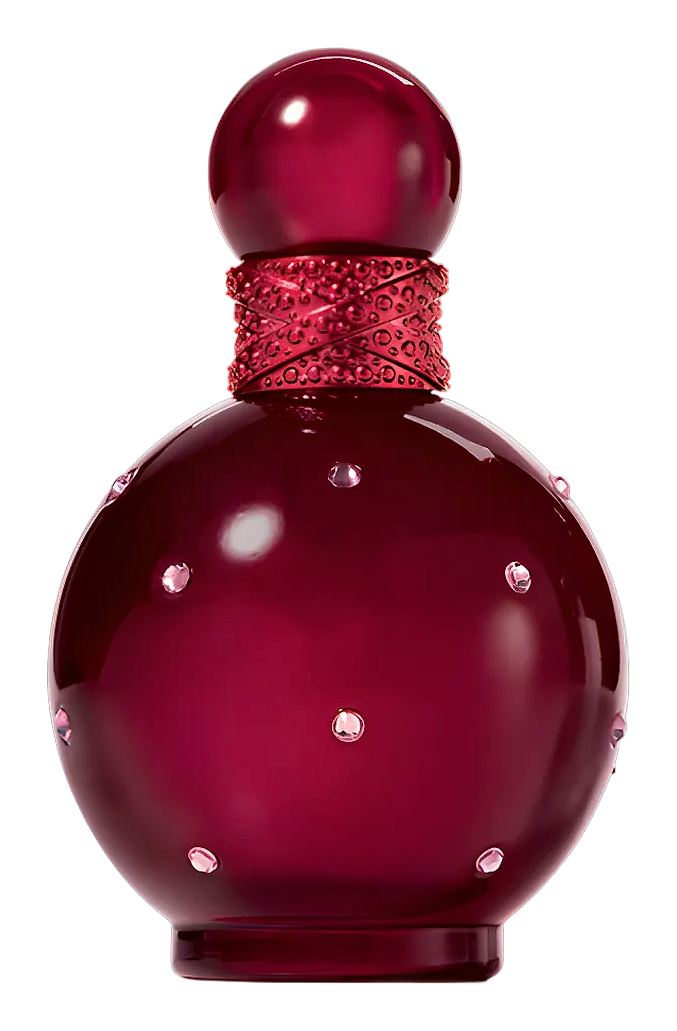
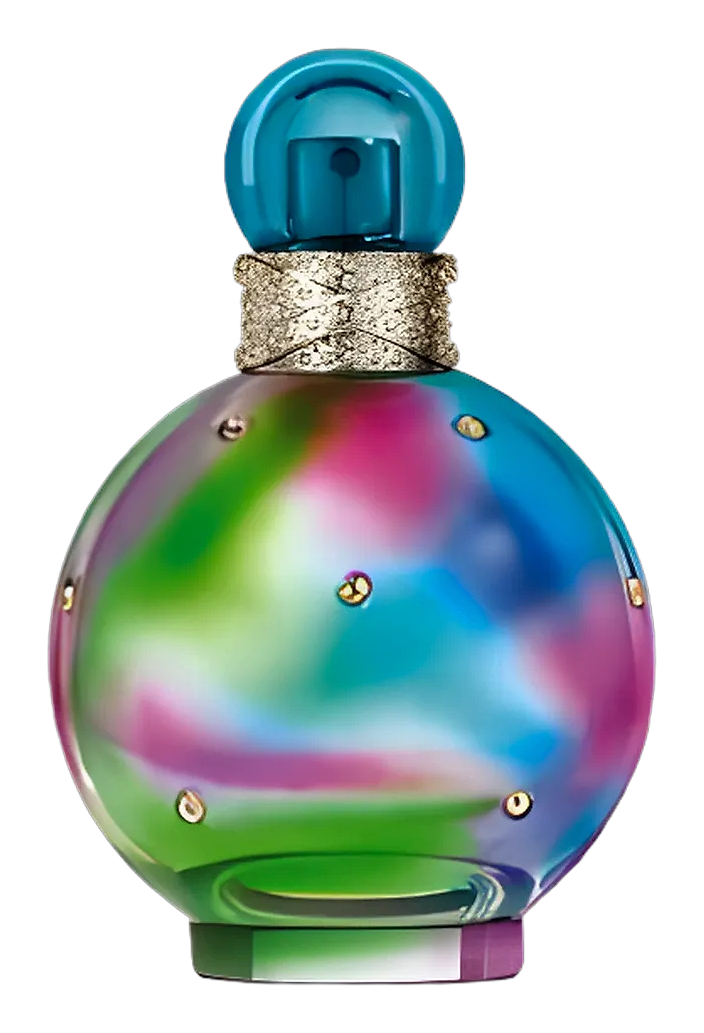
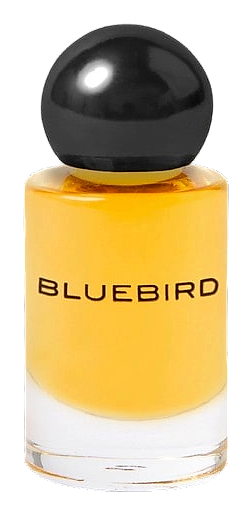
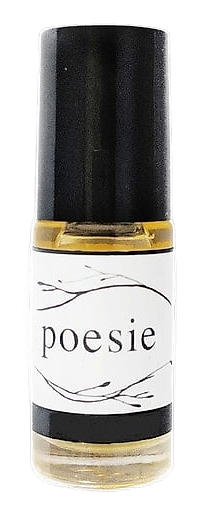
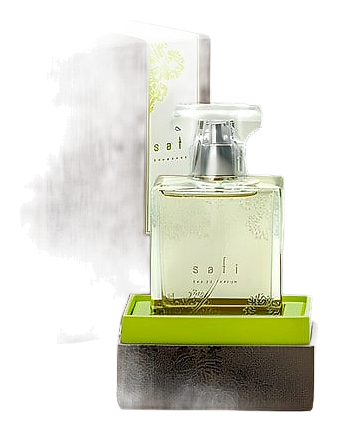
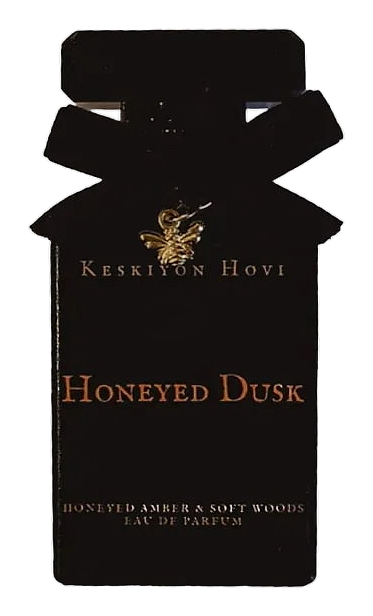
Fragrances featuring Stargazer lily
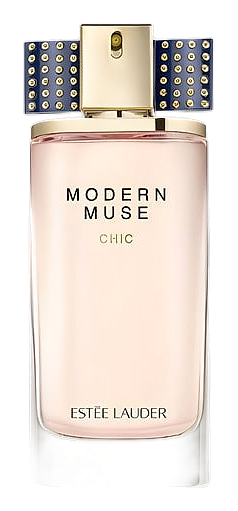
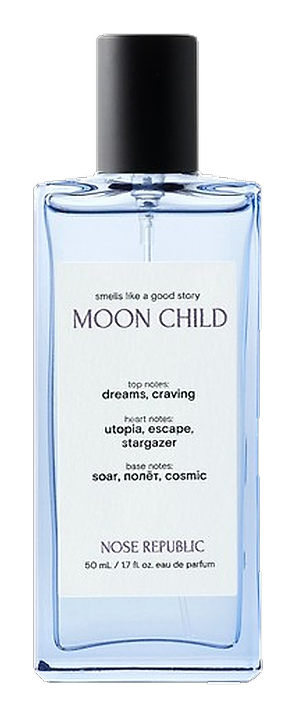
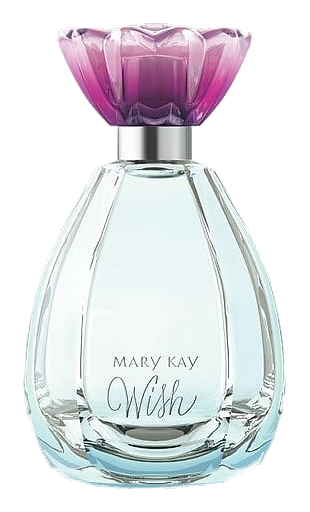
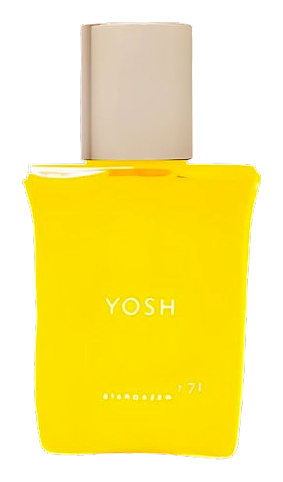

Brands
Brands known for Stargazer lily
Good to know
Questions, answered
The essentials on Stargazer lily in perfumery: how it smells, where it comes from, and how it behaves on skin.
Is Stargazer lily used as a natural perfumery ingredient?
Rarely. True Stargazer lily absolute is nearly impossible to source commercially. Natural lily materials come primarily from Narcissus poeticus absolute, while the Stargazer character is recreated using reconstructed accords combining natural and synthetic molecules.
What does Stargazer lily smell like?
Fresh, green, and creamy. The flower carries a warm, almost tropical-floral character with sweet undertones. Hydroxycitronellal is one of the primary aroma chemicals used to capture this profile in perfumery.
How is Stargazer lily used in fragrance?
It functions as a white floral anchor in heart-note compositions. Perfumers use it to reinforce the creamy quality of tuberose, jasmine, and ylang, adding green freshness that prevents florals from becoming too heavy.
When was the Stargazer lily created?
1974. Leslie Woodriff, a lily breeder in California, created the hybrid by crossing Lilium speciosum with Lilium auratum specifically to produce an upward-facing bloom.
Can you extract essential oil from Stargazer lilies?
Not practically. Lilies lack the volatile oil concentration needed for conventional distillation. Solvent extraction produces a concrete, but yield is low and quality inconsistent, making synthetic recreation the industry standard.
What makes Stargazer lily different from other lilies in perfumery?
Its sheer size and bold presentation translate into a more assertive scent profile. Oriental lilies like Stargazer contribute a stronger, almost indolic character compared to the lighter Madonna lily used in classical perfumery.
Where is Stargazer lily cultivated for perfumery use?
Commercial cultivation for fragrance is limited. Most lily materials used in perfumery come from Narcissus poeticus grown in France. The Stargazer itself is primarily a cut flower crop, grown for weddings and bouquets.
What molecules define Stargazer lily's scent?
Hydroxycitronellal provides the fresh, green character. Linalool contributes sweet floral warmth, while phenylacetaldehyde adds a subtle honeyed nuance. These three molecules form the backbone of most synthetic lily accords.