The Story
Why it exists.
The beginning
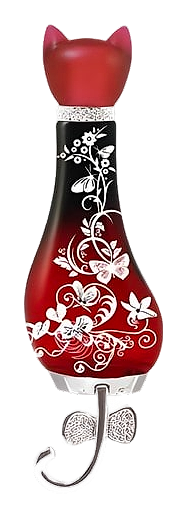
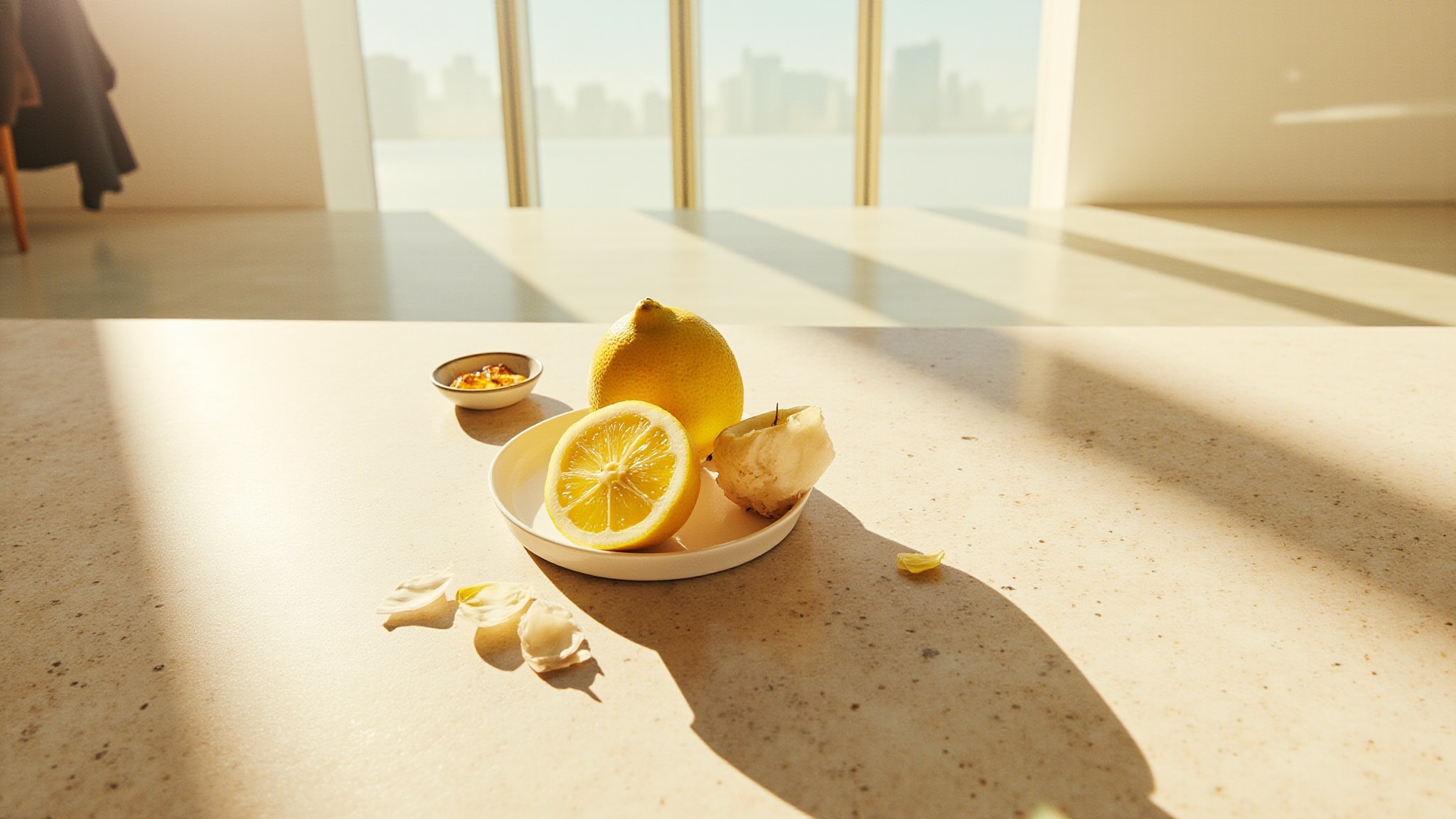
The name says everything. Papillon, French for butterfly. Light, fleeting, impossible to hold for long. That's the idea baked into this composition from the start: a fragrance that opens bright and never overstays. No ceremony, no heritage story attached to Papillon specifically. Just a simple concept translated into scent: citrus brightness giving way to white florals, settling into amber warmth. The opening sparkles with lemon and black tea's bitter elegance, a quick citrus-bitter introduction that announces itself then steps back. White florals follow, jasmine's creamy depth, lily of the valley's green freshness, rose's subtle blush. Amber warmth wraps everything in a soft, lingering embrace. Wings open, wings fold, something stays.
What makes Papillon interesting isn't any single material, it's the arc. The top hits of citrus fruits and black tea don't compete; they arrive together, the bitter edge of tea keeping the lemon from going too sweet. The heart is traditional: jasmine, lily of the valley, rose. Predictable, yes, but executed with restraint. Lily of the valley is the connective tissue here, it's green without being sharp, floral without being loud. Paired with jasmine's cream and rose's blush, it creates a white floral trio that doesn't assault the senses. The jasmine arrives creamy and certain.
The evolution
It starts sharp. Lemon and black tea hit together, a quick citrus-bitter opening that announces itself then steps back. The orange blossom smooths the transition, it's the bridge between top and heart, sweet and slightly waxy. Then the white florals take over. Jasmine first, pushing forward with its characteristic indolic cream. Lily of the valley follows, quieter, bringing a green freshness that keeps the jasmine from becoming too heavy. The rose appears last, barely there, a blush of petals rather than a full bouquet. The drydown is the quietest part and the longest lasting. Sandalwood arrives first, creamy and dry. Amber builds underneath, warm and resinous. Musk is the final note, not animalic here, just clean skin-warmth that extends the wear by hours. The progression moves gracefully from citrus brightness through florals into warmth. On fabric, the citrus fades within two hours.
Cultural impact
Papillon positioned itself as an accessible entry point into Novae Plus's catalog, introducing the brand's approach to bright, daytime-appropriate scents. While not a revolutionary release, Papillon represents a particular moment in perfumery when fresh, uncomplicated compositions were highly valued by mass-market audiences. Citrus florals dominated mainstream designer releases during this period, appealing to consumers entering the fragrance world. The scent captures a specific sensibility, bright opening notes that don't overwhelm, florals that feel contemporary rather than classic, and a warmth that lingers without announcing itself.