
The Story
Why it exists.
The beginning
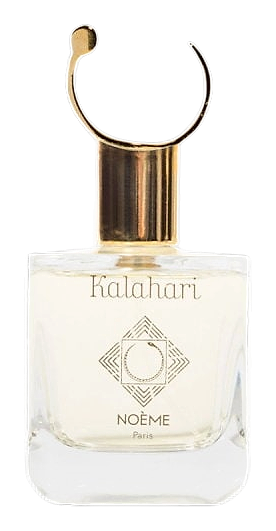
The desert is a metaphor here, immensity, softness, hardness. Solitude that isn't empty. Kalahari captures that. Majda Bekkali built this fragrance around the language of the desert: wild, pure, intact. Warm spices meet cool aromatics in a layered composition that speaks in contradictions. The unusual pairing of ambrette and cashmere wood sets it apart from the usual warm spicy oriental playbook. Quiet intensity. That's the thing.
Kalahari walks the line between warm spice and cool aromatics, a tension that makes it interesting. The ambrette and cashmere wood combination is the real differentiator. Cashmeran gives that soft, close-to-skin warmth without heaviness. Ambrette adds a natural musk quality that keeps things intimate rather than projecting. Together they create a drydown that reads as both synthetic and intimate, which is either the fragrance's greatest strength or its main weakness, depending on who you ask.
The evolution
The opening hits fast, bergamot and cardamom surge for the first 10-15 minutes, all citric brightness and sharp spice. Then the saffron deepens everything, moving from clean lift into something darker and more resinous as the heart emerges. The heart is cedar and labdanum, waxy, close to the skin, with amber holding everything together without becoming sweet. The ambrette musk keeps things intimate, never projecting. This middle phase lasts several hours. The drydown is where frankincense takes over, with cashmere wood and ambrette musk creating a dry, papery warmth that lingers on fabric and skin long after the spices fade.
Cultural impact
Kalahari has found its audience among those who want warm spice and amber without heavy projection. The Cashmeran and ambrette combination gives it a modern character, soft, close, intimate. Think of it as the desert translated into a modern context: vast, quiet, full of secrets. A niche fragrance for those who appreciate warm, slightly smoky woods with spice and amber. Neither loud nor invisible. Just present.