
The Story
Why it exists.
The beginning
Pretty Nina arrived in 2009, part of a lineage from the house's earlier fragrance Nina. The composition opens with a bright citrus burst that immediately catches attention. Olivier Cresp designed this one with a modern fairy tale in mind, a story of joyous, flirty seduction played out in fruit and flower notes. The top notes feature a crisp grapefruit quality that gives way to a heart of green apple and raspberry. The overall composition moves from bright and tart toward something warmer and more inviting as it develops. The drydown settles into a gourmand territory where caramel and vanilla provide a cozy, intimate finish that feels both playful and sophisticated. It's a fragrance that balances accessibility with personality, capturing the spirit of youthful charm in a bottle.
What makes the structure interesting is the tension running through every layer. Grapefruit opens sharp and sparkling, clean, almost astringent. Then the green apple and raspberry arrive to soften that citrus edge into something rounder, more approachable. The jasmine doesn't dominate; it weaves through the fruit rather than sitting on top of it. And at the base, the caramel and vanilla create a gourmand warmth that stays close to the skin rather than projecting outward. The result is a fragrance that doesn't commit fully to any one register. It's fruity without being juvenile. Sweet without being dessert. Floral without being powdery.
The evolution
The opening is immediate: grapefruit hits first, bright and tart, the kind of sharpness that wakes you up. Thirty minutes in, the green apple and raspberry take over, sweeter, rounder, the flirtation shifting from sharp to playful. The jasmine shows up quietly, more of a supporting character than a lead. By the second hour, the drydown announces itself. Caramel and vanilla settle in together, the musk adding a skin-close warmth that lingers close to the wearer. The progression feels intentional, each stage flowing naturally into the next. The fruity heart provides a smooth transition to the warm base, creating a cohesive narrative arc from citrus brightness through playful fruit to cozy gourmand comfort.
Cultural impact
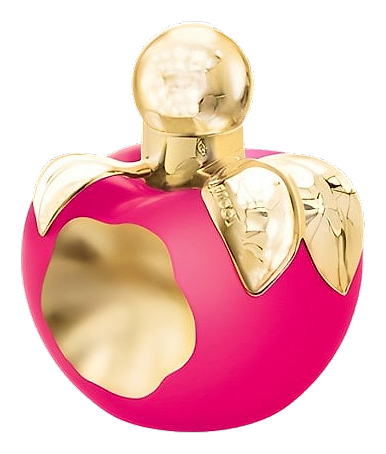
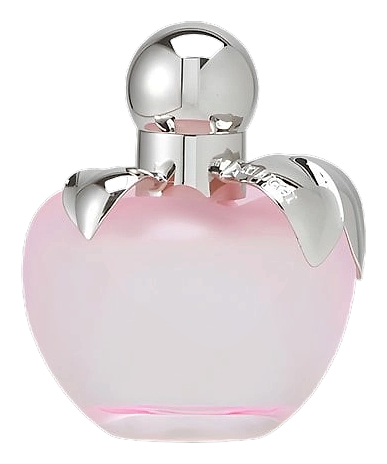
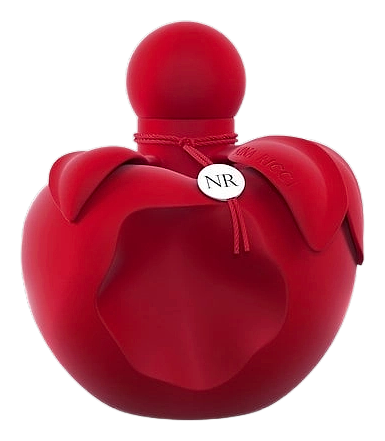
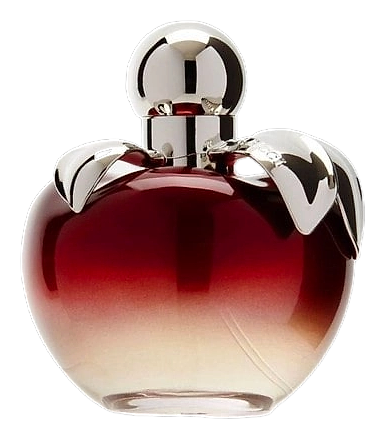
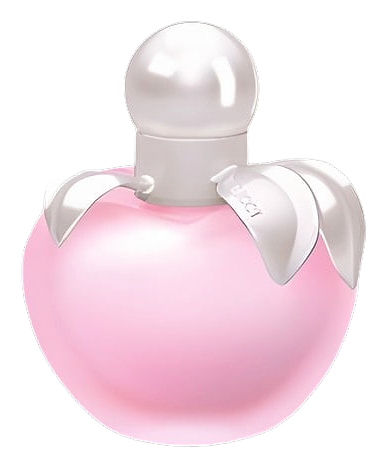
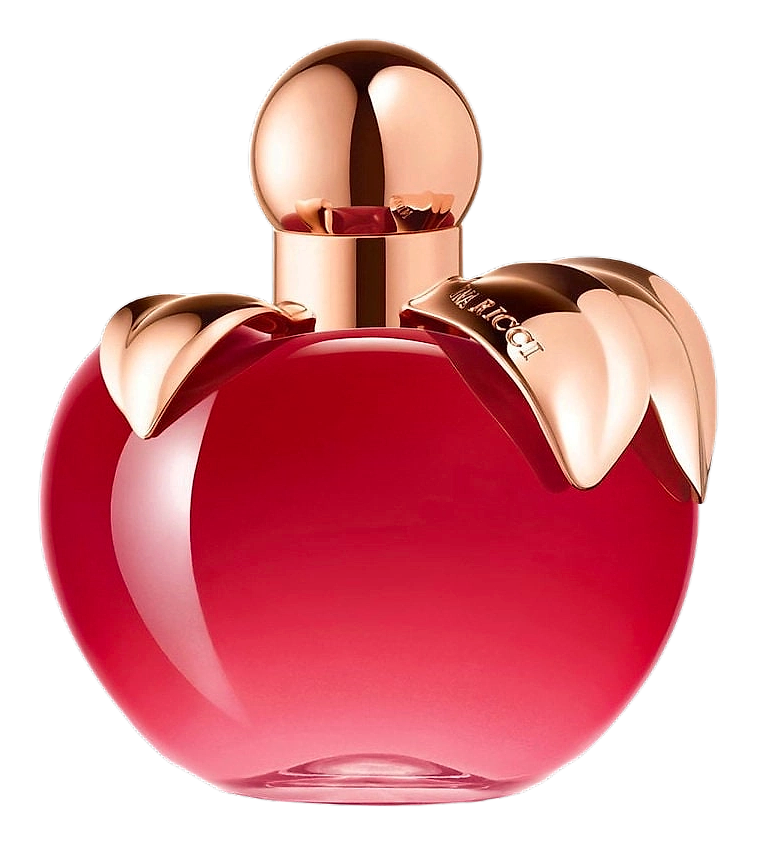
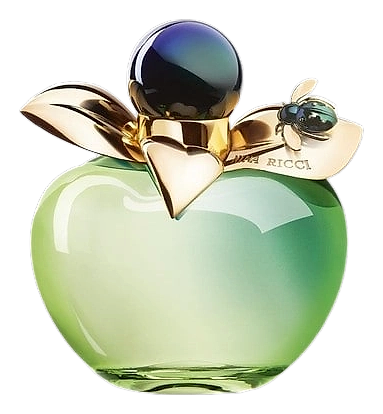
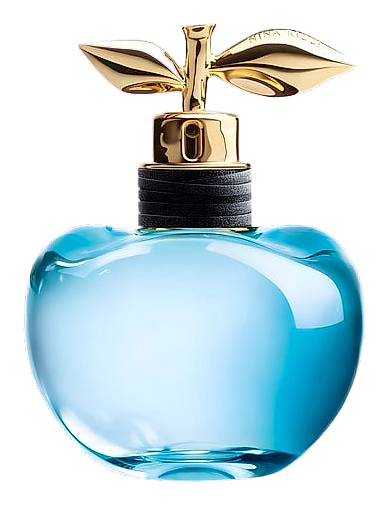
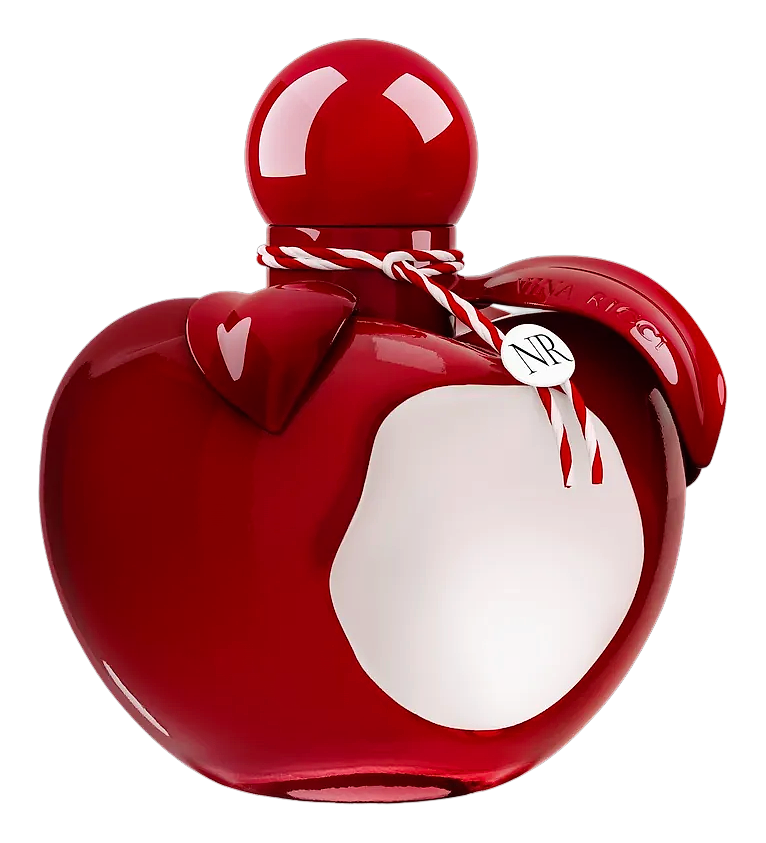
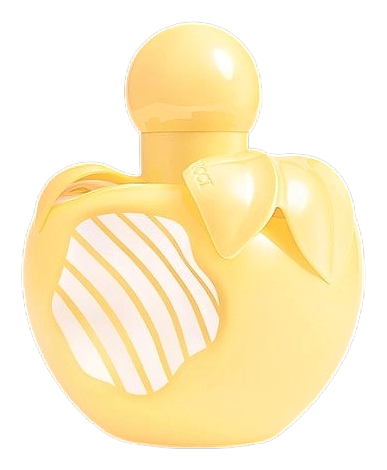
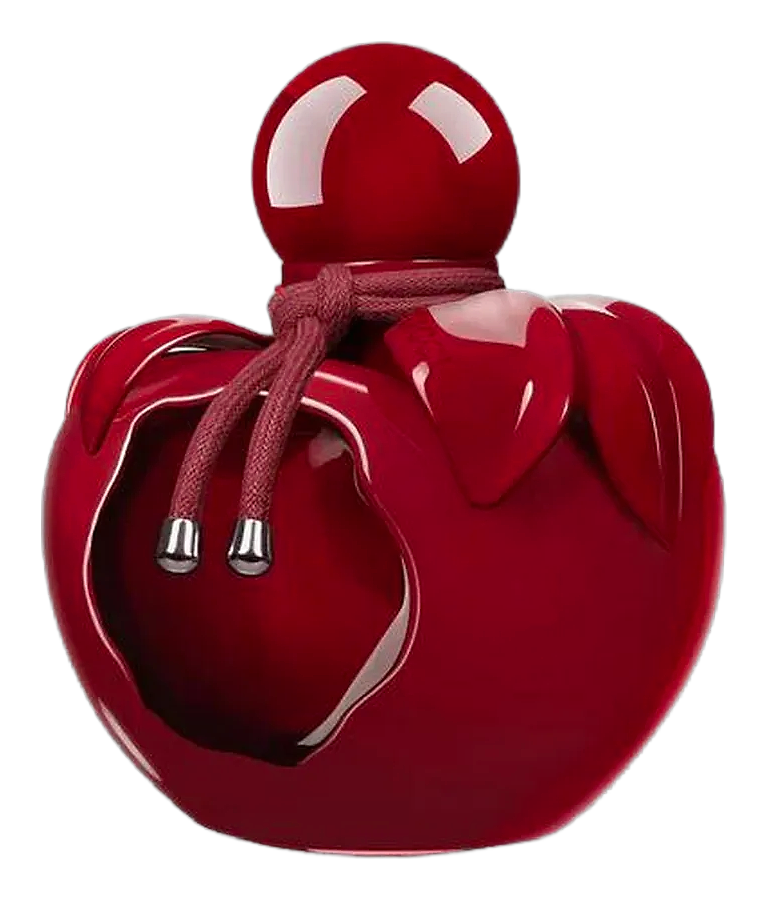
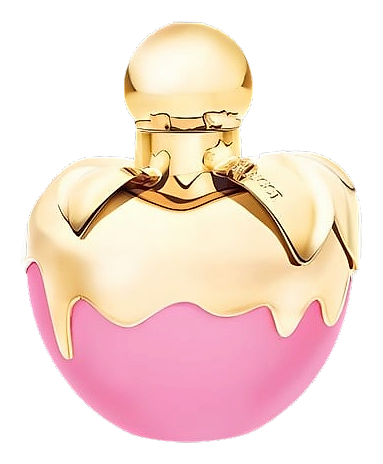
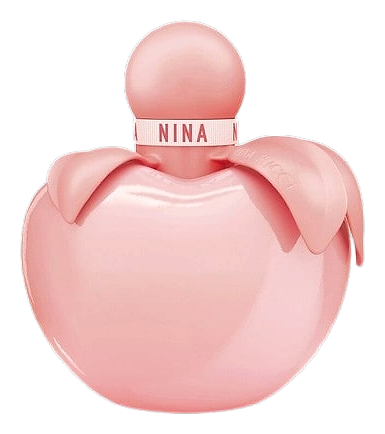
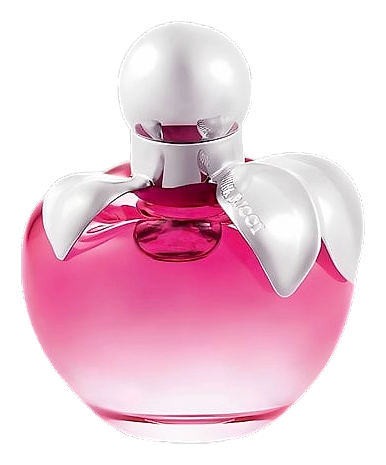
Pretty Nina arrived as part of a broader moment when fruity-floral fragrances captured mainstream attention. The Nina Ricci line resonated with a wide audience, offering something that felt both accessible and distinctive. The apple-shaped bottle design stands out within the fragrance community, its playful silhouette drawing attention on shelves and in photographs. Within the fruity-gourmand space, Pretty Nina demonstrated how bright citrus openings could bridge into sweet caramel bases effectively, showing that sweetness and sophistication could coexist.
The House
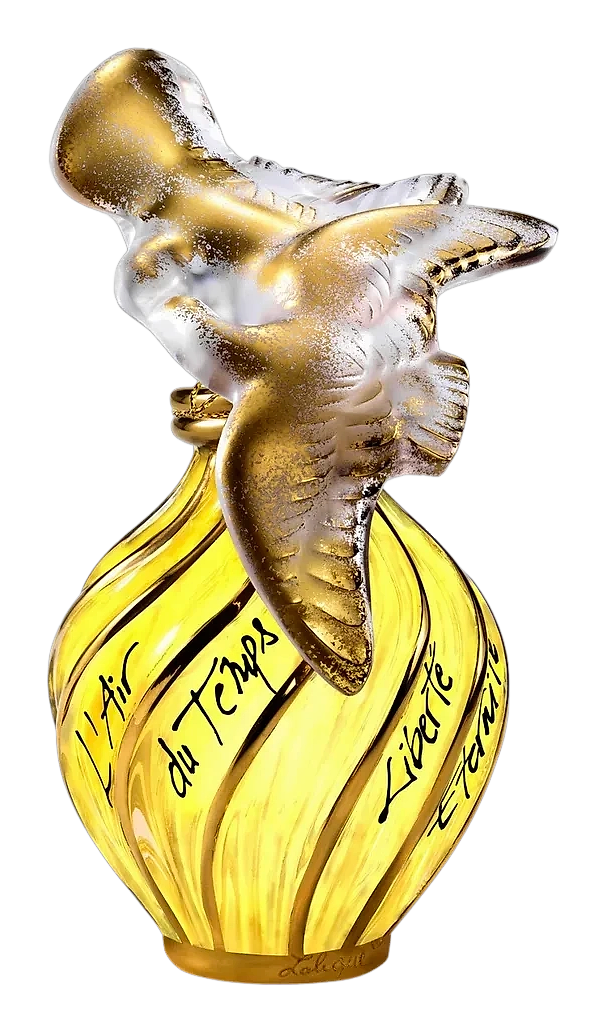
Nina RicciNina Ricci is a Parisian fashion house founded in 1932 by Italian-born designer Maria "Nina" Ricci and her son Robert Ricci. The house began as a couture salon on Rue Haussmann, quickly establishing a reputation for refined, feminine gowns with romantic sensibility. Robert established an in-house perfume division in 1941, though the first fragrance would not arrive until 1946. That inaugural scent, Coeur Joie, marked the beginning of a partnership with Lalique that would define the house's olfactory identity. The house introduced its most celebrated fragrance, L'Air du Temps, in 1948, a scent that remains in production decades later. Puig acquired Nina Ricci in 1998, bringing the house under the same ownership that manages Carolina Herrera and Jean Paul Gaultier. Today, the fragrance collection spans from timeless classics to contemporary offerings like the Nina line, maintaining the house's commitment to feminine elegance.
The Creator
Olivier CrespCresp's signature style often features a blend of fresh, clean notes with warm, comforting accords. He's known for his masterful use of fruit notes, particularly fig and berries, which he often combines with florals and musks to create scents that are both inviting and sophist…