
The Story
Why it exists.
The beginning
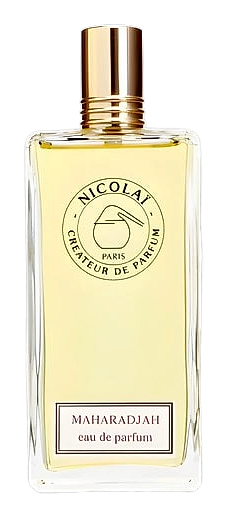
Maharadjah. A great ruler. A king who commanded palaces and attention. Patricia de Nicolaï named this 2006 fragrance after the regal character she envisioned in the blend. She built it around lavender, one of perfumery's most aromatic materials, then layered in coriander and mint for coolness, cinnamon, clove, and carnation for warmth, and anchored it all in sandalwood, patchouli, and vanilla. A classical structure interpreted with quiet conviction.
What makes this unusual is the structure itself. Lavender typically plays a supporting role, here it takes the throne. The opening coolness of mint and coriander gives way to lavender's aromatic dominance, but the spices are always present underneath. Cinnamon, clove, and carnation build warmth that cuts through the floralcy, while sandalwood, patchouli, and vanilla create a base that refuses to fade. It's a lavender oriental, which is rare. This one puts lavender front and center, and it works.
The evolution
Mint and coriander arrive first, crisp, herbal, a cool opening. The mint fades within minutes. Coriander bridges the transition. Then lavender arrives and takes over. It dominates the middle phase, but the spices are there too, cinnamon, clove, and carnation weaving warmth through the aromatic floralcy. It feels rich, commanding. The drydown is where it settles: sandalwood, patchouli, and vanilla grounding the lavender into something warm and intimate. Moderate sillage means it stays close, but it lingers. The next morning, there's a faint trace of vanilla and patchouli on skin, a whisper of what was.
Cultural impact
Maharadjah has built a loyal following among those who appreciate bold, aromatic orientals. Its lavender-dominant structure sets it apart from typical oriental florals. Wearers describe it as the scent of someone who commands a room without raising their voice, present, warm, and unapologetic.