
The Story
Why it exists.
The beginning
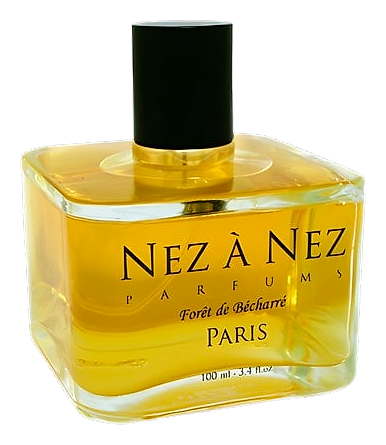
Forêt de Bécharré is Karine Chevallier's interpretation of a cedar forest in Lebanon, translated through the Nez à Nez lens of scent as cultural conversation. The brief invited her to capture something elemental about Mediterranean woodlands rather than a literal translation of botanical notes. Chevallier worked with the tension between openness and density, the way a forest canopy filters light before giving way to undergrowth. Grapefruit and licorice anchor the top, representing the clearings and the aromatic herbs that grow at forest edges. The heart moves inward, toward cedar, grass, hazelnut and cinnamon, the dense sensory core of woodland. Vanilla, ambergris and leather form the base, the earth and bark and the forest floor after rain. Nez à Nez positioned this as a dialogue between place and memory, inviting wearers to bring their own forest to mind.
What makes this composition unusual is the licorice. Paired with grapefruit, it creates an opening that is simultaneously bright and astringent, citrus and anise pulling in different directions before cedar intervenes. The hazelnut in the heart is subtle, more texture than note, lending a roasted warmth that prevents the cedar from reading too clean or masculine. The grass accord grounds the green without becoming sharp or aquatic. Leather appears late, integrated into the base rather than announced, giving the drydown a worn-in quality that contrasts with the crisp opening. Chevallier balanced restraint throughout, building complexity through layering rather than volume.
The evolution
The grapefruit opens sharp and clear, lasting perhaps twenty minutes before the licorice emerges to complicate it. That transition is the fragrance's most interesting moment, the shift from straightforward citrus to something more ambiguous. Cedar arrives around the thirty-minute mark, smoothing the edges, bringing warmth and a faint resinous quality that becomes more pronounced as the heart develops. Hazelnut and cinnamon weave through the cedar, the nuttiness and spice building quietly over the next few hours. By hour three, the base begins to assert itself. Vanilla appears first, soft and persistent, followed by leather that grounds everything without dominating. The drydown holds for another three to four hours on most skin types, settling into a quiet amber-leather that remains close and intimate rather than projecting outward.
Cultural impact
Forêt de Bécharré arrived in 2016, a period when independent perfumery was gaining serious momentum in Paris. Nez à Nez positioned itself as a collective that prioritized perfumer autonomy over commercial constraints, and Chevallier's cedar forest concept tapped into a broader trend toward place-based storytelling in niche fragrance, translating specific Mediterranean landscapes into olfactory form. The grapefruit-licorice pairing was unconventional for woody compositions at launch, deliberately subverting expectations that cedar fragrances would open with bergamot or vetiver. This unconventional opening reflected a growing appetite among fragrance enthusiasts for compositions that challenged rather than comforted.