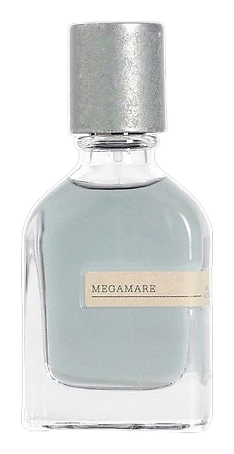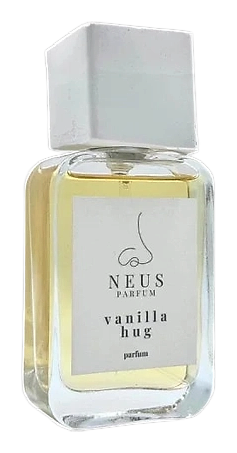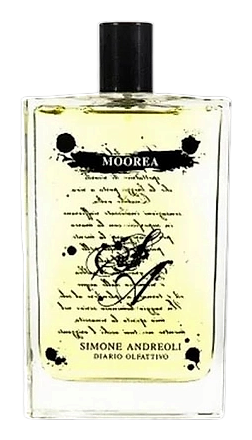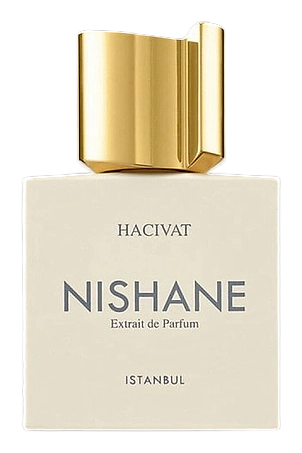
The Story
Why it exists.
The beginning
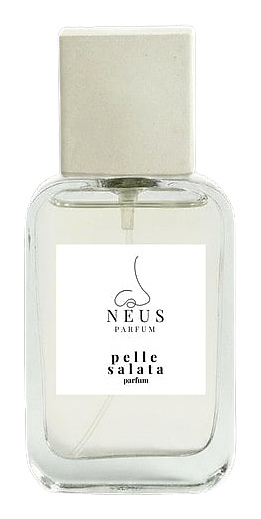
Released in 2023 by Neus Parfum, the scent was composed by perfumer Eugenio Parma as a study in coastal tactility. Not the romanticized postcard version of the shore, but the real thing: skin after seawater, sand still caught in fabric, leather darkened by sun and salt. The name itself suggests a confession of intent. Bergamot and seawater at the surface. Sand and seagrass beneath. Cedarwood, leather, and musk doing the long, slow work of making it stay on you like something earned rather than applied. A short pyramid by design. Every note pulls weight. The top is brisk and immediate, citrus meeting salt with none of the hesitation you get from compositions that try to please everyone at once. What follows is a middle phase that doesn't linger on prettiness.
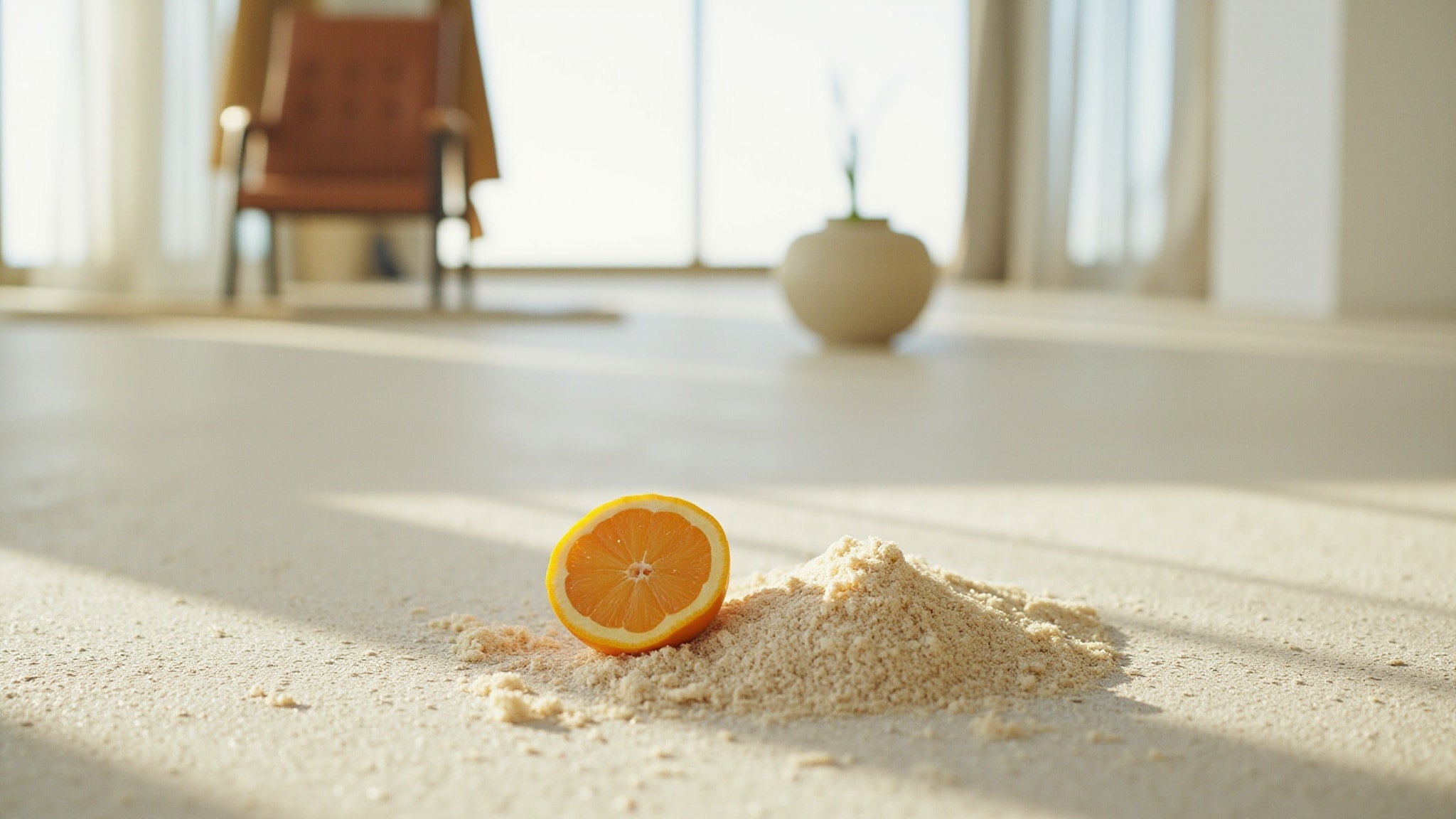
The sand note is the structural choice, not a decorative one. It gives the composition a mineral dryness that keeps the seawater from tipping into sweet or synthetic, and it preps the skin for a leather drydown that reads warm rather than animalic. Seagrass does what greenery often fails to do in marine compositions: it adds depth without adding sweetness. The sand carries an almost dusty quality, like fine grit worked into fabric, and it sits in the composition the way a real mineral element would rather than dissolving into the background.
The evolution
The first ten minutes belong to bergamot, but the seawater note arrives almost simultaneously, pulling the citrus into something cooler and less polite. The two notes meet in a way that reads less like a traditional citrus opening and more like wind moving across open water, brisk and slightly metallic. By the thirty-minute mark, the sand has settled in, and the composition shifts from fresh to mineral, the way skin changes after a swim. The bergamot recedes but doesn't disappear. It lingers as a faint brightness underneath the salt, keeping the top from feeling too austere. The heart phase is the quietest and most stubborn part: sand and seagrass doing their dry, slightly briny work without much fanfare. Don't expect fireworks here. Expect texture.
Cultural impact
Pelle Salata occupies a specific niche within marine and coastal fragrances, a category crowded with compositions chasing the same ozonic freshness. What sets this one apart is how it handles texture. Most marine releases lean on a narrow set of accords, calone, white musk, ambroxan, and aim for a clean, abstract water effect. Pelle Salata goes in a different direction. The sand note is what sets it apart: a material most aquatics treat as decorative, here doing structural work. It gives the composition a mineral dryness that most beach-coded fragrances skip entirely. The leather in the base adds another layer of differentiation.