





Heritage
A house, in its own words
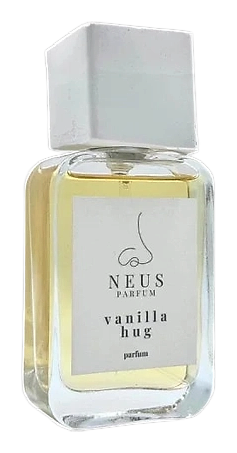
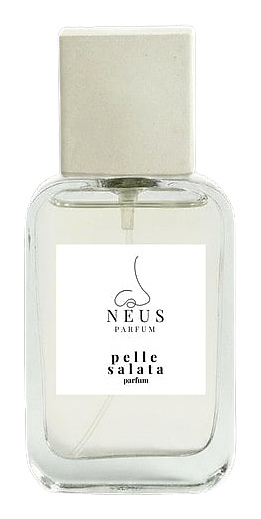
Neus Parfum emerged in Barcelona in 2020, when Neus (full name Neus Martínez) left a career in graphic design to pursue a lifelong fascination with scent. Early interviews on the brand’s website describe her decision as a response to the homogenisation she observed in mainstream perfumery. The first public offering, a limited‑edition fragrance called Radici, arrived in early 2021 and was distributed through a small network of independent boutiques. Radici’s reception highlighted the house’s commitment to ingredient transparency, noting the use of locally sourced rosemary and Tuscan lavender. In 2022 the brand opened a modest studio space on the El Born district, allowing customers to experience the creations in a tactile setting. That year also marked the launch of the first collaborative project with a Catalan ceramic studio, which produced the distinctive matte‑finished bottles now associated with the label. 2023 proved to be a prolific year; five new scents—Soffio, Valascia, Bright Spring, Vanilla Hug, and Kōdō—entered the catalogue, each accompanied by a short narrative that linked the olfactory experience to a specific season or memory. The brand’s growth attracted attention from niche‑fragrance publications, and a feature highlighted Neus Parfum’s “quiet expansion without compromising its artisanal ethos.” By 2024 the house announced a partnership with a sustainable glass manufacturer in Murano, reinforcing its dedication to environmentally responsible packaging. Throughout its short history, Neus Parfum has maintained a low‑key public profile, preferring word‑of‑mouth recommendations and curated pop‑up events over large‑scale advertising campaigns. Neus Parfum approaches scent as a form of quiet storytelling. The founder believes that a perfume should act as a personal bookmark, recalling a moment or place without demanding attention. This belief shapes the brand’s creative process: each brief begins with a concrete memory—an early morning walk along the Mediterranean, the scent of fresh‑cut hay in a Lombard field, the warmth of a vanilla‑infused kitchen. The house avoids the trend of over‑layered accords, instead opting for a limited palette of high‑purity ingredients that can speak clearly on their own. Sustainability informs the philosophy as well; Neus has publicly stated that the brand sources botanical extracts from farms that practice regenerative agriculture, and that synthetic aroma chemicals are employed only when they reduce overall environmental impact. Transparency is a core value: every fragrance page on the website lists the exact proportion of natural versus synthetic components, and the brand publishes annual reports on ingredient sourcing. Community engagement is subtle but intentional; the studio hosts quarterly scent‑workshops where participants learn to identify raw materials, reinforcing the idea that appreciation for perfume grows from education rather than hype. In interviews, Neus emphasizes that the house’s ultimate goal is to create “objects of scent that feel like an extension of the wearer’s own story, not a mask imposed from the outside.”