Eugenio Parma
Eugenio Parma wears two hats: pharmaceutical chemist and aromatist. He earned his degree in medicinal chemistry at a northern Italian university, then spent several years formulating active ingredients for health products. During that period he began experimenting with essential oils, treating each extraction as a precise experiment. By the early 2010s he opened a modest laboratory where he could blend raw materials without commercial constraints. The first public offering, Eclat Rose, captured critics' attention with its fresh, inky take on the classic bloom. Reviewers praised the scent’s clarity and the way it balanced synthetic precision with natural depth. Since that breakthrough, Parma has built a reputation for marrying scientific rigor with artistic intuition, inviting collectors to experience fragrance as both formula and feeling.
The hits
Notable creations
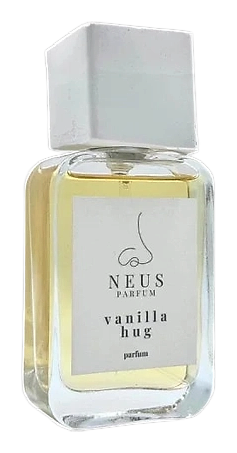
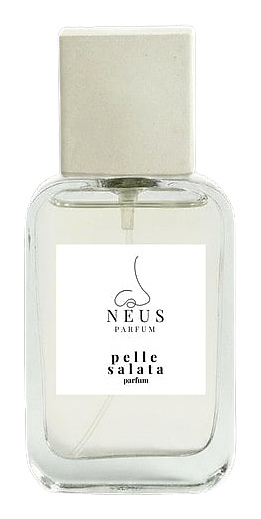
The signature
How Eugenio composes
Parma favors high‑purity isolates paired with carefully selected absolutes. He often begins with a crystalline base, such as a stabilized aldehyde or a synthetic musk, then introduces natural extracts that echo the base’s structure. Rose, citrus zest, and aromatic herbs appear frequently in his palettes, each treated with exacting ratios. He employs modern extraction methods—supercritical CO₂ and low‑temperature steam distillation—to preserve volatile nuances. Layering occurs in short, deliberate steps, allowing each addition to settle before the next, which yields a composition that feels both clean and complex.
Philosophy
What drives Eugenio
Parma believes that fragrance thrives when chemistry meets imagination. He treats each note as a molecule that can be measured, isolated, and recombined to reveal hidden facets. Rather than chasing trends, he follows the behavior of ingredients under controlled conditions, letting their intrinsic character guide the composition. He respects the provenance of raw materials, insisting that ethical sourcing and analytical purity form the backbone of every creation. For him, the act of blending is a dialogue between lab bench and memory, where precision amplifies emotion.
The houses