
The Story
Why it exists.
The beginning
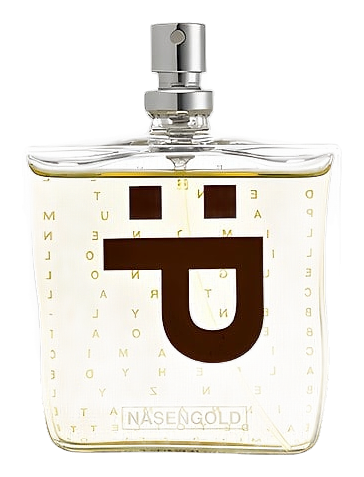
Christian Plesch named this fragrance :P, the tongue emoji, that little face you make when you're being cheeky. In 2013, the German perfumer was building Nasengold on a single premise: the industry talks too much. Its fragrances don't. :P arrived alongside #S and G. as part of the debut trio, each title a rejection of evocative copy and marketing language. The question mark isn't a mystery. It's an invitation. The composition itself is the answer.
What makes :P interesting isn't any single note, it's how the structure behaves. Most fragrances follow a simple arc: bright opening, floral heart, woody base. Here, the phases reframe each other. The pepper-coriander opening doesn't disappear into the jasmine, the jasmine arrives and suddenly the pepper reads differently. Warmer. The Palo Santo doesn't simply follow the floral, it changes what the floral means. Resinous materials like elemi and ambergris don't amplify the sweet notes. They extend the spicy ones into territory that reads as both animalic and mineral, like the smell of warmth on skin in a cool room.
The evolution
The opening hits immediately, Black pepper and pink pepper crackling, coriander giving it a slight herbal lift. Elemi adds a citrus-resin note that keeps the whole thing from feeling heavy. Thirty minutes in, the jasmine sambac arrives. Not sweet, creamy, with a green edge that plays against the remaining pepper. This is the phase that defines :P: spicy and floral talking, not taking turns. By hour two, the woody-resinous base takes over. Palo Santo leads, smoky and meditative. Iso E Super extends everything without announcing itself, you just notice the scent lasting longer, staying closer. The drydown is intimate: ambergris and resins holding on the skin through evening, the kind of wear that someone notices when you're close.
Cultural impact
:P arrived in 2013 as part of Nasengold's debut collection, a German indie house founded by Christian Plesch. The symbolic title choice, rejected by mainstream perfumery conventions, signaled a deliberate break from evocative marketing copy. The pepper-resin character positioned it among niche releases catering to enthusiasts seeking alternatives to commercial sillage. Its continued relevance in collector discussions reflects the house's enduring commitment to non-collaborative, self-released compositions.