The Story
Why it exists.
The beginning
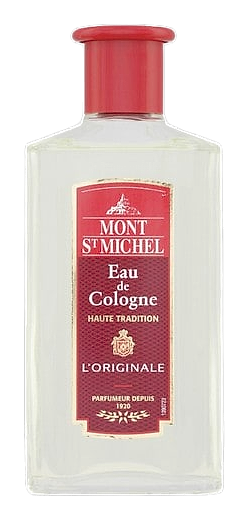
Eau de Cologne L'Originale arrived in 1920, a launch that would define the house's most enduring thread. It wasn't chasing landmarks or leaning on architectural grandiosity to justify its existence. It was chasing a feeling. The composition pulls from a tradition that valued restraint, letting individual botanicals carry the weight rather than burying them under heavy base architecture. L'Originale sits firmly in that lineage. A composition built on citrus, white floral, and warm wood, the scent unfolds with clarity at every stage, each material holding its own space in the formula without competing for dominance. The top notes open with a brisk confidence, the florals arrive to soften the edges, and the woods settle in like a closing sentence.
What's interesting here is what the fragrance refuses to do. The note list reads like a deliberate thesis: bergamot and bitter orange for brightness, rose and jasmine for softness, sandalwood and amber for warmth. Six materials, each given room to breathe. There's no rush to crowd the formula with extra voices or filler accords that muddy the central conversation. The white floral and citrus accord combination creates a natural lift, and L'Originale holds to that structure throughout.
The evolution
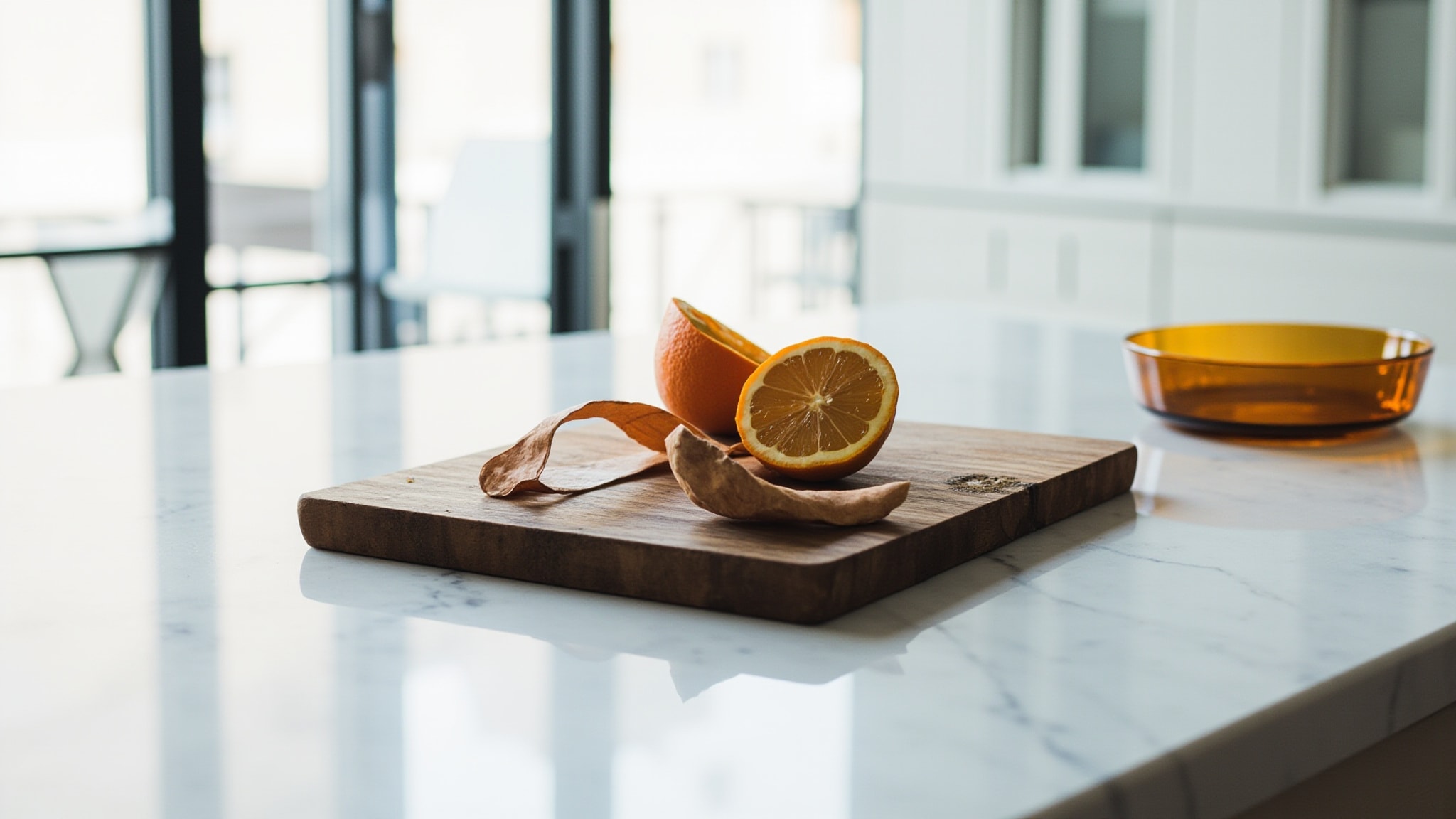
The first impression is all citrus. Bergamot leads, bright and slightly bitter, with bitter orange pushing alongside it like a second voice in the same sentence. There's a clean, almost translucent quality to the opening, the kind of clarity that makes you check your wrist to confirm something is actually there. Then the florals arrive, and they arrive together. Rose comes in first, warm and slightly powdery, followed by jasmine, which adds a creamier, almost indolic sweetness underneath. The shift from sharp to soft happens quickly, and it's the moment the fragrance stops feeling like a cologne and starts feeling like a perfume. Sandalwood grounds the heart with a dry, woody warmth that keeps the florals from floating away. By the later stages of wear, the amber has taken over. It doesn't smell heavy, just warm, like sun-heated wood at the end of a long day.
Cultural impact
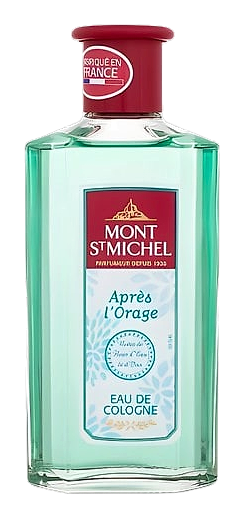
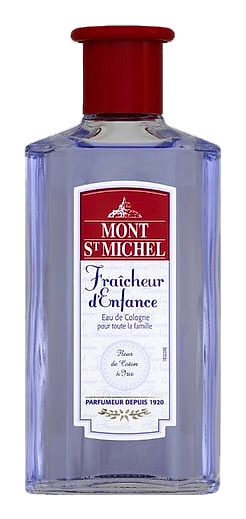
Eau de Cologne L'Originale has occupied a singular place in French perfumery since 1920, anchoring a catalog that extends well beyond a single release. It sits in a specific register: classical, clean, and uninterested in the cycle of trends that pushes most modern fragrances toward louder, denser compositions. The catalog includes names like Fraîcheur d'Enfance and Après l'Orage, all pointing to a brand that builds its identity around memory and weather rather than spectacle. These titles evoke moments and atmospheres, childhood freshness, the air after a storm, suggesting a house more interested in emotional resonance than commercial flash.