





Heritage
A house, in its own words
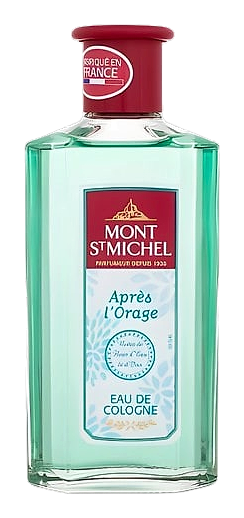
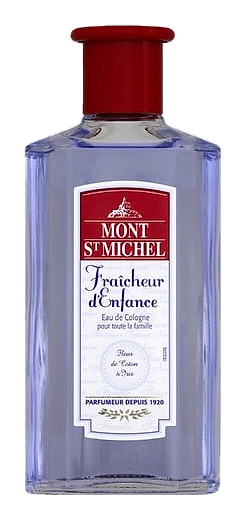
The Mont St Michel fragrance house was founded in 1920 in France, taking the famous Benedictine abbey and pilgrimage site as its namesake. The actual Mont-Saint-Michel itself has a far older story, with legend placing its origins in 708, when the archangel Michael reportedly appeared in dreams to Bishop Aubert of Avranches, instructing him to build a sanctuary on the rocky islet. Construction of the abbey spanned more than 500 years, from 1017 to 1521, according to regional historical accounts. The granite island rises roughly 80 meters above the surrounding bay, a feature the perfume brand references directly in its visual identity. By 1920, the perfume house Mont St Michel had begun producing colognes in Normandy, releasing its Eau de Cologne L'Originale that same year. The brand has continued operating for over a century, navigating multiple ownership eras while maintaining a catalog anchored in naturalistic French cologne traditions. While the perfume house and the abbey are separate entities, the brand's name and imagery consistently invoke the maritime landmark's centuries-long association with pilgrimage, herbal knowledge, and devotional craft. Mont St Michel's creative vision centers on translating the sensory character of the Normandy countryside into wearable fragrance. The house gravitates toward themes drawn directly from the natural environment: fig trees, cherry trees in bloom, neroli petals, the charged stillness after a storm. Rather than chasing complex architectural compositions, the brand favors a cologne-style clarity that lets individual botanical notes speak for themselves. The catalog's names, including Fraîcheur d'Enfance, Jardin Merveilleux, and Après l'Orage, point to a worldview rooted in memory, weather, and cultivated gardens rather than abstract luxury. This approach positions the brand closer to the historic French tradition of herbal and citrus colognes than to modern oriental perfumery. The house appears to value continuity over reinvention, refreshing its core lineup while occasionally introducing new compositions that stay within the same pastoral vocabulary.