The Story
Why it exists.
The beginning
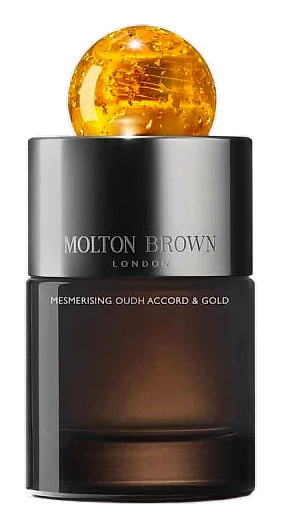
Molton Brown, founded in 1971 on London's South Molton Street, began as a modest hair salon before evolving into a fragrance house that prizes unexpected pairings and bold sensory statements. The brand's commitment to tactile, distinctive scents aligns with Fresh Bushukan Citrus Splash's citrus-forward construction, which uses bergamot and elemi resin to deliver brightness with an herbal counterpoint. This fragrance embodies the Molton Brown philosophy of combining familiar materials in unfamiliar configurations.
The pairing of bergamot with clary sage reflects a deliberate choice to add herbal complexity to citrus, avoiding the trap of straightforward freshness. Elemi resin serves as a bridge, its slightly citrusy, resinous character connecting the opening to the heart. Black pepper and tolu balsam create an unexpected warmth in the heart that elevates the fragrance beyond a simple citrus cologne. The drydown's cedarwood, patchouli, and vetiver provide lasting presence without heaviness, ensuring the fragrance remains sophisticated through its final hours.
The evolution
The fragrance opens with bergamot's citrus radiance immediately capturing attention, soon joined by clary sage's herbal nuance and elemi resin's subtle warmth. As the initial burst settles, black pepper asserts itself as the heart's primary voice, its dry spice cutting through the citrus backdrop with confident presence. Tolu balsam weaves throughout the heart, providing a sweet resinous counterweight that prevents the pepper from becoming harsh. The drydown marks a decisive shift to woody territory, where cedarwood takes center stage, supported by patchouli's earthy depth and vetiver's smoky finish. The progression moves deliberately from brightness through complexity to grounded stillness.
Cultural impact
Since its introduction in the mid‑2000s, Fresh Bushukan Citrus Splash has become a reference point for modern citrus‑spice blends, influencing a wave of gender‑neutral scents that balance bright top notes with warm, earthy undertones. Its approachable profile helped broaden the appeal of niche citrus fragrances beyond traditional perfume enthusiasts, encouraging retailers to allocate dedicated shelf space for similar compositions. The scent’s popularity in urban markets also sparked collaborations with lifestyle brands seeking a fresh, energetic olfactory signature for limited‑edition collections, reinforcing the trend of integrating fragrance into broader cultural experiences such as music festivals and art installations.