The Story
Why it exists.
The beginning
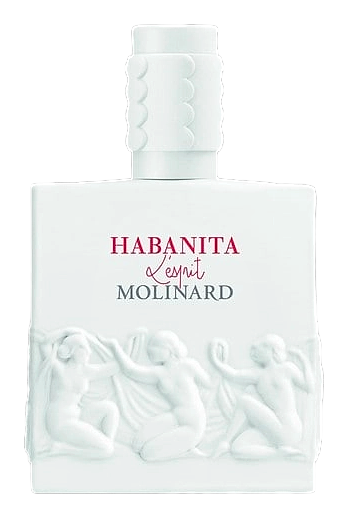
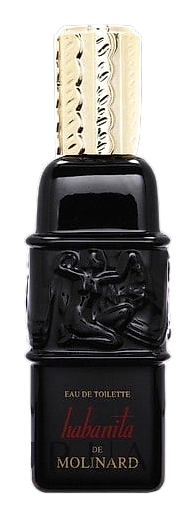
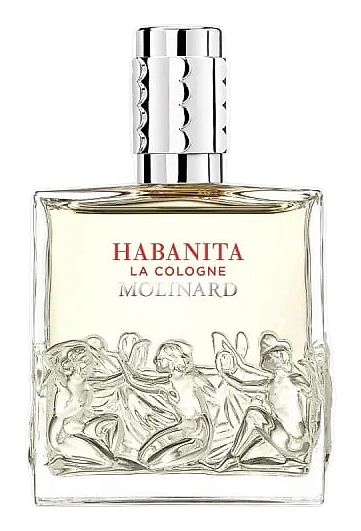
The Habanita collection is where Molinard gets audacious. The original Habanita, launched in 2012, was a statement, oriental, powdery, unapologetically bold. Habanita La arrived in 2016 as its counterpoint: same character, different register. A cologne that refuses to be safe. The brief was simple on paper, translate Habanita's spirit into something fresher. In practice, that meant finding the tension between brightness and depth, between citrus and chypre. The result doesn't water down what came before. It continues the conversation.
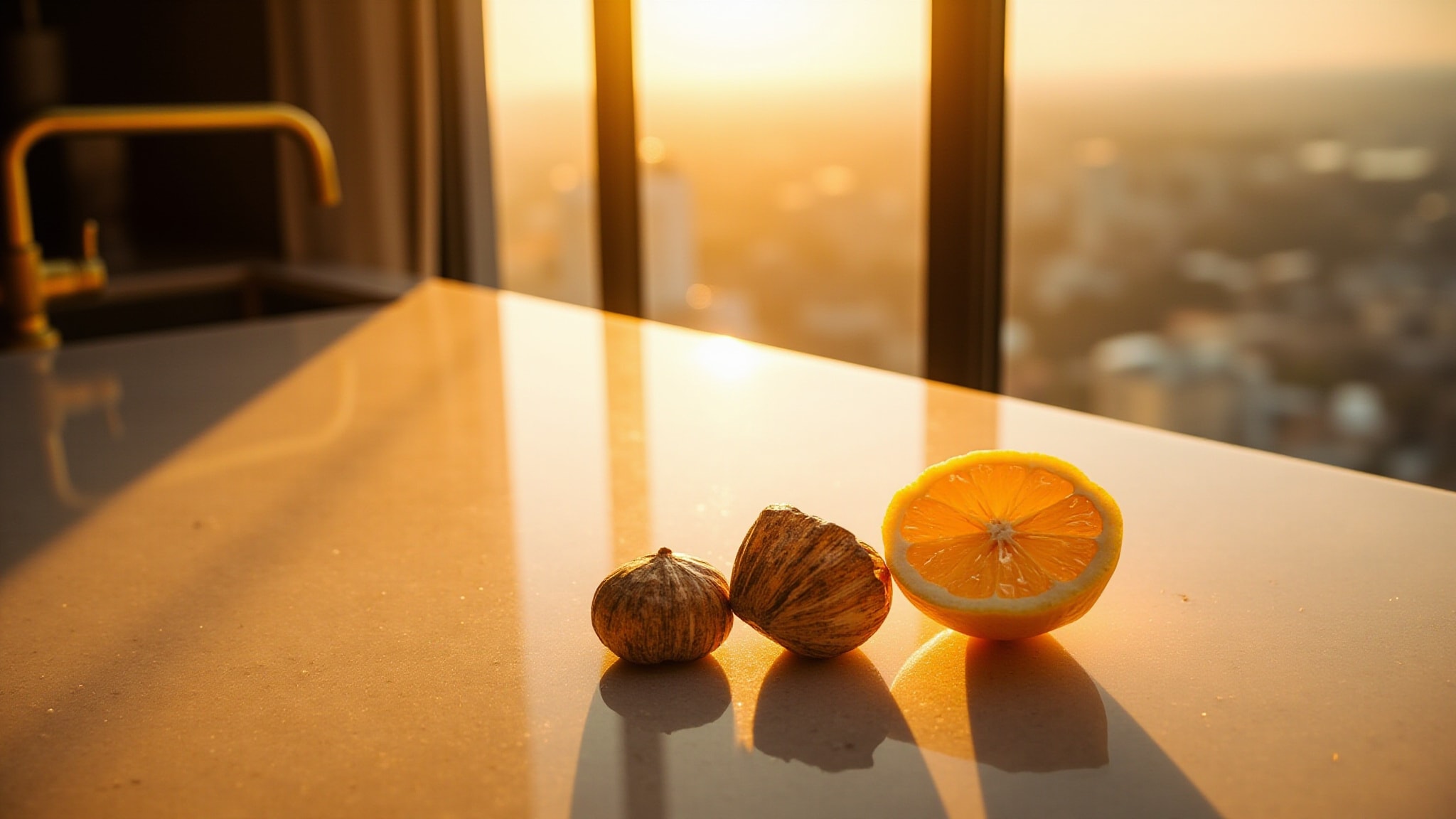
What makes Habanita La interesting isn't just the lemon-nutmeg opening, though that certainly announces itself. It's the oakmoss in the base, a material that's becoming rare in modern perfumery due to IFRA restrictions, but one that gives this cologne a structural backbone most fresh fragrances lack. Combined with vetiver and cedarwood, the drydown doesn't simply trail off. It settles. It lingers. The ylang-ylang in the heart bridges the sharp opening and the earthy base, adding a tropical sweetness that keeps the whole thing from feeling austere. This is a cologne that remembers it was once a category full of character.
The evolution
The opening hits sharp. Nutmeg and lemon arrive together, the citrus bright and insistent, the spice adding warmth underneath. Within minutes the ylang-ylang enters, its tropical sweetness softening the edges without losing momentum. The rose follows, quieter, lending a powdery softness that shifts the energy from assertive to something more intimate. Cedar and vetiver take over by the hour mark, pulling the brightness down into something earthy, grounded. The oakmoss is the tell, it anchors everything that came before, giving the drydown a classic chypre quality that lingers closest to the skin. Lasting 8-10 hours on most skin types, Habanita La doesn't disappear quietly. It remembers itself long after you've stopped paying attention.
Cultural impact
Released in 2016 as part of the Habanita collection, Habanita La challenged what a cologne could be. While the market leaned into safe, inoffensive fresh fragrances, Molinard offered something different, citrus with structure, brightness with a past. The oakmoss in the base gave it a chypre quality that set it apart from the usual bergamot-and-ambroxan compositions flooding the category.