The Story
Why it exists.
The beginning
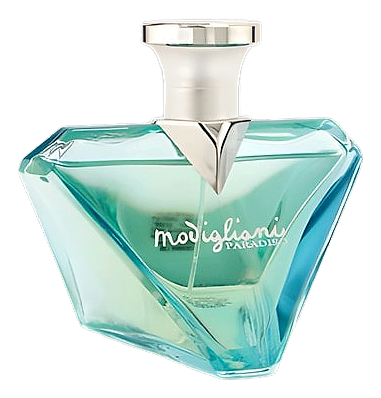
Paradiso arrived in 1997 carrying a question that felt almost rhetorical: what does an uncomplicated bliss smell like when you strip away the ornament? The composition reads as an answer built on restraint, an olfactory argument for emotional directness over decorative complexity. Just three categories of notes. Water, wood, bloom. No excess weight, no spice trickery, no gourmand warmth to soften the edges. The structure is bare, almost austere, and that austerity is the point. Each category is given room to speak without interference from the others, and the silences between them matter as much as the notes themselves. The water note opens with mineral clarity, cold and immediate, like a stone pulled from a clear stream.
The composition behind Paradiso operates on the principle that a scent can be built from very few elements and still feel complete, even generous. Three note categories, each given a specific role in the structure. The water notes carry the opening, mineral-edged and cool, reading less like a literal ocean and more like the smooth surface of a river stone held just beneath the waterline. That wet clarity persists into the first stretch of wear, setting a temperature that the rest of the fragrance inherits. When the florals arrive, they do so without the heaviness of a traditional bouquet.
The evolution
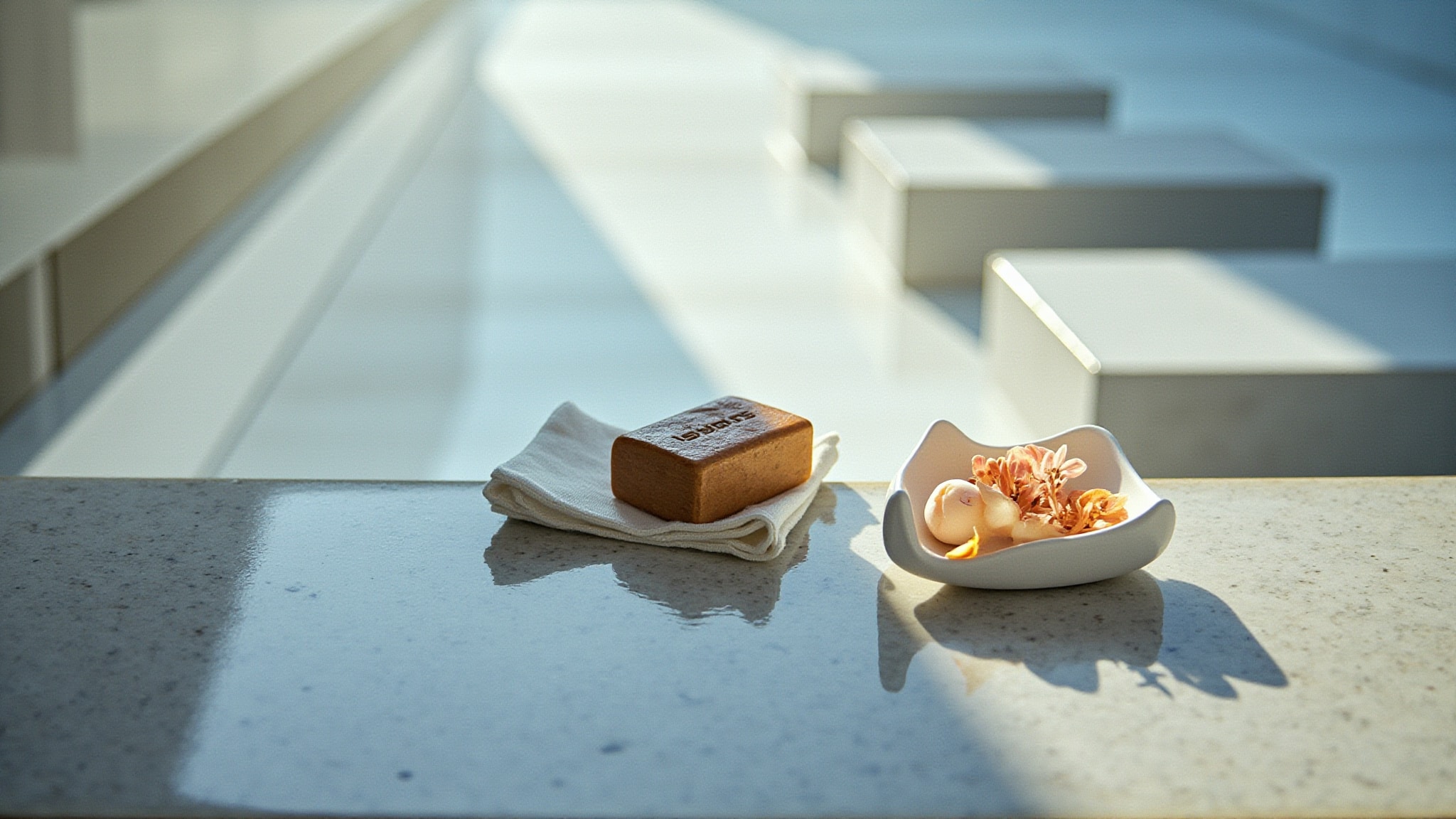
The scent begins like stepping into light. Water notes, mineral-edged and cool, read more like a smooth river stone held underwater than any literal ocean. That wet clarity carries through the opening phase, lifting whatever mood you're already wearing it into. The coolness has a tactile quality to it, almost architectural, the way a fountain sounds in a quiet courtyard. As the composition moves forward, the florals arrive and they do so with restraint. They don't announce themselves with jasmine's heft or rose's weight. Instead, the heart phase reads as petals resting on that surface tension. There's a paper-white quality, the kind of flower that exists between bloom and shadow, pale enough to seem almost colorless at times. The transition from cool to floral happens without a clear seam, the water note simply thinning out as the petals take its place.
Cultural impact
Paradiso entered the fragrance landscape in 1997, and its approach felt quietly out of step with the dominant trends of the moment. The late 1990s leaned heavily into gourmand sweetness, into heavy orientals, into compositions that built their presence through sheer volume of material. Paradiso did the opposite. Three note categories, no spice warmth, no gourmand softening, just water, bloom, and wood handled with a restraint that felt almost radical for the period. The scent found its audience among wearers who had grown tired of maximalism, who wanted something that felt clean and architectural rather than indulgent.