

Heritage
A house, in its own words
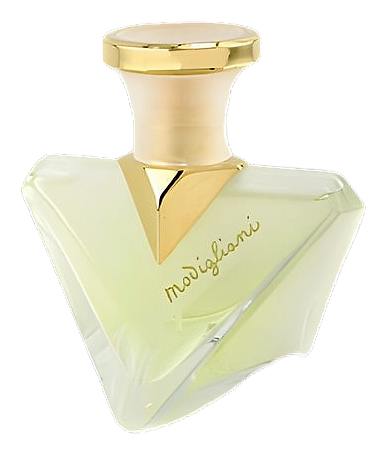
Modigliani emerged in 1994 as part of a wave of niche European fragrance houses launching concentrated artistic scents during the early 1990s. The house chose the name of the Italian painter Amedeo Modigliani (1884 to 1920), whose time in Paris placed him at the heart of the early modernist circle that included Picasso, Brancusi, and Beatrice Hastings. By borrowing that legacy, the brand aligned itself with the bohemian Paris of the Belle Époque and early avant-garde, a period long associated with artistic freedom and sensory experimentation. The brand's debut year, 1994, produced its complete foundational catalog: Modigliani Eau de Toilette, Paradiso, and Supreme. No subsequent additions are documented in the major fragrance databases. This single-year, three-scent strategy suggests a deliberate concept launch rather than continuous commercial expansion, positioning the house closer to artistic perfumery houses of the era than to high-volume distribution brands. Information about Modigliani's founders, exact city of origin, and corporate history remains sparse in independent sources. The brand does not appear in mainstream industry coverage from the major fragrance publications, and its existence is primarily documented through collector databases and enthusiast retrospectives. This scarcity has, paradoxically, contributed to its cult reputation. Modigliani appears to operate under an artistic rather than commercial philosophy, evident in the decision to release its complete catalog in a single year and resist subsequent expansion. The naming itself reflects this orientation: invoking a painter known for stripping portraiture down to essentials of line and emotion suggests a commitment to emotional directness over decorative complexity. The olfactory signatures of the trio, particularly the opening combination of vanilla, lavender, and cinnamon in the flagship Modigliani Eau de Toilette, point to a classical European approach favoring warmth, comfort, and immediate sensory recognition rather than abstract or conceptual compositions. This positions the house closer to the tradition of Italian and French artisanal perfumery than to the minimalist or molecular movements that gained traction later. Because the brand maintains limited public presence, its stated values must be inferred from the work itself. The consistency of the 1994 vision, never diluted by reissues or reformulations visible in collector records, suggests a philosophy of artistic permanence: the belief that a fragrance, like a painting, is a completed statement rather than an evolving product.