The Story
Why it exists.
The beginning
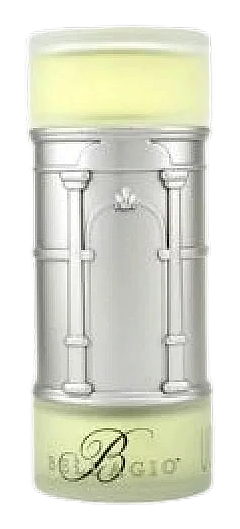
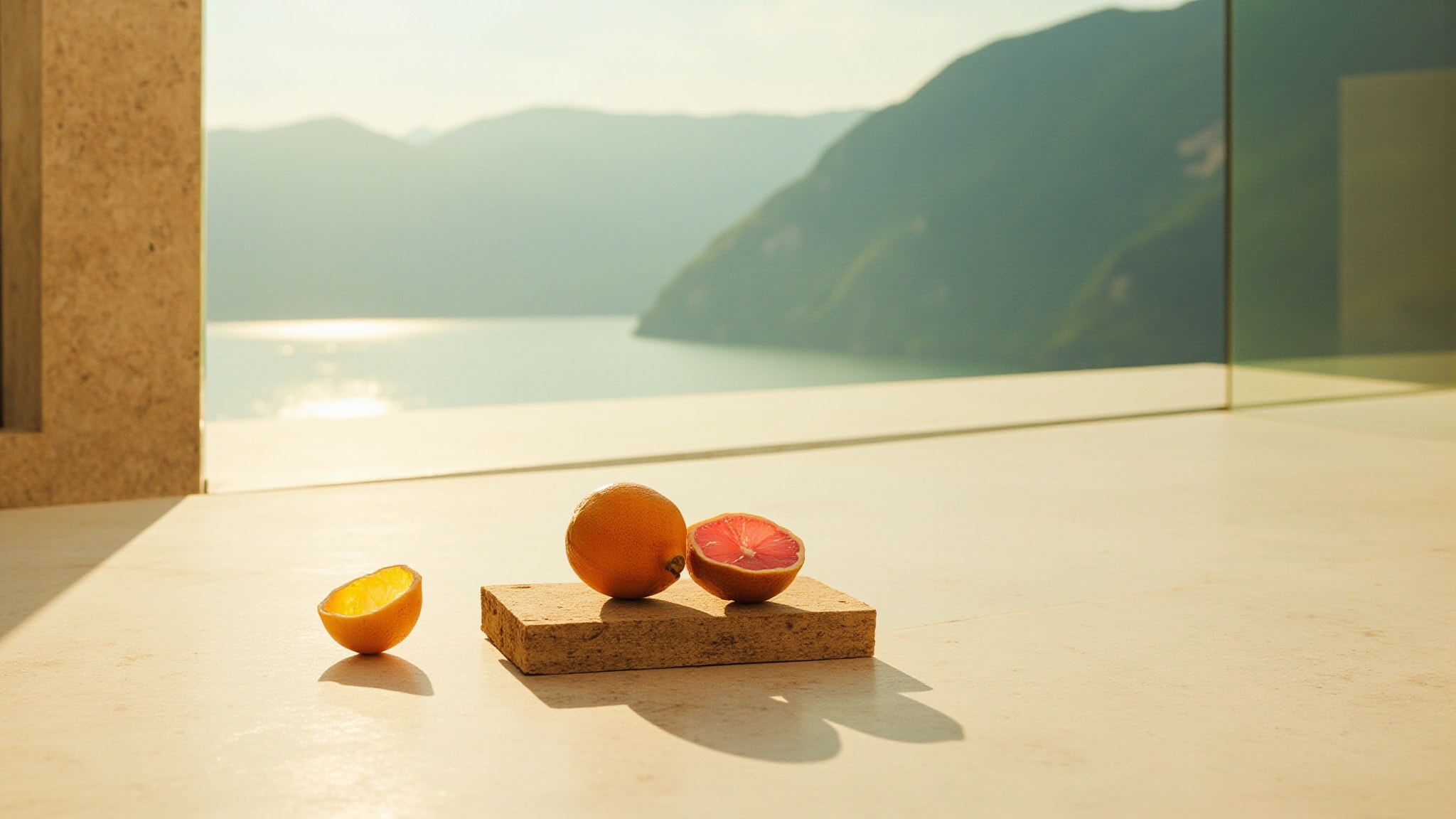
Bellagio Uomo draws its name from the small lakeside town on Lake Como, where the water catches morning light and the hills drop straight into it. Micaelangelo built a small collection around Italian imagery, classical, geographical, mythological, and Bellagio Uomo is the masculine chapter of that story. The lake is the reference: still, clear, surrounded by steep green and old stone.
What makes Bellagio Uomo interesting is its structure, a citrus aquatic opening that most houses have done, followed by a heart that adds warm spice. Nutmeg, black pepper, and cardamom don't typically live alongside yuzu and pink grapefruit, but here they slide in quietly rather than announcing themselves. It's the kind of pyramid that rewards attention rather than making demands. The contrast between that crisp top and the warm woody base is where the fragrance actually lives.
The evolution
The opening hits bright and clean, yuzu and pink grapefruit, a rush of sharp citrus that smells like air moving over water. Thirty minutes in, the heart begins to show. Nutmeg first, then black pepper, then cardamom arriving as a slow warmth that softens the citrus without replacing it. The spiced heart carries for roughly two to three hours, the interplay of cool and warm becoming the whole story. Then sandalwood takes over, followed by cedar and a clean musk that settles close to the skin. By the end, the fragrance has gone from clear and crisp to something warmer and more intimate, the aquatic impression replaced by smooth wood and skin-warm musk that lingers without projecting.
Cultural impact
Bellagio Uomo occupies a specific moment in masculine fragrance history, the early 2000s, when aquatic-citrus compositions were the default for approachable men's scent and Italian-named houses were finding their footing in niche perfumery. Wearers have noted its similarity to L'Eau d'Issey Pour Homme at a fraction of the cost, which says something about its intent: accessible Italian elegance rather than exclusive complexity. The warm spice heart sets it apart from the typical aquatic template, giving it a point of view that was less common in 2000 and remains less common now.