





Heritage
A house, in its own words
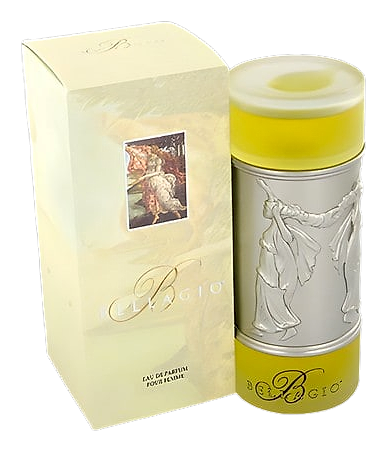
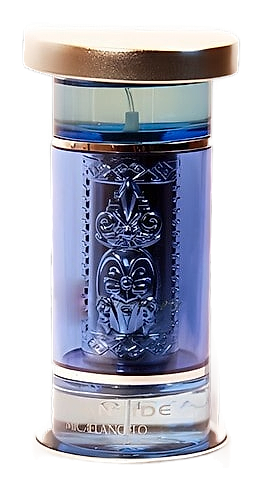
The origins of Micaelangelo as a fragrance house remain largely undocumented in available third-party sources, making precise details about its founding elusive. The brand's very name, Micaelangelo, signals an intentional connection to Italian Renaissance heritage, invoking Michelangelo Buonarroti (1475-1564), whose artistic legacy shaped Florentine and Roman cultural identity. This naming strategy places the house within a tradition of fragrance brands that reference Italian artistic heritage, much like older houses such as Santa Maria Novella (established 1221) draw on Florence's historical perfume-making lineage. The earliest documented fragrances from Micaelangelo appeared around 2000, including Bellagio, Atlantide, and Bellagio Uomo, followed by additional releases in 2001 such as Aurora Aria, Aurora Fuoco, Aurora Acqua, and Aurora Terra. The house's Aurora collection alone contained at least four flankers, suggesting a structured approach to fragrance development. Whether the brand continues to operate today cannot be confirmed through available sources. Micaelangelo's creative vision, as inferable from its fragrance names and collection structure, appears rooted in celebrating Italian cultural imagery. The Bellagio collection (featuring Bellagio, Bellagio Glamour, and Bellagio Uomo) takes its name from the lakeside town on Lake Como, a destination synonymous with Italian elegance and natural beauty. The Sibilla range references the Sibyls, priestesses from Greco-Roman antiquity who delivered prophetic utterances, suggesting an interest in classical mythology. The Aurora family honors the Roman goddess of dawn, a figure deeply embedded in Western cultural consciousness. Atlantide points toward mythological territory, perhaps referencing the legendary submerged civilization or drawing from Italian geographical associations with the Atlantic. The house seems to approach perfumery as a vehicle for cultural storytelling, translating Italian landscapes, myths, and historical figures into olfactory experiences. This methodology aligns with broader trends in niche perfumery during the late 1990s and early 2000s, when fragrance houses increasingly looked beyond conventional florals toward narrative-driven scent concepts.